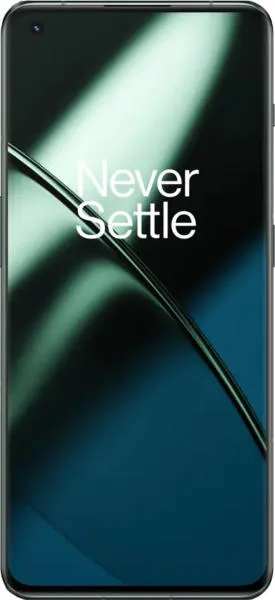
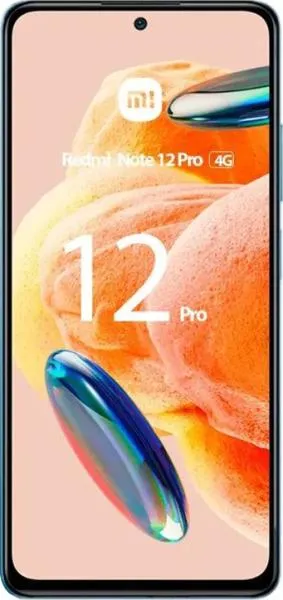
OnePlus 11 vs. Xiaomi Redmi Note 12 Pro 4G: A Deep Dive
Let's dissect the OnePlus 11 and Xiaomi Redmi Note 12 Pro 4G, two compelling contenders in the mid-range smartphone arena. We'll go beyond the spec sheet, translating technical jargon into real-world experiences to help you decide which phone fits your needs.
1. Specifications Breakdown
| Feature | OnePlus 11 | Xiaomi Redmi Note 12 Pro 4G | Real-World Implications |
|---|---|---|---|
| Design | Height: 163.1mm Width: 74.1mm Depth: 8.5mm Weight: 205g | Height: 162.9mm Width: 76mm Depth: 7.9mm Weight: 188g | OnePlus 11 feels slightly more premium due to its build materials and design language, though both phones are similar in size. |
| Display | 6.7" LTPO3 AMOLED, 120Hz, 1440 x 3216 px, 525 ppi, HDR10+, Dolby Vision | 6.67" AMOLED, 120Hz, 1080 x 2400 px, 395 ppi, Dolby Vision | OnePlus 11 boasts a sharper, more vibrant display with smoother scrolling and adaptive refresh rate for better battery life. Redmi Note 12 Pro's display is still excellent for media consumption. |
| Performance | Snapdragon 8 Gen 2, Octa-core (up to 3.2 GHz), Adreno 740, 8/12/16GB RAM | Snapdragon 732G, Octa-core (up to 2.3 GHz), Adreno 618, 6/8GB RAM | OnePlus 11 offers significantly faster processing, smoother multitasking, and superior gaming capabilities. Redmi Note 12 Pro handles everyday tasks well but lags behind in demanding applications. |
| Camera | 50MP Main (Sony IMX890), 48MP Ultrawide (Sony IMX581), 32MP Telephoto (Sony IMX709), 16MP Selfie | 108MP Main (Samsung HM2), 8MP Ultrawide, 2MP Depth, 5MP Macro, 16MP Selfie | OnePlus 11 delivers consistently better image quality across all lenses, especially in low light, thanks to superior sensor and processing. Redmi Note 12 Pro's 108MP main camera captures detailed shots in good light but struggles in challenging conditions. |
| Battery Life | 5000 mAh, Fast Charging | 5000 mAh, 67W Fast Charging | Both phones offer excellent battery life. Redmi Note 12 Pro might charge slightly faster due to its higher wattage charging, but real-world charging times can vary. |
2. Key Insights
- Performance Champion: The OnePlus 11, powered by the flagship Snapdragon 8 Gen 2, is a performance powerhouse. It handles demanding tasks, gaming, and multitasking with ease. The Redmi Note 12 Pro, with its Snapdragon 732G, is competent for everyday use but not in the same league.
- Visual Feast: The OnePlus 11's LTPO3 AMOLED display is stunning. Higher resolution, smoother scrolling, and vibrant colors make it a clear winner for media consumption and gaming. The Redmi Note 12 Pro's AMOLED display is still good but lacks the OnePlus 11's sharpness and adaptive refresh rate.
- Camera Prowess: OnePlus 11's triple camera system, featuring high-quality Sony sensors, captures exceptional photos and videos. The Redmi Note 12 Pro's 108MP sensor can produce detailed images in good light but falls short in low-light situations and overall consistency.
3. User Profiles and Recommendations
- OnePlus 11: Ideal for power users, gamers, photographers, and videographers who demand top-tier performance, a brilliant display, and a capable camera system.
- Redmi Note 12 Pro 4G: Suitable for budget-conscious users who prioritize battery life, a decent display, and good camera performance in daylight conditions. Ideal for social media, web browsing, and casual photography.
4. Buying Decision Framework
- What's your budget? The OnePlus 11 is more expensive. If budget is a major constraint, the Redmi Note 12 Pro 4G offers excellent value.
- What are your performance needs? If you need a phone for demanding tasks and gaming, the OnePlus 11 is the clear choice. For everyday use, the Redmi Note 12 Pro 4G is sufficient.
- How important is camera quality? The OnePlus 11 has a significantly better camera system, especially in low-light conditions. If photography is a priority, the OnePlus 11 is worth the investment.
My Choice: As Alex Griffin, I'd choose the OnePlus 11. While the Redmi Note 12 Pro 4G offers great value, I prioritize a smooth, powerful user experience, a stunning display, and a consistently excellent camera. The OnePlus 11's superior performance, vibrant LTPO display, and advanced camera system align perfectly with my needs as a tech enthusiast and content creator. The investment in the Snapdragon 8 Gen 2 future-proofs the device, ensuring a lag-free experience for years to come. The slightly higher price is justified by the significant jump in overall quality and performance. While battery capacity is similar on both devices, the OnePlus 11's optimized OxygenOS and LTPO display contribute to efficient power consumption, addressing any potential concerns about battery life differences.
