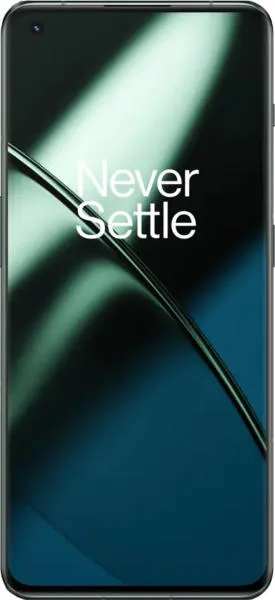
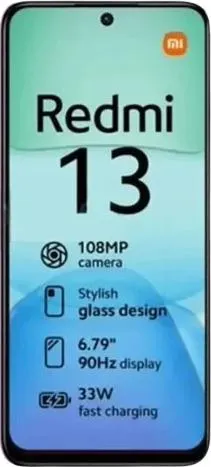
OnePlus 11 vs. Xiaomi Redmi 13: A Deep Dive for the Discerning Smartphone User
The smartphone market is a battlefield, and two contenders vying for your attention are the OnePlus 11 and the Xiaomi Redmi 13. While both offer compelling features, understanding their nuances is crucial. Let's dissect these devices, translating their spec sheets into real-world experiences.
1. Specifications Breakdown
| Feature | OnePlus 11 | Xiaomi Redmi 13 | Real-World Implications |
|---|---|---|---|
| Design | |||
| Dimensions (mm) | 163.1 x 74.1 x 8.5 | 168.6 x 76.3 x 8.3 | OnePlus 11 is slightly more compact. |
| Weight (g) | 205 | 205 | Identical weight; in-hand feel will depend more on weight distribution and materials. |
| Display | |||
| Display Type | 6.7" LTPO3 AMOLED, 120Hz | 6.79" IPS LCD, 90Hz | OnePlus: Superior color accuracy, deeper blacks, smoother scrolling, power efficiency. Redmi: Wider viewing angles potentially. |
| Resolution | 1440 x 3216 | 1080 x 2460 | OnePlus: Sharper, more detailed visuals. Redmi: Good clarity, less demanding on battery. |
| Performance | |||
| Chipset | Snapdragon 8 Gen 2 (4nm) | Helio G91 Ultra (12nm) | OnePlus: Significantly faster processing, better gaming, smoother multitasking. Redmi: Adequate for daily tasks. |
| CPU | Octa-core (up to 3.2 GHz) | Octa-core (up to 2.0 GHz) | OnePlus: Superior performance in demanding applications and games. |
| GPU | Adreno 740 | Mali-G52 MC2 | OnePlus: Much more powerful graphics rendering, ideal for gaming and graphically intensive apps. |
| RAM | 8/12/16GB | 6/8GB | OnePlus offers more RAM options for smoother multitasking. |
| Camera | |||
| Main Camera | 50MP Sony IMX890 | 108MP ISOCELL | OnePlus: Focuses on image quality over megapixel count. Redmi: High megapixel count for larger prints. |
| Ultrawide | 48MP Sony IMX581 | N/A | OnePlus has a dedicated ultrawide lens. |
| Telephoto | 32MP Sony IMX709 | N/A | OnePlus offers optical zoom capability. |
| Battery Life | |||
| Capacity | 5000 mAh | 5030 mAh | Redmi has slightly larger battery capacity, but real-world battery life depends on usage and optimization. |
2. Key Insights
Performance: The OnePlus 11, powered by the Snapdragon 8 Gen 2, is a performance powerhouse. The Redmi 13's Helio G91 Ultra is competent for everyday tasks, but pales in comparison for demanding applications or gaming.
Display: The OnePlus 11's LTPO3 AMOLED display offers vibrant colors, deep blacks, and a buttery smooth 120Hz refresh rate. The Redmi 13's 90Hz IPS LCD is decent but lacks the visual punch and adaptive refresh rate technology of the OnePlus.
Camera: While the Redmi 13 boasts a 108MP main sensor, megapixels don't tell the whole story. The OnePlus 11 utilizes high-quality Sony sensors and features a more versatile triple-camera system with ultrawide and telephoto lenses.
Price: The Redmi 13 sits firmly in the budget segment, while the OnePlus 11 commands a higher price, reflecting its premium features.
3. User Profiles and Recommendations
OnePlus 11: For power users, gamers, photography enthusiasts, and those who demand the best display technology, the OnePlus 11 is a clear winner. It's an investment in a premium experience.
Redmi 13: Budget-conscious users who prioritize basic functionality, long battery life, and a large screen will find the Redmi 13 a compelling option. It's ideal for everyday tasks like browsing, social media, and casual photography.
4. Buying Decision Framework
- What's your budget? If price is a primary concern, the Redmi 13 is the more affordable option.
- What are your performance needs? Heavy multitasking, gaming, and demanding apps require the power of the OnePlus 11.
- How important is display quality? For the best visual experience, the OnePlus 11's AMOLED display is superior.
My Choice: The OnePlus 11
While the Redmi 13 offers excellent value for its price, I would choose the OnePlus 11. As a tech journalist, I demand top-tier performance and a fluid user experience. The Snapdragon 8 Gen 2, combined with the stunning AMOLED display and versatile camera system, creates a device that can handle anything I throw at it. The premium build and refined software further solidify my choice. While the price is higher, the long-term value proposition of the OnePlus 11, with its superior performance and longevity, makes it a worthwhile investment for my needs. I appreciate the responsiveness, the vibrant visuals, and the overall polished experience that a flagship device like the OnePlus 11 provides.
