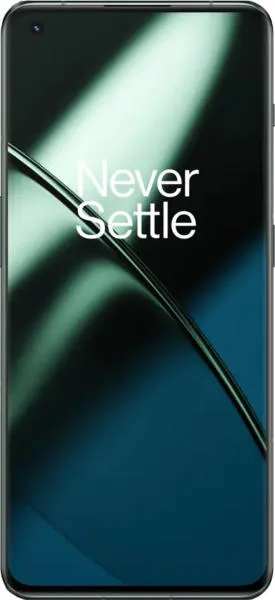
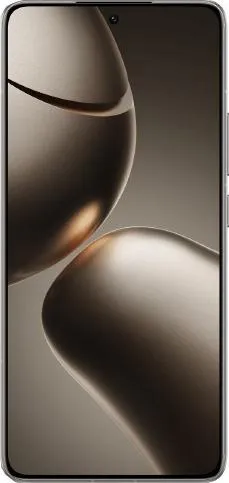
OnePlus 11 vs. Xiaomi 14T Pro: A Deep Dive for the Discerning Smartphone User
The smartphone landscape is constantly evolving, with new contenders vying for your attention. Today, we'll dissect two compelling devices: the OnePlus 11 and the Xiaomi 14T Pro. Both offer enticing features and powerful performance, but which one reigns supreme? Let's delve into a comprehensive analysis to uncover the nuances and help you make an informed decision.
1. Specifications Breakdown
| Feature | OnePlus 11 | Xiaomi 14T Pro | Real-World Implications |
|---|---|---|---|
| Design | |||
| Dimensions (mm) | 163.1 x 74.1 x 8.5 | 160.4 x 75.1 x 8.4 | Xiaomi 14T Pro is slightly more compact. Negligible difference in daily use. |
| Weight (g) | 205 | 209 | Virtually identical; both feel substantial in hand. |
| Display | |||
| Size (inches) | 6.7 | 6.67 | Negligible difference in screen real estate. |
| Resolution (px) | 1440 x 3216 | 1220 x 2712 | OnePlus 11 boasts a sharper display with higher pixel density (525 ppi vs. 446 ppi), resulting in crisper text and images. |
| Refresh Rate (Hz) | 120 (LTPO3) | 144 | Xiaomi 14T Pro offers a higher refresh rate for smoother animations and scrolling, though OnePlus 11's LTPO3 allows for dynamic adjustment to conserve battery. |
| Peak Brightness (nits) | 1300 | 4000 | Xiaomi 14T Pro offers significantly higher peak brightness for improved outdoor visibility. |
| Performance | |||
| Chipset | Snapdragon 8 Gen 2 | Dimensity 9300+ | Both are flagship-level chipsets promising excellent performance, but benchmark comparisons will reveal the true winner. Snapdragon 8 Gen 2 generally holds an edge in GPU performance. |
| CPU | Octa-core (3.2 GHz X3...) | Octa-core (3.4 GHz X4...) | Both offer powerful multi-core performance. Clock speed differences don't directly translate to real-world speed due to architectural variations; user experience will be similar in most tasks. |
| RAM (GB) | 8/12/16 | 12 | Xiaomi 14T Pro offers more RAM in its base configuration, beneficial for heavy multitasking. |
| Camera | |||
| Main Sensor (MP) | 50 (Sony IMX890) | 50 (OmniVision OV98A) | Both feature high-resolution sensors, but image quality depends on processing and lens quality. Real-world camera comparisons are crucial. |
| Telephoto (MP) | 32 (Sony IMX709) | 50 (Samsung S5KJN1) | Xiaomi 14T Pro has a higher resolution telephoto lens potentially offering better zoom capabilities. |
| Battery Life | |||
| Capacity (mAh) | 5000 | 5000 | Identical battery capacity; actual battery life will depend on software optimization and usage patterns. |
2. Key Insights
Display Delight: The OnePlus 11 prioritizes sharpness with its higher resolution display, while the Xiaomi 14T Pro excels in refresh rate and brightness, making it ideal for gaming and outdoor use.
Performance Powerhouse: Both phones pack a punch with powerful chipsets, but the Snapdragon 8 Gen 2 in the OnePlus 11 generally edges out in graphics performance. Xiaomi 14T Pro compensates with a higher base RAM.
Camera Contest: On paper, both phones offer compelling camera systems. Real-world image comparisons will be crucial to determine the winner in various scenarios, particularly in low light and zoom performance.
3. User Profiles and Recommendations
OnePlus 11: Ideal for users who prioritize a sharp, vibrant display and slightly better GPU performance. Content consumers, photographers who value detail, and those seeking a balanced experience would find this appealing.
Xiaomi 14T Pro: Best suited for gamers, power users who demand high refresh rates and ample RAM, and those who frequently use their phones outdoors thanks to the exceptional brightness.
4. Buying Decision Framework
- What are your display priorities? Sharpness and detail (OnePlus 11) or smoothness and brightness (Xiaomi 14T Pro)?
- How important is raw performance and RAM? If you're a heavy multitasker or gamer, the Xiaomi 14T Pro's higher RAM could be advantageous. For slightly better GPU performance, lean towards OnePlus 11.
- What's your budget? Consider the price difference between the two models and the value they offer for your specific needs.
My Choice: As Alex Griffin, I'd choose the OnePlus 11. While the Xiaomi 14T Pro boasts impressive specs on paper, especially the display brightness and RAM, I value the sharper display of the OnePlus 11 for consuming media and editing photos. The generally superior GPU performance of the Snapdragon 8 Gen 2 also appeals to my inner tech enthusiast. Ultimately, the OnePlus 11 offers a more well-rounded package that aligns with my priorities. The slightly smaller size is also a plus for one-handed use.
