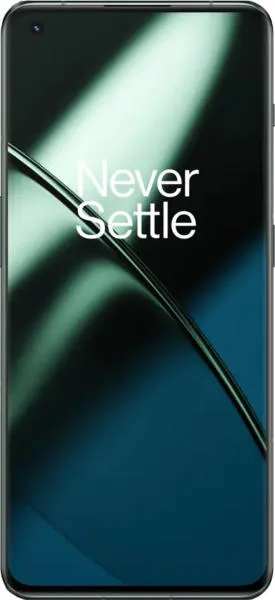
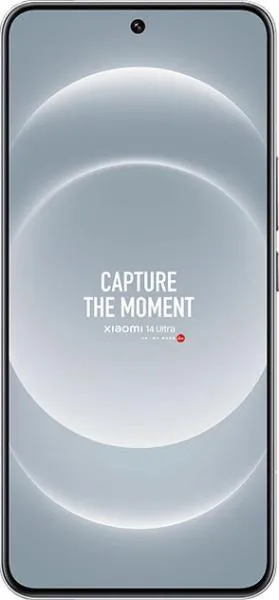
OnePlus 11 vs. Xiaomi 14 Ultra: A Deep Dive for the Discerning Smartphone User
The smartphone arena is ablaze with the launch of the Xiaomi 14 Ultra, a contender vying for the top spot against established players like the OnePlus 11. As a tech journalist with an engineering background, I'm here to dissect these devices, going beyond the spec sheets to reveal what truly matters: the real-world experience.
1. Specifications Breakdown
Let's break down the key specs and their implications for everyday use:
Design:
| Feature | OnePlus 11 | Xiaomi 14 Ultra | Real-World Implications |
|---|---|---|---|
| Dimensions (mm) | 163.1 x 74.1 x 8.5 | 161.4 x 75.3 x 9.2 | Xiaomi is slightly shorter and wider, OnePlus marginally thinner |
| Weight (g) | 205 | 229.5 | Xiaomi is noticeably heavier, potentially impacting comfort |
| Build Materials | Glass, Aluminum | Not specified, likely Glass and Aluminum | Durability and premium feel, needs further investigation for Xiaomi |
Display:
| Feature | OnePlus 11 | Xiaomi 14 Ultra | Real-World Implications |
|---|---|---|---|
| Display Size (inches) | 6.7 | 6.73 | Negligible size difference |
| Resolution | 1440 x 3216 | 1440 x 3200 | Virtually identical sharpness |
| Refresh Rate (Hz) | 120 (LTPO3) | 120 (LTPO) | Smooth scrolling and animations on both |
| Peak Brightness (nits) | 1300 | 3000 | Xiaomi offers significantly higher peak brightness for better outdoor visibility |
| Color Depth | 1B | 68B | Xiaomi's 68B color depth provides a wider range of colors for richer visuals |
Performance:
| Feature | OnePlus 11 | Xiaomi 14 Ultra | Real-World Implications |
|---|---|---|---|
| Chipset | Snapdragon 8 Gen 2 | Snapdragon 8 Gen 3 | Xiaomi boasts the newer generation chip, promising faster performance |
| CPU | Octa-core (up to 3.2 GHz) | Octa-core (up to 3.3 GHz) | Xiaomi's slightly higher clock speed and newer architecture contribute to faster processing |
| GPU | Adreno 740 | Adreno 750 | Xiaomi's GPU is expected to deliver better gaming and graphics performance |
| RAM | 8GB/12GB/16GB | 12GB/16GB | Both offer ample RAM for multitasking, but Xiaomi's base model starts higher. |
Camera:
| Feature | OnePlus 11 | Xiaomi 14 Ultra | Real-World Implications |
|---|---|---|---|
| Main Camera | 50MP (Sony IMX890) | 50MP (Sony LYT-900) | Xiaomi utilizes a larger 1-inch sensor, potentially capturing more light and detail. |
| Ultrawide | 48MP (Sony IMX581) | 50MP (Sony IMX858) | Significant upgrade in resolution and sensor for the Xiaomi, promising superior ultrawide shots. |
| Telephoto | 32MP (Sony IMX709) | 50MP (IMX858) 3.2x + 50MP 5x | Xiaomi offers a dual telephoto system with higher resolution and optical zoom capabilities. |
| DxOMark Score | 127 | 149 | Xiaomi scores significantly higher, indicating superior overall camera performance. |
Battery Life:
| Feature | OnePlus 11 | Xiaomi 14 Ultra | Real-World Implications |
|---|---|---|---|
| Battery Capacity | 5000 mAh | 5000 mAh | Identical battery capacity, real-world usage will depend on optimization. |
| Charging | Not specified | Not specified | Needs further investigation |
2. Key Insights
The Xiaomi 14 Ultra clearly pulls ahead in several key areas: display brightness, processing power, and camera technology. The Snapdragon 8 Gen 3, coupled with the Adreno 750 GPU, ensures a performance advantage for the Xiaomi. Its camera system, featuring a larger main sensor and a versatile dual telephoto setup, promises superior image quality. The substantially brighter display is a boon for outdoor use. However, the Xiaomi is noticeably heavier, which might deter some users. OnePlus 11 holds its own with a slightly thinner and lighter design, and a more affordable price point.
3. User Profiles and Recommendations
Power User/Photographer/Videographer: The Xiaomi 14 Ultra is the clear winner for demanding users who prioritize top-tier performance, a brilliant display, and cutting-edge camera capabilities.
Budget-Conscious User/Casual User: The OnePlus 11 offers excellent value for its price, delivering a flagship-level experience with a sleek design. It's a great option for users who don't need the absolute best in every category.
4. Buying Decision Framework:
- What is your budget? The Xiaomi 14 Ultra commands a premium price. If budget is a constraint, the OnePlus 11 provides exceptional value.
- What are your primary use cases? For heavy gaming, professional photography/videography, or frequent outdoor use, the Xiaomi excels. For everyday tasks, social media, and casual photography, the OnePlus is more than sufficient.
- How important is portability and comfort? The Xiaomi's added weight might be a concern for some. If a lighter and more compact phone is preferred, the OnePlus 11 is the better choice.
My Choice: The Xiaomi 14 Ultra
While the OnePlus 11 is a compelling device, I would choose the Xiaomi 14 Ultra. The significant advancements in camera technology, particularly the 1-inch main sensor and dual telephoto setup, are irresistible for a photography enthusiast like myself. The brighter display and the performance boost offered by the Snapdragon 8 Gen 3 are also major draws. I'm willing to accept the slightly heavier build for the superior overall experience the Xiaomi 14 Ultra provides. The future-proofing offered by the newer chipset and longer software update commitment also contribute to its long-term value proposition.
