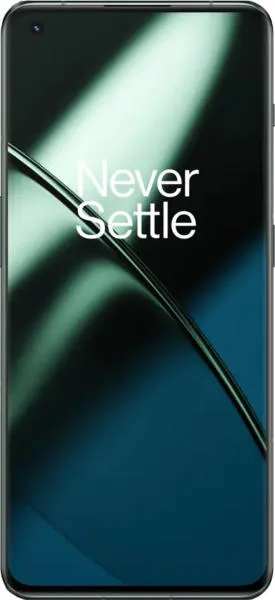
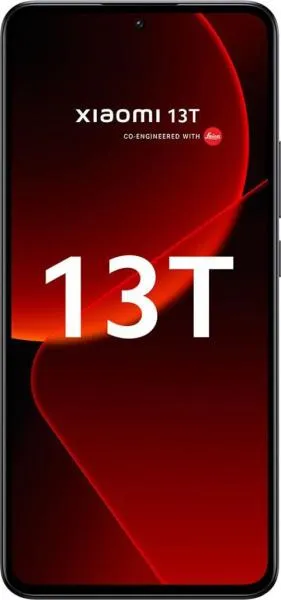
OnePlus 11 vs. Xiaomi 13T: A Deep Dive for the Discerning Smartphone User
The smartphone landscape is constantly evolving, with new contenders vying for your attention. Today, we're putting two formidable mid-range devices head-to-head: the OnePlus 11 and the Xiaomi 13T. Both boast impressive specs on paper, but let's dissect what those numbers truly mean for your daily life.
1. Specifications Breakdown
| Feature | OnePlus 11 | Xiaomi 13T | Real-World Implications |
|---|---|---|---|
| Design | |||
| Dimensions (mm) | 163.1 x 74.1 x 8.5 | 162.2 x 75.7 x 8.5 | Near identical; minimal difference in hand feel. |
| Weight (g) | 205 | 219 | OnePlus slightly lighter, potentially more comfortable for extended use. |
| Display | |||
| Size (inches) | 6.7 | 6.67 | Negligible difference in screen real estate. |
| Resolution (px) | 1440 x 3216 | 1220 x 2712 | OnePlus offers significantly sharper visuals (525 ppi vs 446 ppi). |
| Refresh Rate (Hz) | 120 (LTPO3) | 144 | Xiaomi has a higher refresh rate, but OnePlus dynamically adjusts for power efficiency. |
| Display Type | AMOLED (LTPO3) | AMOLED | Both offer vibrant colors and deep blacks. OnePlus's LTPO3 allows for more granular refresh rate control, conserving battery. |
| Peak Brightness(nits) | 1300 | 2600 | Xiaomi boasts a much brighter display, improving outdoor visibility. |
| Performance | |||
| Chipset | Snapdragon 8 Gen 2 | Dimensity 8200 Ultra | OnePlus utilizes a flagship-grade processor, likely resulting in smoother performance in demanding tasks and gaming. |
| CPU | Octa-core (3.2 GHz) | Octa-core (3.1 GHz) | Both are powerful, but the Snapdragon 8 Gen 2 architectural advantages should provide a performance edge for OnePlus. |
| GPU | Adreno 740 | Mali-G610 MC6 | Adreno 740 generally offers better gaming performance and graphics rendering. |
| RAM (GB) | 8/12/16 | 12 | OnePlus offers more RAM configurations, catering to different needs and budgets. More RAM can improve multitasking. |
| Camera | |||
| Main Sensor (MP) | 50 (Sony IMX890) | 50 (Sony IMX707) | Both use excellent sensors; image quality differences likely subtle and dependent on processing. Xiaomi has a slightly larger sensor. |
| Telephoto (MP) | 32 | 50 | Xiaomi offers a higher resolution telephoto lens, potentially better for zoomed shots. |
| Ultrawide (MP) | 48 | 12 | OnePlus has a significantly higher resolution ultrawide. |
| Battery Life | |||
| Capacity (mAh) | 5000 | 5000 | Identical battery capacity; real-world battery life depends on optimization and usage patterns. |
2. Key Insights
- Performance Powerhouse: The OnePlus 11, with its Snapdragon 8 Gen 2, pulls ahead in raw processing power. This translates to smoother gaming, faster app loading, and better handling of demanding tasks.
- Display Dilemma: Xiaomi 13T boasts a higher refresh rate (144Hz) and peak brightness for incredibly smooth scrolling and exceptional outdoor visibility. However, the OnePlus 11's sharper QHD+ resolution and LTPO technology offer a superior visual experience with better power management.
- Camera Close Call: Both phones offer compelling camera systems. Xiaomi's higher-resolution telephoto lens might appeal to zoom enthusiasts, but OnePlus's ultrawide lens provides a significant advantage in capturing expansive scenes. Real-world image quality will largely depend on software processing.
3. User Profiles and Recommendations
- Power User/Gamer: The OnePlus 11's superior performance and sharper display make it the clear choice for demanding users and mobile gamers.
- Outdoor Enthusiast/Content Consumer: The Xiaomi 13T's brighter display excels in direct sunlight. Its high refresh rate enhances media consumption, especially video playback and scrolling through social media feeds.
- Budget-Conscious User: Both phones offer compelling value. The final decision hinges on individual priorities: performance vs. display brightness and refresh rate.
4. Buying Decision Framework
- What are your primary smartphone activities? Gaming and heavy multitasking favor the OnePlus 11. Media consumption and frequent outdoor use lean towards the Xiaomi 13T.
- How important is display sharpness versus brightness and refresh rate? Prioritize the OnePlus 11 for crisper visuals, and the Xiaomi 13T for smoother scrolling and sunlight legibility.
- What's your budget? Compare prices in your region, considering RAM and storage options, to determine the best value for your money.
My Choice: The OnePlus 11
While the Xiaomi 13T is a strong contender with its impressive display and telephoto lens, I'd personally choose the OnePlus 11. The Snapdragon 8 Gen 2's significant performance advantage, coupled with the sharper, more power-efficient LTPO display, aligns better with my usage patterns. I prioritize smooth performance in demanding applications and appreciate the versatility of a high-quality, high-resolution screen. The slightly lighter weight is a bonus for extended use. Ultimately, the OnePlus 11 offers a more well-rounded package that caters to my needs as a power user and tech enthusiast.
