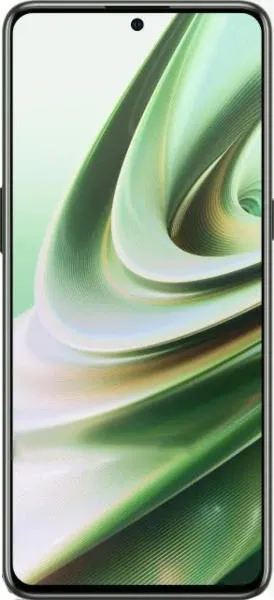
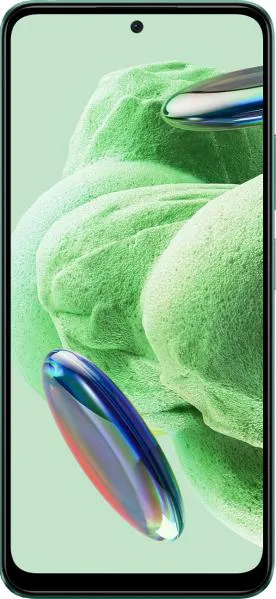
OnePlus 10T vs. Xiaomi Redmi Note 12: A Deep Dive for the Discerning User
The mid-range smartphone market is a battleground, and two contenders vying for your attention are the OnePlus 10T and the Xiaomi Redmi Note 12. Both promise compelling features at attractive price points, but a closer look reveals significant differences that cater to distinct user needs. Let's dissect these devices, translating the technical jargon into practical insights that empower you to make the right choice.
1. Specifications Breakdown
| Feature | OnePlus 10T | Xiaomi Redmi Note 12 | Real-World Implications |
|---|---|---|---|
| Design | |||
| Dimensions (mm) | 163 x 75.4 x 8.8 | 165.9 x 76.2 x 8 | 10T slightly more compact, potentially easier to handle one-handed. |
| Weight (g) | 204 | 188 | Redmi Note 12 noticeably lighter, reducing hand fatigue during extended use. |
| Display | |||
| Size (inches) | 6.7 | 6.67 | Virtually identical screen real estate. |
| Type | Fluid AMOLED, 120Hz | AMOLED, 120Hz | Both offer smooth scrolling and vibrant colors; OnePlus potentially smoother transitions |
| Resolution (px) | 1080 x 2412 | 1080 x 2400 | Negligible difference in sharpness. |
| Performance | |||
| Chipset | Snapdragon 8+ Gen 1 (4 nm) | Snapdragon 4 Gen 1 (6 nm) | Significant difference: 10T offers flagship-level performance, Redmi Note 12 is entry-level. Expect much faster speeds and smoother multitasking on the 10T. |
| CPU | Octa-core (up to 3.19 GHz) | Octa-core (up to 2.0 GHz) | 10T boasts significantly higher clock speeds, translating to faster app launches and responsiveness. |
| GPU | Adreno 730 | Adreno 619 | 10T's GPU delivers superior graphics performance for demanding games and applications. |
| RAM | 8/12/16GB | 4/6/8GB | More RAM options on the 10T, enabling better multitasking and smoother performance with memory-intensive tasks. |
| Camera | |||
| Main Sensor | 50MP Sony IMX766 | 48MP Samsung S5KJN1 | Both offer high-resolution sensors; real-world image quality will depend on processing. |
| Video | Up to 4K@60fps with EIS | Up to 1080p@30fps | Major advantage for 10T: Superior video resolution and frame rates. |
| Battery Life | |||
| Capacity (mAh) | 4800 | 5000 | Redmi Note 12 has a slightly larger battery. |
| Charging | 150W Fast Charging | 33W Fast Charging | Massive advantage for 10T: Dramatically faster charging speeds. |
2. Key Insights
The OnePlus 10T is a clear performance powerhouse driven by the Snapdragon 8+ Gen 1. This translates to a noticeably smoother and faster experience in everyday tasks, demanding games, and content creation. The 150W fast charging is a game-changer, topping up the battery in minutes.
The Redmi Note 12, while less powerful, offers a larger battery and a more affordable price point. It's a solid choice for users prioritizing battery life and value over raw performance.
3. User Profiles and Recommendations
OnePlus 10T: Ideal for power users, gamers, and anyone who demands top-tier performance and rapid charging. If you value speed and a fluid user experience, the 10T is a compelling choice.
Xiaomi Redmi Note 12: Best suited for budget-conscious users who prioritize battery life and casual usage. It's a reliable device for everyday communication, social media, and light gaming.
4. Buying Decision Framework
- What is your budget? The Redmi Note 12 offers excellent value for its price, while the 10T commands a premium for its superior performance.
- What is your primary smartphone usage? Heavy gaming and multitasking favor the 10T, while casual use makes the Redmi Note 12 a sensible option.
- How important is fast charging? The 10T's 150W charging is unmatched in its speed, a significant advantage if you're always on the go.
My Choice: As a tech journalist who often pushes devices to their limits, I would choose the OnePlus 10T. The Snapdragon 8+ Gen 1, coupled with the blazing-fast charging, aligns perfectly with my need for a responsive and efficient device. While the Redmi Note 12 offers excellent value, the performance difference is too significant to ignore for my workflow. The ability to quickly recharge and get back to work is invaluable. The superior video capabilities of the 10T are also crucial for capturing high-quality content.
