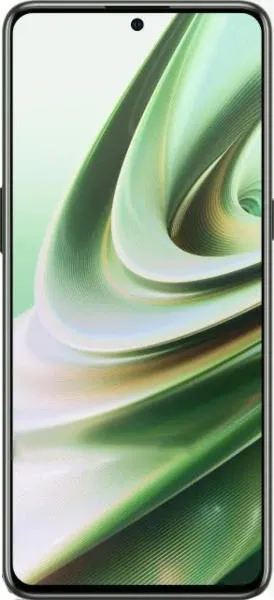
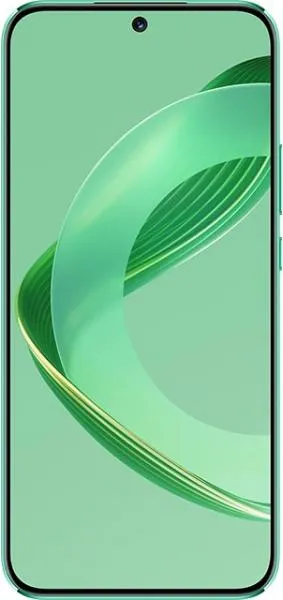
OnePlus 10T vs. Huawei nova 11: A Deep Dive for the Discerning Smartphone User
The mid-range smartphone arena is fiercely competitive, with devices vying for your attention with compelling features and aggressive pricing. Today, we dissect two contenders: the OnePlus 10T and the Huawei nova 11. Let's move beyond the marketing hype and delve into the engineering realities to understand what each phone truly offers.
1. Specifications Breakdown
| Feature | OnePlus 10T | Huawei nova 11 | Real-World Implications |
|---|---|---|---|
| Design | |||
| Dimensions (mm) | 163 x 75.4 x 8.8 | 161.3 x 75 x 6.9 | Nova 11 is slightly more compact and noticeably thinner and lighter. |
| Weight (g) | 204 | 168 | Noticeable difference in hand feel; Nova 11 will be more comfortable for extended use. |
| Display | |||
| Size | 6.7" | 6.7" | Identical screen real estate. |
| Type | Fluid AMOLED, 120Hz | OLED, 120Hz | Both offer smooth scrolling and responsive gaming, but AMOLED generally has better contrast. |
| Resolution | 1080 x 2412 | 1084 x 2412 | Virtually identical sharpness; imperceptible difference in pixel density. |
| HDR | HDR10+ | HDR10 | OnePlus 10T supports a slightly wider dynamic range for HDR content. |
| Performance | |||
| Chipset | Snapdragon 8+ Gen 1 (4nm) | Snapdragon 778G 4G (6nm) | Significant performance gap; 10T offers flagship-level speed and power efficiency. |
| CPU | Octa-core (up to 3.19 GHz) | Octa-core (up to 2.4 GHz) | 10T will handle demanding tasks and multitasking much more smoothly. |
| GPU | Adreno 730 | Adreno 642L | 10T offers a substantial advantage in gaming and graphics-intensive applications. |
| RAM | 8GB/12GB/16GB | 8GB/12GB | More RAM options on the 10T cater to power users. |
| Camera | |||
| Main | 50MP Sony IMX766 | 50MP | Both have high-resolution main sensors, but sensor details for the Nova 11 are lacking. |
| Selfie | 16MP Samsung S5K3P9 | 60MP OmniVision OV60A | Nova 11 boasts a significantly higher resolution selfie camera. |
| Video | Up to 4K@60fps with EIS | Up to 720p@960fps (Slow-mo) | 10T excels in overall video quality and resolution; Nova 11 shines in super slow motion. |
| Battery Life | |||
| Capacity | 4800mAh | 4500mAh | 10T has a slightly larger battery. |
| Charging | 150W SuperVOOC | 66W Huawei SuperCharge | Dramatically faster charging on the 10T; full charge in minutes. |
2. Key Insights
The OnePlus 10T is undeniably the performance champion, boasting a flagship-level processor, faster charging, and superior video capabilities. Its Snapdragon 8+ Gen 1 chip ensures buttery smooth performance even under heavy load, making it ideal for gaming, content creation, and multitasking. The 150W charging is simply astonishing, eliminating battery anxiety.
The Huawei nova 11, however, prioritizes design and selfie prowess. It's significantly lighter and thinner, offering a more comfortable in-hand experience. The 60MP front-facing camera caters to selfie enthusiasts and content creators focused on vlogging or social media. While its processor is less powerful, it's still capable of handling everyday tasks with ease. Notably, the lack of 5G might be a deal-breaker for some.
3. User Profiles and Recommendations
OnePlus 10T: Power users, gamers, and anyone who demands top-tier performance and blazing-fast charging. You value speed, efficiency, and future-proofing your device.
Huawei nova 11: Style-conscious users, selfie lovers, and those who prioritize portability and a comfortable grip. You value aesthetics, a great front-facing camera, and everyday usability.
4. Buying Decision Framework
- Is top-tier performance your priority? If yes, the OnePlus 10T is the clear winner.
- How important is 5G connectivity? If essential, the 10T is your only option here.
- Are you a heavy selfie taker or vlogger? The Nova 11's 60MP front camera could be a game-changer.
My Choice: The OnePlus 10T
While the Nova 11's design and selfie camera are appealing, the OnePlus 10T's raw power, future-proof 5G connectivity, and insanely fast charging are too compelling to ignore. As a tech journalist focused on long-term value and performance, the 10T aligns more closely with my needs. The Snapdragon 8+ Gen 1 provides a significant performance advantage that will remain relevant for years to come, ensuring a smooth user experience even as software demands increase. The lack of 5G on the Nova 11 is a significant drawback in today's rapidly evolving mobile landscape. While I appreciate a good selfie, the overall performance and longevity of the 10T ultimately win out.
