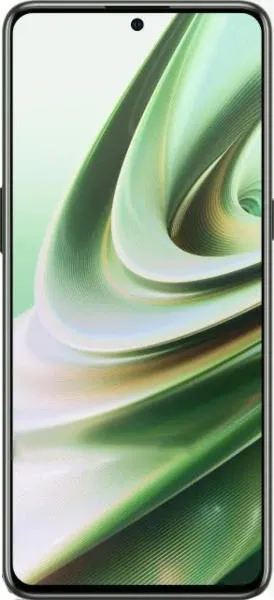
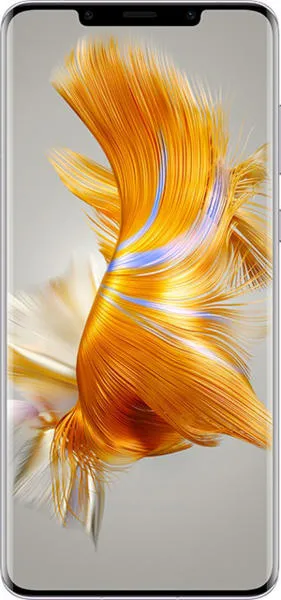
OnePlus 10T vs. Huawei Mate 50 Pro: A Deep Dive for the Discerning User
The smartphone landscape is a battlefield, and two contenders vying for your attention are the OnePlus 10T and the Huawei Mate 50 Pro. Both boast impressive specs on paper, but let's dissect what those numbers truly mean for your daily life. As a tech journalist with an engineering background, I'll break down the complexities into plain English, helping you choose the phone that fits your needs.
1. Specifications Breakdown
| Feature | OnePlus 10T | Huawei Mate 50 Pro | Real-World Implications |
|---|---|---|---|
| Design | |||
| Dimensions (mm) | 163 x 75.4 x 8.8 | 162.1 x 75.5 x 8.5 | Mate 50 Pro slightly more compact. Negligible difference in hand. |
| Weight (g) | 204 | 205 | Virtually identical weight. |
| Display | |||
| Size (inches) | 6.7 | 6.74 | Mate 50 Pro marginally larger. |
| Resolution (px) | 1080 x 2412 | 1212 x 2616 | Mate 50 Pro noticeably sharper due to higher pixel density (428 ppi vs 394 ppi), resulting in crisper text and images. |
| Type | Fluid AMOLED, 120Hz | OLED, 120Hz | Both offer smooth scrolling and responsive gaming. AMOLED generally delivers more vibrant colors and deeper blacks. |
| Performance | |||
| Chipset | Snapdragon 8+ Gen 1 (4 nm) | Snapdragon 8+ Gen 1 4G (4 nm) | Near-identical performance, though Mate 50 Pro CPU cores are clocked slightly differently. No 5G on the Mate 50 Pro is a major drawback for some. |
| RAM | 8GB/12GB/16GB | 8GB | OnePlus offers more RAM options for power users who multitask heavily. |
| Camera | |||
| Main | 50MP Sony IMX766, f/1.8 | 50MP Sony IMX766, f/1.4 | Mate 50 Pro's wider aperture (f/1.4) allows for significantly better low-light performance and depth of field control. |
| Ultrawide | 8MP, f/2.2 | 13MP, f/2.2 | Mate 50 Pro offers a higher resolution ultrawide for more detailed shots. |
| Telephoto | None | 64MP, f/3.5, 3.5x Optical Zoom | Mate 50 Pro significantly wins with a dedicated telephoto lens enabling optical zoom. |
| DxOMark Score | N/A | 149 (Overall Mobile) | Mate 50 Pro boasts excellent camera quality validated by DxOMark. |
| Battery Life | |||
| Capacity (mAh) | 4800 | 4700 | Negligible difference in battery capacity. |
| Charging | 150W Wired | 66W Wired, 50W Wireless | OnePlus charges remarkably fast, but Mate 50 Pro offers wireless charging convenience. |
2. Key Insights
- Performance Parity: Both phones offer top-tier performance thanks to the Snapdragon 8+ Gen 1, ensuring smooth multitasking and gaming. However, the lack of 5G on the Mate 50 Pro is a serious consideration.
- Display Delight: The Mate 50 Pro's higher resolution display delivers a sharper visual experience.
- Camera Champion: The Mate 50 Pro's camera system is superior, especially in low light and zoom capabilities, thanks to its wider aperture main lens and dedicated telephoto lens. The inclusion of XMAGE imaging technology potentially further elevates the photographic experience.
- Charging Choices: OnePlus 10T focuses on blazing-fast wired charging speed, while the Mate 50 Pro offers a balance of fast wired and the convenience of wireless charging.
3. User Profiles and Recommendations
- OnePlus 10T: Ideal for users who prioritize raw speed, quick charging, and value for money. Gamers and heavy multitaskers will appreciate the higher RAM options.
- Huawei Mate 50 Pro: Best suited for photography enthusiasts, users who demand a premium display, and those who value wireless charging convenience.
4. Buying Decision Framework
- Is 5G connectivity essential for you? If yes, the OnePlus 10T is the only option here.
- Are camera quality and versatility top priorities? If so, the Mate 50 Pro's superior camera system is the clear winner.
- Do you value the convenience of wireless charging? The Mate 50 Pro offers this feature, while the OnePlus 10T does not.
My Choice: Huawei Mate 50 Pro
While the OnePlus 10T offers incredible value and speed, I would choose the Huawei Mate 50 Pro. The superior camera system, especially the inclusion of a telephoto lens and brighter main sensor, significantly elevates the photography experience. The slightly sharper display also enhances daily interactions. While the lack of 5G is a drawback, I prioritize camera quality and overall user experience. The added convenience of wireless charging, though slower than the OnePlus's wired solution, fits my lifestyle better. Ultimately, the Mate 50 Pro strikes a compelling balance between performance, features, and a premium feel. However, if you absolutely need 5G, the OnePlus 10T is a compelling alternative.
