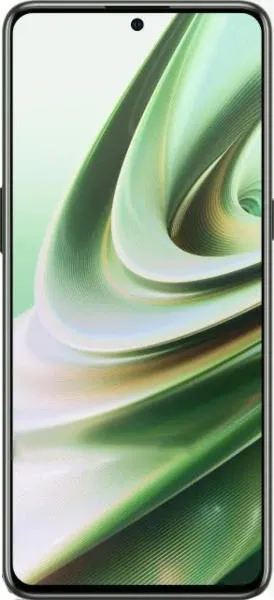
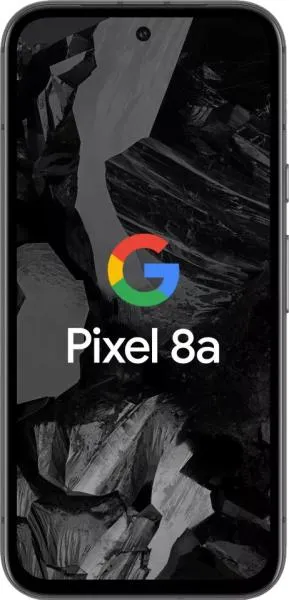
OnePlus 10T vs. Google Pixel 8a: A Deep Dive for the Discerning User
The smartphone landscape is constantly evolving, with new contenders vying for your attention. Today, we pit the OnePlus 10T, a 2022 powerhouse, against the fresh-faced Google Pixel 8a, launched in 2024. Let's dissect their specifications and uncover what these differences truly mean for you.
1. Specifications Breakdown
| Feature | OnePlus 10T | Google Pixel 8a | Real-World Implications | |||||
|---|---|---|---|---|---|---|---|---|
| Design | ||||||||
| Dimensions (mm) | 163 x 75.4 x 8.8 | 152.1 x 72.7 x 8.9 | Pixel 8a is noticeably smaller and lighter, enhancing one-handed usability. | |||||
| Weight (g) | 204 | 188 | Pixel 8a offers a more comfortable in-hand feel, especially for extended use. | |||||
| Display | ||||||||
| Size (inches) | 6.7 | 6.1 | 10T boasts a larger screen for immersive media consumption; 8a prioritizes portability. | |||||
| Resolution (px) | 1080 x 2412 | 1080 x 2400 | Virtually identical sharpness; both offer crisp visuals. | |||||
| Refresh Rate (Hz) | 120 | 120 | Both deliver smooth scrolling and animations, enhancing responsiveness. | |||||
| Display Type | Fluid AMOLED | OLED | Both offer vibrant colors and deep blacks; AMOLED generally consumes less power. | |||||
| Performance | ||||||||
| Chipset | Snapdragon 8+ Gen 1 | Google Tensor G3 | Tensor G3, being newer, likely offers AI processing advantages; 8+ Gen 1 excels in raw power. | |||||
| CPU | Octa-core | Nona-core | Both offer excellent multi-tasking capabilities. Tensor G3's architecture may offer better efficiency | |||||
| RAM (GB) | 8/12/16 | 8 | More RAM options on the 10T allow for smoother multitasking with demanding apps. | |||||
| Camera | ||||||||
| Main Camera (MP) | 50 | 64 | Pixel 8a's higher resolution main sensor potentially captures more detail. | |||||
| Ultrawide (MP) | 8 | 13 | Pixel 8a likely offers a wider field of view and higher resolution for ultrawide shots. | Selfie Camera (MP) | 16 | 13 | 10T boasts slightly higher resolution for selfies. | |
| Battery Life | ||||||||
| Capacity (mAh) | 4800 | 4492 | 10T has a slightly larger battery, but real-world usage will depend on optimization. | |||||
| Fast Charging | 150W | 18W | 10T offers significantly faster charging, minimizing downtime. |
2. Key Insights
- Performance: The OnePlus 10T, with its Snapdragon 8+ Gen 1, likely edges out the Pixel 8a in raw processing power. However, the Tensor G3 in the Pixel 8a is purpose-built for AI and machine learning, potentially offering a superior experience in tasks like photography, voice assistance, and language processing.
- Camera: While the Pixel 8a boasts higher resolution sensors, Google's renowned computational photography prowess traditionally delivers excellent image quality, potentially surpassing the 10T despite the lower megapixel count on the selfie camera.
- Charging: The OnePlus 10T's 150W fast charging is a game-changer, offering incredibly quick top-ups. The Pixel 8a's 18W charging is comparatively slower.
- Software: The Pixel 8a ships with the latest Android 14 and benefits from Google's promise of extended software updates, ensuring a longer lifespan of feature and security updates. The OnePlus 10T launched with Android 12, and while it may receive updates, it won't match the Pixel's longevity.
3. User Profiles and Recommendations
- OnePlus 10T: Ideal for power users, gamers, and those who prioritize raw performance and blazing-fast charging. The larger display also makes it a great choice for media consumption.
- Google Pixel 8a: Best suited for users who value a clean Android experience, consistent software updates, excellent camera performance, and a compact form factor. Those heavily reliant on Google's ecosystem will also appreciate the seamless integration.
4. Buying Decision Framework
- What is your budget? Both phones fall in the mid-range, but specific pricing may vary.
- What are your performance priorities? Raw power vs. AI-driven efficiency.
- How important is software longevity and camera quality? The Pixel 8a has a clear advantage here.
My Choice: As a tech journalist who values a balance of performance, camera quality, and software updates, I would lean towards the Google Pixel 8a. While the OnePlus 10T offers impressive charging speeds and a larger display, the Pixel 8a's superior camera capabilities (thanks to Google's computational photography), longer software support, and cleaner Android experience align more closely with my personal preferences. The more compact form factor is also appealing for daily use. While the 10T's charging speed is tempting, I prioritize the overall user experience and long-term value offered by the Pixel 8a.
