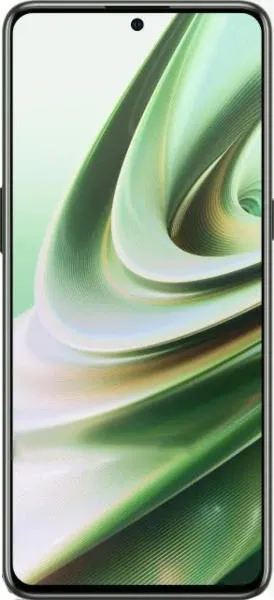
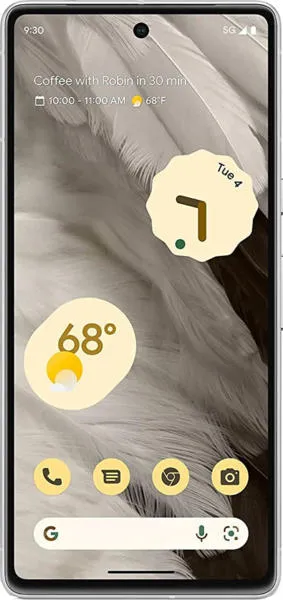
OnePlus 10T vs. Google Pixel 7: A Deep Dive for the Discerning User
The smartphone landscape is constantly evolving, and choosing the right device can feel overwhelming. Today, we'll dissect two compelling contenders in the mid-range arena: the OnePlus 10T and the Google Pixel 7. We'll go beyond the spec sheet, translating technical jargon into real-world implications to help you make an informed decision.
1. Specifications Breakdown
| Feature | OnePlus 10T | Google Pixel 7 | Real-World Implications |
|---|---|---|---|
| Design | |||
| Dimensions (mm) | 163 x 75.4 x 8.8 | 155.6 x 73.2 x 8.7 | Pixel 7 is slightly smaller and lighter, potentially more comfortable for one-handed use. |
| Weight (g) | 204 | 197 | Negligible difference in weight for most users. |
| Build Material | Glass front, glass back | Glass front, aluminum frame, glass back | Pixel 7's aluminum frame might offer better durability against drops. |
| Display | |||
| Size (inches) | 6.7 | 6.3 | 10T offers a larger screen for more immersive media consumption. |
| Resolution | 1080 x 2412 | 1080 x 2400 | Virtually identical sharpness; difference imperceptible to the naked eye. |
| Refresh Rate (Hz) | 120 | 90 | 10T's higher refresh rate results in smoother scrolling and animations, especially noticeable in gaming and fast-paced UI. |
| Display Type | Fluid AMOLED | AMOLED | Both offer vibrant colors and deep blacks, but the 10T's "Fluid AMOLED" branding suggests potentially better motion handling. |
| Performance | |||
| Chipset | Snapdragon 8+ Gen 1 | Google Tensor G2 | Both are powerful chips, but benchmarks suggest the Snapdragon 8+ Gen 1 offers a raw performance advantage. |
| CPU | Octa-core (Cortex-X2, A710, A510) | Octa-core (Cortex-X1, A78, A55) | Both offer excellent multi-core performance, but Snapdragon may edge out in single core. |
| GPU | Adreno 730 | Mali-G710 MP7 | Adreno 730 generally delivers superior gaming performance. |
| RAM | 8GB/12GB/16GB | 8GB | More RAM options on the 10T allow for better multitasking and future-proofing. |
| Camera | |||
| Rear Camera | 50MP (wide) + 8MP (ultrawide) + 2MP (macro) | 50MP (wide) + 12MP (ultrawide) | Pixel leverages computational photography and its custom Tensor chip for potentially superior image quality. |
| Front Camera | 16MP | 10.8MP | 10T has a higher resolution front camera, but Pixel's processing could still produce better selfies. |
| Battery Life | |||
| Capacity (mAh) | 4800 | 4355 | 10T has a larger battery, potentially translating to longer usage time. |
| Charging | 150W wired | 30W wired, 23W wireless | Significantly faster wired charging on the 10T; Pixel offers wireless charging. |
2. Key Insights
Performance Powerhouse: The OnePlus 10T prioritizes raw performance with its Snapdragon chip and higher refresh rate display. This makes it ideal for demanding tasks like gaming and heavy multitasking.
Camera and Software Smarts: The Pixel 7 shines in the camera department, leveraging Google's renowned computational photography expertise for stunning images. Its cleaner Android experience and faster updates are also major advantages.
Charging Champion: The 10T's 150W wired charging is incredibly fast, topping up the battery in minutes. The Pixel 7's charging is considerably slower, but it offers the convenience of wireless charging.
3. User Profiles and Recommendations
OnePlus 10T: Power users, gamers, and those who value the absolute fastest performance and charging speeds.
Google Pixel 7: Photography enthusiasts, users who prioritize a clean Android experience with timely updates, and those who desire wireless charging.
4. Buying Decision Framework
- What are your top priorities? Raw performance and fast charging, or camera quality and software experience?
- What's your budget? While both are mid-range, prices can vary depending on storage configurations.
- Do you value wireless charging? This is a key differentiator between the two devices.
My Choice: The Google Pixel 7
While the OnePlus 10T boasts impressive specs, I would choose the Google Pixel 7. As a tech journalist, a reliable camera and a smooth, updated software experience are paramount to my workflow. The Pixel 7 excels in both areas. Its computational photography consistently delivers outstanding images, and the clean Android OS with guaranteed updates ensures a frustration-free user experience. While the 10T's blazing fast charging is tempting, the Pixel's wireless charging capability aligns better with my lifestyle. Ultimately, the Pixel 7 offers a more balanced and refined package that caters to my specific needs.
