OnePlus 10T vs. Asus Zenfone 10: A Deep Dive for the Discerning User
The smartphone landscape is a battlefield, and two contenders vying for your attention are the OnePlus 10T and the Asus Zenfone 10. Both promise a premium experience, but their strengths cater to different needs. Let's dissect their specifications and uncover what each brings to the table.
1. Specifications Breakdown
| Feature | OnePlus 10T | Asus Zenfone 10 | Real-World Implications |
|---|---|---|---|
| Design | |||
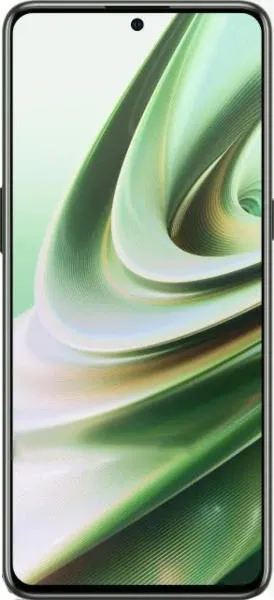
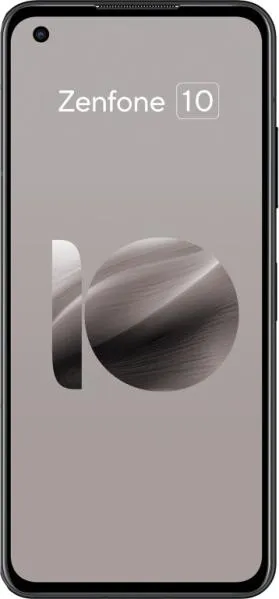
| Dimensions | 163 x 75.4 x 8.8 mm, 204g | 146.5 x 68.1 x 9.4 mm, 172g | Zenfone 10 is significantly smaller and lighter, offering superior one-handed usability. |
| Display | |||
| Size | 6.7" | 5.92" | Larger display on 10T offers more immersive content consumption; Zenfone 10 prioritizes portability. |
| Type | Fluid AMOLED, 120Hz | Super AMOLED, 144Hz | Both offer vibrant colors and smooth scrolling; Zenfone 10's higher refresh rate provides a slight edge in fluidity. |
| Resolution | 1080 x 2412 pixels | 1080 x 2400 pixels | Comparable sharpness; pixel density difference negligible in real-world usage. |
| Performance | |||
| Chipset | Snapdragon 8+ Gen 1 | Snapdragon 8 Gen 2 | Zenfone 10 boasts a newer, more powerful, and efficient processor, leading to better performance and battery life. |
| RAM | 8/12/16GB | 8/16GB | Both offer ample RAM for multitasking; 10T's 16GB option caters to power users. |
| Camera | |||
| Main Sensor | 50MP Sony IMX766 | 50MP Sony IMX766 with Gimbal OIS | Similar main sensor, but Zenfone 10 benefits significantly from its 6-Axis Hybrid Gimbal Stabilizer for video. |
| Ultrawide | 8MP | 13MP with macro capability | Zenfone 10 provides a higher resolution ultrawide with added macro functionality. |
| Battery Life | |||
| Capacity | 4800mAh with 150W Fast Charging | 4300mAh with 30W Fast Charging, 15W Wireless | 10T charges incredibly fast; Zenfone 10 offers wireless charging and potentially better overall battery efficiency. |
2. Key Insights
The OnePlus 10T prioritizes raw speed and charging, evident in its Snapdragon 8+ Gen 1 and blistering 150W fast charging. You'll spend less time tethered to a wall outlet. However, its larger size might not appeal to everyone.
The Asus Zenfone 10, while packing a smaller battery, focuses on a refined experience. Its Snapdragon 8 Gen 2 offers a performance and efficiency boost, and the inclusion of a 6-Axis Hybrid Gimbal Stabilizer for the main camera is a game-changer for video recording. Wireless charging adds convenience, though at a slower speed.
3. User Profiles and Recommendations
OnePlus 10T: Ideal for users who demand absolute speed, prioritize fast charging, and enjoy consuming media on a large display. Gamers and heavy multitaskers will appreciate the extra horsepower and RAM options.
Asus Zenfone 10: Perfect for users who value a compact, one-hand-friendly phone without compromising on performance. Content creators will love the superior video stabilization, and the addition of wireless charging adds a touch of modern convenience. Those seeking the latest and greatest in chip technology will find the Snapdragon 8 Gen 2 appealing.
4. Buying Decision Framework
- Is one-handed usability a priority? If yes, the Zenfone 10's compact form factor is a clear winner.
- How important is video recording quality? The Zenfone 10's gimbal stabilization makes it the superior choice for steady and smooth videos.
- Do you need the absolute fastest charging speeds? The OnePlus 10T's 150W charging is unmatched.
My Choice: The Asus Zenfone 10
While the OnePlus 10T offers blazing fast charging and a larger display, the Asus Zenfone 10 resonates more with my personal preferences. I value the compact size, the significant leap in video quality thanks to the gimbal stabilization, and the updated Snapdragon 8 Gen 2 processor. The efficiency improvements and wireless charging, albeit slower, align better with my usage patterns. The Zenfone 10 feels like a more well-rounded package, offering a premium and future-proof experience that fits comfortably in hand and pocket.
