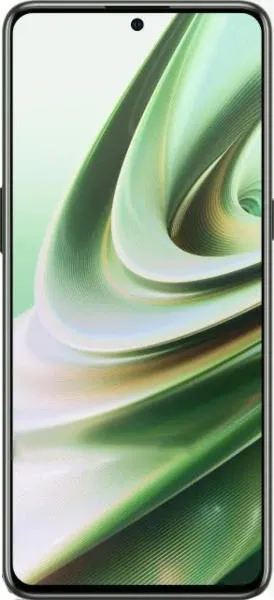
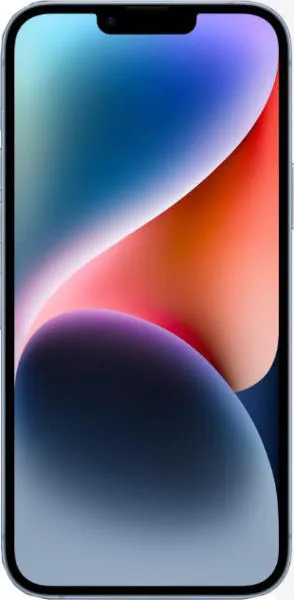
OnePlus 10T vs. Apple iPhone 14 Plus: A Deep Dive for the Discerning User
The smartphone landscape is a battlefield, and two contenders vying for your attention are the OnePlus 10T and the Apple iPhone 14 Plus. Both offer large displays and premium features, but their underlying philosophies and technical implementations differ significantly. Let's dissect these devices, translating the spec sheet into a meaningful comparison that empowers you to choose the perfect fit.
1. Specifications Breakdown
| Feature | OnePlus 10T | Apple iPhone 14 Plus | Real-World Implications |
|---|---|---|---|
| Design | |||
| Dimensions (mm) | 163 x 75.4 x 8.8 | 160.8 x 78.1 x 7.8 | 14 Plus is slightly shorter and thinner. Negligible difference in daily use. |
| Weight (g) | 204 | 203 | Virtually identical weight; both feel substantial in hand. |
| Build Materials | Glass front, plastic frame | Glass front/back, aluminum frame | iPhone boasts more premium materials, potentially impacting durability and perceived quality. |
| Display | |||
| Size (inches) | 6.7 | 6.7 | Identical screen real estate for immersive content consumption. |
| Resolution (px) | 1080 x 2412 | 1284 x 2778 | iPhone has a sharper display (458 ppi vs. 394 ppi), resulting in crisper text and images. |
| Panel Type | Fluid AMOLED, 120Hz | Super Retina XDR OLED | Both offer vibrant colors and deep blacks. 120Hz on 10T enables smoother scrolling and animations. |
| Performance | |||
| Chipset | Snapdragon 8+ Gen 1 | Apple A15 Bionic | Both are flagship-level processors, but A15 generally demonstrates superior efficiency and GPU performance. |
| RAM (GB) | 8/12/16 | 6 | More RAM on 10T could benefit multitasking, but iOS optimization often negates this advantage. |
| OS | Android 12 | iOS 16 | Distinct user experiences; preference depends on individual workflows and ecosystem integration. |
| Camera | |||
| Main Camera (MP) | 50 | 12 | Megapixels aren't everything; iPhone's larger sensor and computational photography often deliver superior image quality. |
| Video | 4K@60fps | 4K@60fps with Cinematic Mode | Both offer excellent video recording. Cinematic Mode on iPhone adds shallow depth of field effects. |
| Battery Life | |||
| Capacity (mAh) | 4800 | 4323 | 10T has a larger battery capacity, suggesting potentially longer endurance. |
| Charging | 150W SuperVOOC | 20W Fast Charging | 10T offers significantly faster charging speeds. |
2. Key Insights
The OnePlus 10T prioritizes raw speed and charging, boasting a blazing-fast 150W charging solution and a high refresh rate display. Its Snapdragon 8+ Gen 1 provides ample power, although real-world performance differences compared to the A15 might be subtle for average users.
The iPhone 14 Plus emphasizes a refined user experience, leveraging the A15's efficiency and iOS optimization for seamless performance. Its camera system, while lower in megapixels, often produces superior image quality thanks to computational photography. The longer software support lifecycle of iOS is another significant advantage.
3. User Profiles and Recommendations
OnePlus 10T: Ideal for power users, gamers, and those who prioritize fast charging and a fluid display. Android enthusiasts will appreciate the customization options.
iPhone 14 Plus: Best suited for users seeking a polished, reliable experience with a strong emphasis on camera quality and long-term software updates. Those invested in the Apple ecosystem will find seamless integration with other Apple devices.
4. Buying Decision Framework
- What is your budget and storage requirement? Both phones offer different storage tiers at varying price points.
- Which operating system do you prefer? Android and iOS offer distinct user experiences.
- What are your priorities? Raw performance and fast charging (10T) or camera quality, software updates, and ecosystem integration (iPhone 14 Plus)?
My Choice: Apple iPhone 14 Plus
While the OnePlus 10T's impressive charging speed and high refresh rate are tempting, I would choose the iPhone 14 Plus. The deciding factors for me are the refined user experience, superior camera quality, and long-term software support offered by Apple. While benchmark numbers might favor the Snapdragon chip, the A15's real-world efficiency and iOS optimization generally translate to a smoother, more consistent experience over time. The iPhone's camera consistently impresses, and the assurance of several years of software updates provides peace of mind and sustained value. Ultimately, the iPhone 14 Plus aligns better with my personal priorities for a smartphone.
