1. Specifications Comparison
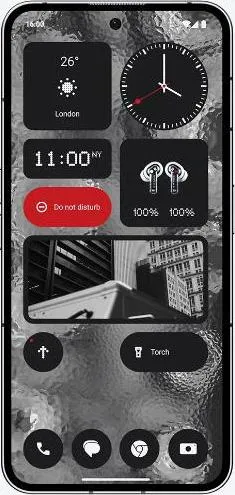
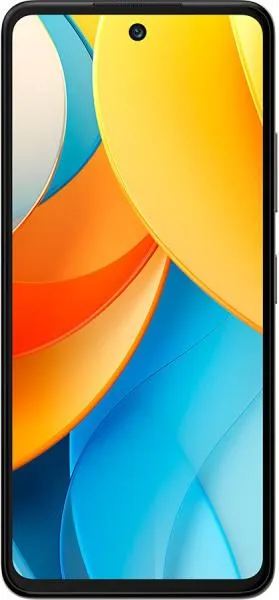
| Feature | Category | Nothing Phone (2) | ZTE Blade V60 Design | Practical Impact |
|---|---|---|---|---|
| Dimensions | Design | 162.1 x 76.4 x 8.6 mm | 164.2 x 75.3 x 8.6 mm | Negligible size difference; both feel similar in hand. |
| Weight | Design | 201.2 g | 198 g | Virtually identical weight. |
| Build | Design | Glass front/back, aluminum frame | Unspecified | Material differences impact durability and premium feel. Missing information on ZTE's build limits comparison. |
| Display Type | Display | LTPO OLED, 1B colors, 120Hz | IPS LCD, 90Hz | Nothing Phone (2) offers significantly better contrast, color accuracy, and smoother scrolling due to OLED and higher refresh rate. |
| Display Size | Display | 6.7" | 6.6" | Negligible size difference in practical use. |
| Resolution | Display | 1080 x 2412 | 720 x 1612 | Much sharper and clearer visuals on the Nothing Phone (2). ZTE's lower resolution will result in noticeable pixelation. |
| Peak Brightness | Display | 1600 nits | Unspecified | Nothing Phone (2)'s high brightness ensures excellent outdoor visibility. Missing ZTE data hinders comparison. |
| Chipset | Performance | Snapdragon 8+ Gen 1 (4nm) | Unisoc T606 (12nm) | Vast performance difference. Nothing Phone (2) will handle demanding tasks and gaming much more smoothly. |
| CPU | Performance | Octa-core (1x3.0 GHz Cortex-X2 & 3x2.5 GHz Cortex-A710 & 4x1.80 GHz Cortex-A510) | Octa-core (2x1.6 GHz Cortex-A75 & 6x1.6 GHz Cortex-A55) | Significant difference in processing power; Nothing Phone (2) offers superior speed and responsiveness. |
| GPU | Performance | Adreno 730 | Mali-G57 MP1 | Nothing Phone (2) provides a significantly better gaming and graphics-intensive application experience. |
| RAM | Performance | 12GB | 6GB | Nothing Phone (2) allows for more efficient multitasking and smoother performance with demanding applications. |
| Storage | Performance | 256GB/512GB | 256GB | Comparable storage options, but RAM difference significantly impacts overall performance. |
| Main Camera | Camera | Unspecified | Unspecified | Camera comparison is impossible without sensor details and megapixel count. |
| Video Recording | Camera | 4K@30/60fps, 1080p@30/60fps (HDR, OIS, EIS) | 1080p@30fps | Nothing Phone (2) allows for higher resolution and frame rate video recording with stabilization. |
| Battery Capacity | Battery | 4700 mAh | 5000 mAh | ZTE has slightly larger battery capacity, but real-world battery life depends on optimization and usage. |
| OS | Software | Android 13 (upgradable to 16) | Android 13 | Nothing Phone (2) benefits from longer software support, ensuring security updates and new features. Missing information on ZTE's maximum Android version. |
| Price Range | Value | Medium | Low | Significant price difference, reflecting the performance and feature gap. |
2. Key Differences Analysis
Nothing Phone (2) Advantages:
- Superior Display: OLED with higher resolution, refresh rate, and brightness. Results in a dramatically better visual experience.
- Significantly Faster Performance: Much more powerful processor and GPU enables smooth multitasking, gaming, and demanding application use.
- Longer Software Support: Guaranteed updates to Android 16 ensure longevity and security.
- Higher Quality Video Recording: Offers 4K recording with stabilization (OIS, EIS) for superior video quality.
ZTE Blade V60 Design Advantages:
- Potentially Longer Battery Life: Larger battery capacity may result in longer usage time, but this is not guaranteed without real-world testing.
- Lower Price: More budget-friendly option.
3. User Profiles & Recommendations
Nothing Phone (2): Ideal for users who prioritize performance, a premium display, smooth multitasking, mobile gaming, and long-term software support. Suitable for power users, content creators, and gamers.
ZTE Blade V60 Design: Suitable for budget-conscious users who prioritize basic functionality for everyday tasks like calling, texting, and web browsing. Best for users who are not concerned with high performance or the latest features.
4. Decision Framework
Key Questions for Buyers:
- What is your budget? The price difference is significant.
- What are your primary smartphone usage patterns? (e.g., gaming, content creation, basic communication)
- How important is long-term software support and future-proofing?
My Choice: Nothing Phone (2)
The Nothing Phone (2) is the clear winner for me. While the ZTE Blade V60 Design offers a lower price point, the significant compromises in performance, display quality, and software support are too substantial. The Nothing Phone (2)'s superior processor, stunning OLED display, and commitment to software updates offer a far more compelling and future-proof experience. The price difference is justified by the vastly improved overall user experience. Even without complete camera specifications, the overall package of the Nothing Phone (2) significantly outweighs the potential battery life benefit of the ZTE.
