1. Specifications Comparison
| Feature | Nothing Phone (2) | ZTE Blade A75 4G | Practical Impact |
|---|---|---|---|
| Design | |||
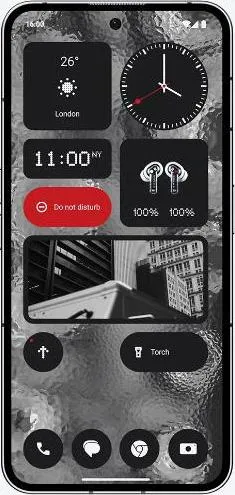
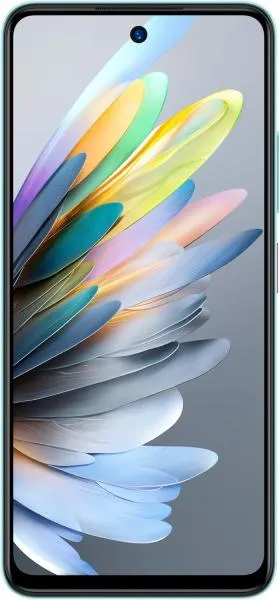
| Dimensions (mm) | 162.1 x 76.4 x 8.6 | 164.1 x 75.8 x 8.6 | Nearly identical size and thickness |
| Weight (g) | 201.2 | 189 | Nothing Phone (2) is slightly heavier |
| Build Materials | Missing | Missing | Build quality and feel cannot be compared |
| Display | |||
| Display Type | LTPO OLED, 1B colors, 120Hz | IPS LCD, 90Hz | Significantly different visual experience: Nothing Phone (2) offers superior contrast, color accuracy, smoother scrolling, and potentially better battery life due to LTPO technology |
| Size (inches) | 6.7 | 6.6 | Negligible size difference |
| Resolution | 1080 x 2412 | 720 x 1612 | Much sharper and more detailed visuals on the Nothing Phone (2) |
| Refresh Rate (Hz) | 120 | 90 | Noticeably smoother animations and scrolling on the Nothing Phone (2) |
| Peak Brightness (nits) | 1600 | Missing | Nothing Phone (2) should offer superior outdoor visibility; impact of missing value for ZTE unknown |
| Performance | |||
| Chipset | Snapdragon 8+ Gen 1 (4nm) | Unisoc T606 (12nm) | Vastly superior performance on the Nothing Phone (2) in demanding tasks, gaming, and multitasking |
| CPU | Octa-core (1x3.0 GHz Cortex-X2 & 3x2.5 GHz Cortex-A710 & 4x1.80 GHz Cortex-A510) | Octa-core (2x1.6 GHz Cortex-A75 & 6x1.6 GHz Cortex-A55) | Significant performance difference; Nothing Phone (2) utilizes a more powerful and efficient CPU architecture |
| GPU | Adreno 730 | Mali-G57 MP1 | Nothing Phone (2)'s GPU offers considerably better graphics performance for gaming and visually intensive applications |
| RAM | 12GB | 4GB | Nothing Phone (2) allows for significantly more apps to run in the background and handle heavier multitasking |
| Storage | 256GB/512GB | 256GB | Comparable storage capacity, but RAM difference significantly impacts overall performance |
| Camera | |||
| Rear Camera | Missing Specifics | Missing Specifics | Camera quality comparison impossible without detailed specifications |
| Video | 4K@30/60fps, 1080p@30/60fps | 1080p@30fps | Nothing Phone (2) supports higher resolution and frame rate video recording |
| Battery | |||
| Capacity (mAh) | 4700 | 5000 | ZTE has a larger battery, but real-world battery life depends on optimization and display efficiency; Nothing Phone (2)'s LTPO display could offset the capacity difference |
2. Key Differences Analysis
Nothing Phone (2) Advantages:
- Significantly superior performance: The Snapdragon 8+ Gen 1 outclasses the Unisoc T606 in every aspect, ensuring smooth performance even with demanding tasks.
- Much better display: The 120Hz LTPO OLED panel offers vibrant colors, deep blacks, and smooth scrolling compared to the 90Hz IPS LCD on the ZTE.
- More RAM: 12GB RAM enables superior multitasking and smoother overall performance.
ZTE Blade A75 4G Advantages:
- Larger battery capacity: 5000mAh battery potentially offers longer battery life, but this needs real-world testing to confirm.
- Lower price: Belongs to a lower price range, making it more budget-friendly.
3. User Profiles & Recommendations
Nothing Phone (2): Ideal for users who prioritize performance, a high-quality display, and smooth multitasking. Suitable for demanding tasks like gaming, content creation, and heavy app usage.
ZTE Blade A75 4G: Best suited for budget-conscious users who prioritize basic functionality like calling, texting, and web browsing. Suitable for light users who don't demand high performance or advanced features.
4. Decision Framework
Key Questions for Buyers:
- What is your budget? The ZTE is significantly cheaper.
- What are your primary smartphone uses? Demanding tasks require the Nothing Phone (2)'s performance.
- How important is display quality? The Nothing Phone (2) offers a vastly superior visual experience.
My Choice: Nothing Phone (2)
While the ZTE Blade A75 4G offers a larger battery and a lower price, the Nothing Phone (2) is the clear winner for me. The significantly superior processor, vastly better display, and ample RAM make for a dramatically improved user experience. The performance difference alone would heavily influence my decision, as it impacts nearly every aspect of daily use. Even with the price difference, the long-term value and user experience offered by the Nothing Phone (2) outweigh the potential battery life advantage of the ZTE, especially considering the potential battery life benefits of the Nothing Phone (2)'s LTPO display. While I acknowledge the ZTE's appeal for budget-conscious buyers, the compromises in performance and display quality would be too significant for my personal needs.
