1. Specifications Comparison
| Feature | Category | Nothing Phone (2) | Xiaomi Redmi Note 13 Pro+ | Practical Impact |
|---|---|---|---|---|
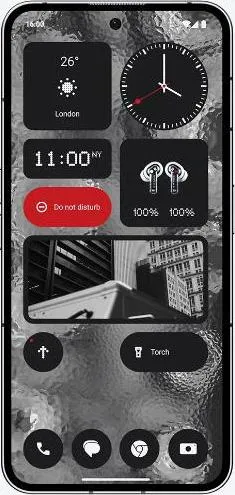
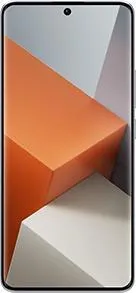
| Dimensions | Design | 162.1 x 76.4 x 8.6 mm, 201.2g | 161.4 x 74.2 x 8.9 mm, 199g | The Redmi is slightly lighter and narrower, potentially making it more comfortable for one-handed use. The Nothing Phone (2) is slightly thinner. |
| Build | Design | Build materials are not specified for either phone, limiting a comparison of durability and premium feel. | ||
| Display Type | Display | 6.7" LTPO OLED, 1B colors | 6.67" AMOLED, 68B colors | Both offer vibrant colors and deep blacks. The LTPO panel on the Nothing Phone (2) allows for dynamic refresh rate adjustment, potentially saving battery. Redmi boasts more color depth but its real-world impact might be negligible for most users. |
| Resolution | Display | 1080 x 2412 (394 ppi) | 1220 x 2712 (446 ppi) | The Redmi has a sharper display due to the higher resolution and pixel density. Text and images will appear crisper. |
| Peak Brightness | Display | 1600 nits | 1800 nits | The Redmi offers slightly higher peak brightness, potentially improving outdoor visibility in direct sunlight. |
| Refresh Rate | Display | 120Hz | 120Hz | Both displays offer smooth scrolling and animations thanks to the high refresh rate. |
| Chipset | Performance | Snapdragon 8+ Gen 1 (4nm) | Dimensity 7200 Ultra (4nm) | The Snapdragon 8+ Gen 1 is generally considered a more powerful chipset, likely resulting in better performance in demanding tasks and gaming. |
| CPU | Performance | Octa-core (1x3.0 GHz Cortex-X2 & 3x2.5 GHz Cortex-A710 & 4x1.80 GHz Cortex-A510) | Octa-core (2x2.8 GHz Cortex-A715 & 6x2.0 GHz Cortex-A510) | The Nothing Phone (2)'s CPU configuration suggests a performance advantage in single-core and multi-core workloads. |
| GPU | Performance | Adreno 730 | Mali-G610 MC4 | The Adreno 730 generally offers superior graphics performance compared to the Mali-G610 MC4, resulting in smoother gaming and faster rendering. |
| RAM/Storage | Performance | 256GB/12GB, 512GB/12GB | 256GB/12GB, 512GB/8GB, 512GB/12GB | Both offer ample storage options. RAM configurations are similar, though Redmi offers a 512GB/8GB RAM option, potentially offering a lower price point for users less concerned about multi-tasking performance. |
| Battery Capacity | Battery | 4700 mAh | 5000 mAh | The Redmi has a larger battery, potentially providing longer battery life. |
| Charging Speed | Battery | Not specified | Not specified | Charging speeds are unknown, limiting a comparison of charging times. |
| Main Camera | Camera | Not specified | Not specified | Camera specifications are missing, preventing a detailed comparison of image and video quality. |
| Video Recording | Camera | Up to 4K@60fps with OIS/EIS | Up to 4K@30fps with EIS | The Nothing Phone (2) offers higher resolution and frame rate video recording capabilities, along with optical image stabilization (OIS) for smoother videos. The Redmi only offers Electronic Image Stabilization (EIS). |
2. Key Differences Analysis
Nothing Phone (2) Advantages:
- More Powerful Processor: The Snapdragon 8+ Gen 1 offers a significant performance advantage, benefiting demanding tasks and gaming.
- Superior GPU: The Adreno 730 delivers better graphics performance.
- Higher Quality Video Recording: Supports 4K@60fps with OIS for smoother and more stable videos.
- Dynamic Refresh Rate: The LTPO display can dynamically adjust its refresh rate, potentially saving battery.
Xiaomi Redmi Note 13 Pro+ Advantages:
- Sharper Display: Higher resolution and pixel density result in a crisper viewing experience.
- Brighter Display: Offers higher peak brightness for better outdoor visibility.
- Larger Battery: Potentially longer battery life.
3. User Profiles & Recommendations
Nothing Phone (2): Ideal for users who prioritize performance, smoother gaming, and high-quality video recording. Power users, mobile gamers, and content creators would benefit from its powerful hardware.
Xiaomi Redmi Note 13 Pro+: Suitable for users who prioritize a sharp and bright display, long battery life, and value. Users who primarily consume media, browse the web, and use social media would appreciate its display and battery life.
4. Decision Framework
Key Questions for Buyers:
- Performance Priority: Is top-tier performance crucial for gaming and demanding applications, or is a balance of performance and battery life sufficient?
- Display Preferences: Is a sharper and brighter display preferred over a dynamically adjusting refresh rate?
- Budget Constraints: Which phone offers the best value for its price considering the desired features?
My Choice: Nothing Phone (2)
While the Redmi Note 13 Pro+ offers a compelling combination of display and battery life, the Nothing Phone (2)'s superior performance, driven by the Snapdragon 8+ Gen 1 and Adreno 730, is the deciding factor for me. I prioritize a smooth and responsive user experience, especially for gaming and multitasking. The higher quality video recording capabilities are also a significant advantage. I am willing to compromise slightly on battery life and display sharpness for the noticeable performance gains. The dynamic refresh rate of the LTPO panel in the Nothing Phone (2) mitigates some battery concerns. While acknowledging the Redmi's strengths in display quality and battery capacity, the performance advantage of the Nothing Phone (2) aligns better with my usage patterns and preferences.
