1. Specifications Comparison
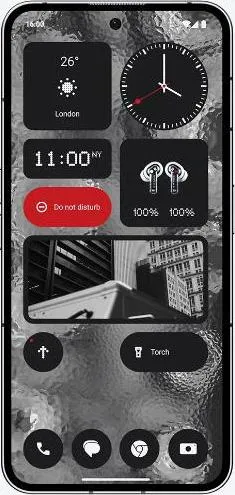
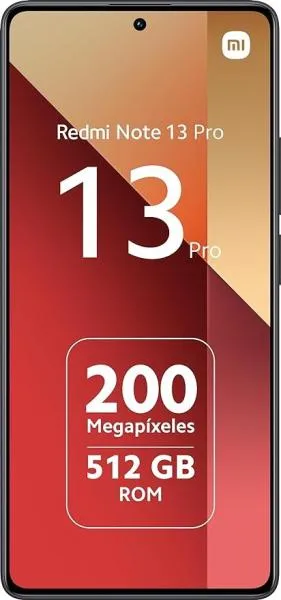
| Feature | Category | Nothing Phone (2) | Xiaomi Redmi Note 13 Pro 4G | Practical Impact |
|---|---|---|---|---|
| Dimensions | Design | 162.1 x 76.4 x 8.6 mm, 201.2g | 161.1 x 75 x 8 mm, 188g | The Redmi is slightly lighter and more compact, potentially making it more comfortable for one-handed use. |
| Build | Design | Build materials are not specified for either phone, limiting comparison. | ||
| Display Type | Display | LTPO OLED, 1B colors | AMOLED, 1B colors | Both offer vibrant colors and deep blacks. LTPO allows for more granular refresh rate control on the Nothing Phone (2), potentially saving battery. |
| Display Size | Display | 6.7" | 6.67" | Negligible size difference in real-world usage. |
| Resolution | Display | 1080 x 2412 | 1080 x 2400 | Virtually identical resolutions, resulting in similar sharpness. |
| Refresh Rate | Display | 120Hz | 120Hz | Both offer smooth scrolling and animations. |
| Peak Brightness | Display | 1600 nits | 1300 nits | The Nothing Phone (2) will be significantly more visible in direct sunlight. |
| Chipset | Performance | Snapdragon 8+ Gen 1 (4nm) | Mediatek Helio G99 Ultra | The Snapdragon 8+ Gen 1 offers significantly better performance in demanding tasks and gaming compared to the Helio G99. |
| CPU | Performance | Octa-core (1x3.0 GHz Cortex-X2 & 3x2.5 GHz Cortex-A710 & 4x1.80 GHz Cortex-A510) | Octa-core (2x2.2 GHz Cortex-A76 & 6x2.0 GHz Cortex-A55) | The Nothing Phone's CPU architecture is more powerful and efficient. |
| GPU | Performance | Adreno 730 | Mali-G57 MC2 | The Adreno 730 provides a much more powerful graphics rendering capability for gaming and other visually intensive applications. |
| RAM/Storage | Performance | 256GB/12GB, 512GB/12GB | 256GB/8GB, 512GB/12GB | Both offer ample storage. The Redmi offers a lower RAM option, which might impact multitasking performance. |
| Battery Capacity | Battery | 4700 mAh | 5000 mAh | The Redmi has a slightly larger battery, potentially offering longer battery life. However, real-world battery life depends on various factors including software optimization and display usage. |
| Charging Speed | Battery | Not specified | Not specified | Charging speed comparison is impossible due to missing information. |
| Main Camera | Camera | Not specified | Not specified | Camera quality comparison is not possible due to lack of sensor details. |
| Video Recording | Camera | 4K@30/60fps (HDR, OIS, EIS), 1080p@30/60fps (HDR, OIS, EIS) | 1080p@30/60fps | The Nothing Phone (2) offers superior video recording capabilities with 4K resolution, HDR, and stabilization (OIS/EIS). |
| OS | Software | Android 13 | Android 13 | Both run on the same base Android version. Long-term software updates are crucial but unknown. |
2. Key Differences Analysis
Nothing Phone (2) Advantages:
- Significantly more powerful processor and GPU: Superior performance for demanding tasks, gaming, and future-proofing.
- Brighter display: Much better visibility outdoors.
- Superior video recording: 4K resolution, HDR, and OIS/EIS offer significantly better video quality.
- More efficient display: LTPO technology can dynamically adjust refresh rate, potentially saving battery.
Xiaomi Redmi Note 13 Pro 4G Advantages:
- Larger battery: Potentially longer battery life, although real-world usage will vary.
- Slightly lighter and smaller: Potentially more comfortable for one-handed use.
- Potentially lower price: While both are mid-range, the Redmi might offer better value depending on the specific pricing.
3. User Profiles & Recommendations
Nothing Phone (2): Ideal for users who prioritize performance, a bright and vibrant display, high-quality video recording, and smooth user experience. Suitable for gamers, power users, and content creators.
Xiaomi Redmi Note 13 Pro 4G: Suitable for users who prioritize battery life, a compact form factor, and basic smartphone functionality. Best for budget-conscious users who primarily use their phones for communication, social media, and light browsing.
4. Decision Framework
Key Questions:
- What is your budget? The specific price difference will significantly influence the value proposition.
- What are your primary smartphone usage patterns? Gamers and power users will benefit from the Nothing Phone (2)'s performance. Casual users might find the Redmi sufficient.
- How important is display quality and brightness? The Nothing Phone (2) offers a significant advantage in outdoor visibility.
Scenario-Based Recommendations:
- Heavy gamer: Nothing Phone (2)
- Budget-conscious social media user: Redmi Note 13 Pro 4G
- Photographer/Videographer: Nothing Phone (2)
My Choice: Nothing Phone (2)
Reasoning: The significantly superior performance of the Snapdragon 8+ Gen 1, the brighter display for outdoor use, and the advanced video recording capabilities outweigh the Redmi's slightly larger battery and smaller form factor for me. The Nothing Phone (2) offers better long-term value due to its future-proof performance and superior features, even if it comes at a slight premium. While battery life is important, the difference is likely not substantial enough to offset the performance gap, especially considering the potential battery savings from the LTPO display. The Redmi's lack of detailed camera specifications makes a comprehensive comparison difficult, but the confirmed video capabilities of the Nothing Phone(2) highlight a clear advantage in content creation.
