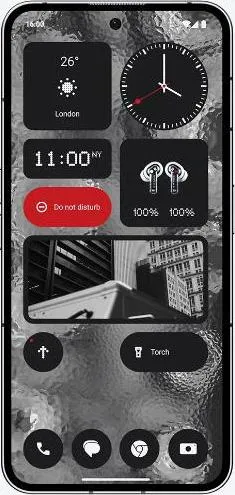
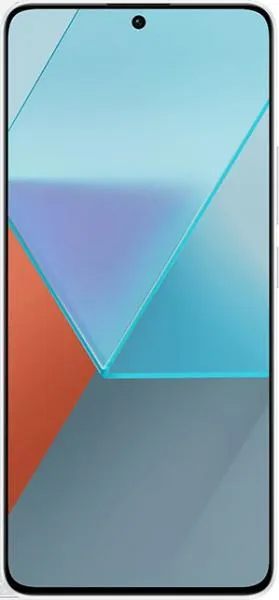
1. Specifications Comparison
| Feature | Nothing Phone (2) | Xiaomi Redmi Note 13 Pro | Practical Impact |
|---|---|---|---|
| Design | |||
| Dimensions | 162.1 x 76.4 x 8.6 mm | 161.2 x 74.2 x 8.0 mm | Virtually identical in size, negligible difference in hand feel. |
| Weight | 201.2 g | 187 g | Redmi is noticeably lighter, reducing hand fatigue during extended use. |
| Build | Material information missing for both, preventing comparison of durability and premium feel. | ||
| Display | |||
| Size | 6.7" | 6.67" | Negligible size difference. |
| Type | LTPO OLED | AMOLED | Both offer excellent color and contrast. LTPO allows for dynamic refresh rate, potentially saving battery. |
| Resolution | 1080 x 2412 | 1220 x 2712 | Redmi has a sharper display (higher pixel density), resulting in crisper text and images. |
| Peak Brightness | 1600 nits | 1800 nits | Redmi offers slightly better visibility in direct sunlight. |
| Performance | |||
| Chipset | Snapdragon 8+ Gen 1 | Snapdragon 7s Gen 2 | Nothing Phone (2) has a significantly more powerful processor, leading to smoother multitasking, faster app loading, and better gaming performance. |
| CPU | Octa-core (1x3.0 GHz Cortex-X2 & 3x2.5 GHz Cortex-A710 & 4x1.80 GHz Cortex-A510) | Octa-core (4x2.40 GHz Cortex-A78 & 4x1.95 GHz Cortex-A55) | The superior CPU architecture of the Nothing Phone (2) provides a substantial performance advantage in demanding tasks. |
| GPU | Adreno 730 | Adreno 710 | Nothing Phone (2) offers superior graphics performance, beneficial for gaming and graphically intensive applications. |
| RAM | 12GB | 8GB/12GB | Both offer ample RAM for smooth multitasking; however, some Redmi variants have less RAM, potentially limiting performance. |
| Storage | 256GB/512GB | 256GB/512GB | Comparable storage options. |
| Camera | |||
| Rear Camera | Missing detailed specs | Missing detailed specs | Insufficient information to compare camera quality and features. |
| Video | 4K@60fps (HDR, OIS, EIS) | 4K@30fps (EIS) | Nothing Phone (2) supports higher resolution and frame rate video recording with OIS for smoother footage. |
| Battery | |||
| Capacity | 4700 mAh | 5100 mAh | Redmi offers a larger battery, potentially leading to longer battery life. However, real-world usage depends on optimization. |
2. Key Differences Analysis
Nothing Phone (2) Advantages:
- Significantly more powerful processor: Resulting in a smoother and more responsive overall experience.
- Better GPU: Enabling superior gaming and handling of graphically demanding tasks.
- Higher quality video recording: Offering higher resolution, frame rate, and optical image stabilization.
Xiaomi Redmi Note 13 Pro Advantages:
- Sharper Display: Providing clearer visuals due to higher pixel density.
- Larger Battery: Potentially leading to longer usage time between charges.
- Lighter Weight: More comfortable for extended use.
- More Color Options: Offering greater personalization.
3. User Profiles & Recommendations
Nothing Phone (2): Ideal for users who prioritize performance, smooth multitasking, gaming, and high-quality video recording. Power users, mobile gamers, and content creators would benefit from its superior processing capabilities.
Xiaomi Redmi Note 13 Pro: Suitable for users who prioritize battery life, a sharp display, and a lightweight design. Casual users, social media enthusiasts, and those who consume media primarily would find this phone a good fit. The lower price point of some variants makes it attractive for budget-conscious buyers.
4. Decision Framework
Key Questions for Buyers:
- What is your budget? The Redmi Note 13 Pro likely offers a lower entry price with its various RAM/storage configurations.
- What are your primary smartphone usage patterns? Gamers and power users will lean towards the Nothing Phone (2), while casual users might prefer the Redmi Note 13 Pro.
- How important is battery life to you? While real-world usage will vary, the Redmi Note 13 Pro's larger battery suggests longer potential usage time.
My Choice: Nothing Phone (2)
While the Redmi Note 13 Pro offers a sharper display and larger battery, the significantly superior performance of the Nothing Phone (2) is the deciding factor for me. The Snapdragon 8+ Gen 1 provides a noticeable difference in day-to-day use, future-proofing the device for demanding applications and ensuring a smoother overall experience. I prioritize performance and responsiveness, making the Nothing Phone (2) the better choice despite its slightly higher weight and potentially shorter battery life. The superior video recording capabilities are also a plus for me. However, if budget is a major constraint, the Redmi Note 13 Pro offers excellent value for its price.
