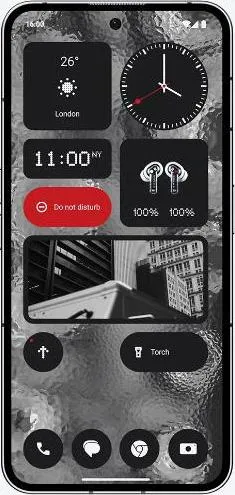
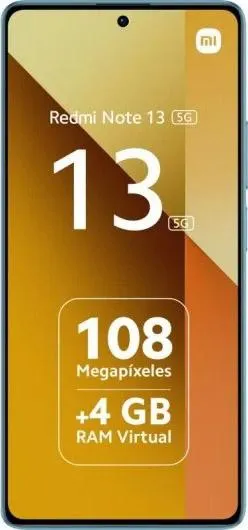
1. Specifications Comparison
| Feature | Nothing Phone (2) | Xiaomi Redmi Note 13 | Practical Impact |
|---|---|---|---|
| Design | |||
| Dimensions (mm) | 162.1 x 76.4 x 8.6 | 161.1 x 75 x 7.6 | Redmi Note 13 is slightly smaller and thinner, potentially improving one-handed use. |
| Weight (g) | 201.2 | 174.5 | Redmi Note 13 is noticeably lighter, reducing hand fatigue during extended use. |
| Build Materials | Not specified | Not specified | Build material impacts durability and premium feel; information is missing for both. |
| Fingerprint Sensor | Under display | Side-mounted | Preference-based; under-display is modern, side-mounted is often faster and more reliable. |
| Display | |||
| Display Type | LTPO OLED | AMOLED | Both offer vibrant colors and deep blacks. LTPO allows for dynamic refresh rate adjustment, potentially saving battery. |
| Size (inches) | 6.7 | 6.67 | Negligible size difference. |
| Resolution | 1080 x 2412 | 1080 x 2400 | Virtually identical pixel density, resulting in similar sharpness. |
| Refresh Rate (Hz) | 120 | 120 | Both offer smooth scrolling and animations. |
| Peak Brightness (nits) | 1600 | 1000 | Nothing Phone (2) will be significantly more readable in direct sunlight. |
| Performance | |||
| Chipset | Snapdragon 8+ Gen 1 | Mediatek Dimensity 6080 | Snapdragon 8+ Gen 1 offers significantly better performance in demanding tasks and gaming. |
| CPU | Octa-core (1x3.0 GHz Cortex-X2 & 3x2.5 GHz Cortex-A710 & 4x1.80 GHz Cortex-A510) | Octa-core (2x2.4 GHz Cortex-A76 & 6x2.0 GHz Cortex-A55) | Superior core configuration on the Nothing Phone (2) translates to faster processing speeds and better multitasking. |
| GPU | Adreno 730 | Mali-G57 MC2 | Adreno 730 provides a substantial advantage in graphics performance for gaming and visually intensive applications. |
| RAM/Storage | 256GB/12GB, 512GB/12GB | 256GB/8GB, 256GB/12GB | Both offer ample storage. Nothing Phone (2)'s base model offers more RAM, benefiting multitasking. |
| Camera | |||
| Rear Camera Specs | Not specified | Not specified | Insufficient information to compare camera quality. |
| Video Capabilities | 4K@30/60fps (HDR, OIS, EIS), 1080p@30/60fps (HDR, OIS, EIS) | 1080p@30fps | Nothing Phone (2) offers significantly better video recording capabilities with higher resolution, frame rates, and stabilization. |
| Battery | |||
| Capacity (mAh) | 4700 | 5000 | Redmi Note 13 has a slightly larger battery, potentially offering longer battery life. |
2. Key Differences Analysis
Nothing Phone (2) Advantages:
- Significantly more powerful: The Snapdragon 8+ Gen 1 offers a substantial performance advantage for demanding tasks, gaming, and future-proofing.
- Brighter Display: Much higher peak brightness ensures excellent outdoor visibility.
- Superior Video Recording: Offers 4K resolution, higher frame rates, and optical image stabilization.
Xiaomi Redmi Note 13 Advantages:
- Lower Price: Positioned in the "low price" range, offering greater affordability.
- Larger Battery: Slightly larger battery capacity may result in longer battery life.
- Lighter and Slightly Smaller: Easier to handle and carry.
Trade-offs:
- Performance vs. Price: Nothing Phone (2)'s superior performance comes at a higher price.
- Battery Life vs. Features: Redmi Note 13's potentially longer battery life might be offset by its less powerful processor.
3. User Profiles & Recommendations
Nothing Phone (2): Ideal for users who prioritize performance, a vibrant display for media consumption, and advanced video recording capabilities. Suitable for demanding tasks like gaming, video editing, and multitasking.
Xiaomi Redmi Note 13: Best suited for budget-conscious users who prioritize battery life and ease of use for everyday tasks like browsing, social media, and communication. Less suitable for demanding applications or heavy gaming.
4. Decision Framework
Key Questions for Buyers:
- What is your budget? The Redmi Note 13 is significantly more affordable.
- What are your primary smartphone usage patterns? Heavy users will appreciate the Nothing Phone (2)'s performance, while casual users might find the Redmi Note 13 sufficient.
- Which features are most important to you? Prioritize performance and display quality? Choose the Nothing Phone (2). Prioritize battery life and affordability? Choose the Redmi Note 13.
My Choice: Nothing Phone (2)
While the Redmi Note 13 offers good value for its price, the Nothing Phone (2)'s superior performance, brighter display, and advanced video capabilities are more compelling to me. I prioritize a smooth and responsive user experience, especially for gaming and multitasking. The price difference is justifiable for the significant jump in overall quality and future-proofing offered by the Snapdragon 8+ Gen 1. While battery life is important, I'd rather carry a power bank than compromise on performance. The brighter display is a crucial factor for outdoor usability.
