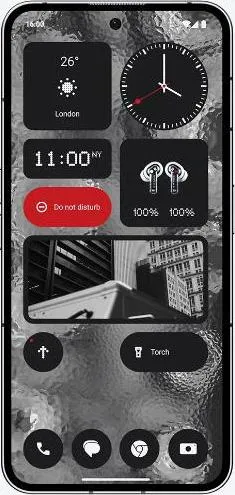
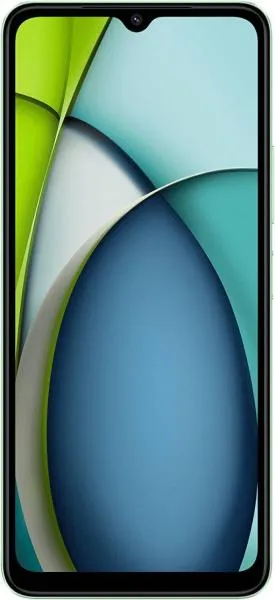
1. Specifications Comparison
| Feature | Nothing Phone (2) | Xiaomi Redmi A3x | Practical Impact |
|---|---|---|---|
| Design | |||
| Dimensions | 162.1 x 76.4 x 8.6 mm | 168.4 x 76.3 x 8.3 mm | Redmi A3x is slightly taller and thicker, but negligibly thinner. |
| Weight | 201.2 g | 193 g | The Nothing Phone (2) feels slightly heavier. |
| Build Materials | Not specified | Not specified | Build quality and durability cannot be compared without further information. |
| Display | |||
| Display Type | LTPO OLED, 1B colors, 120Hz | IPS LCD, 90Hz | Nothing Phone (2) offers superior visual quality with deeper blacks, more vibrant colors, and smoother scrolling thanks to the OLED display and higher refresh rate. |
| Display Size | 6.7" | 6.71" | Negligible size difference. |
| Resolution | 1080 x 2412 | 720 x 1650 | Nothing Phone (2) has a significantly sharper display (394 ppi vs 268 ppi), resulting in crisper text and images. |
| Peak Brightness | 1600 nits | 500 nits (typical), unspecified peak | Nothing Phone (2) will be much more visible in direct sunlight. |
| Performance | |||
| Chipset | Snapdragon 8+ Gen 1 (4nm) | Unisoc T603 (22nm) | Nothing Phone (2) boasts a flagship-level processor offering significantly faster performance, smoother multitasking, and better gaming capabilities compared to the budget-oriented Unisoc T603. |
| CPU | Octa-core (1x3.0 GHz Cortex-X2 & 3x2.5 GHz Cortex-A710 & 4x1.80 GHz Cortex-A510) | Octa-core 1.8 GHz | More detailed CPU information on the Nothing Phone (2) indicates a much more powerful and efficient configuration. |
| GPU | Adreno 730 | Information not sufficiently detailed | The Adreno 730 offers superior graphics performance for demanding games and applications. The Redmi A3x's GPU performance is unclear. |
| RAM | 12GB | 4GB | The Nothing Phone (2)'s larger RAM capacity enables smoother multitasking and better performance with demanding applications. |
| Storage | 256GB/512GB | 128GB | Nothing Phone offers more storage options. |
| Camera | |||
| Rear Camera | Not specified | Not specified | Camera quality cannot be objectively compared without specific sensor details and features. |
| Video | 4K@30/60fps (OIS, EIS), 1080p@30/60fps | 1080p@30fps | The Nothing Phone (2) supports higher resolution and frame rate video recording with optical and electronic image stabilization. |
| Battery | |||
| Capacity | 4700 mAh | 5000 mAh | Redmi A3x has a slightly larger battery capacity, but real-world battery life depends on numerous factors, including software optimization and display efficiency. |
| Other | |||
| OS | Android 13 | Android 14 | Redmi A3x launches with a newer Android version. |
| NFC | Yes | No | Nothing Phone (2) supports contactless payments and data transfer via NFC. |
| Price Range | Medium | Low | The Redmi A3x is significantly more affordable. |
2. Key Differences Analysis
Nothing Phone (2) Advantages:
- Significantly higher performance: The Snapdragon 8+ Gen 1 offers a substantial performance advantage for demanding tasks and gaming.
- Superior Display: The LTPO OLED display with 120Hz refresh rate delivers vibrant colors, deep blacks, and smoother scrolling.
- More RAM and Storage: Provides a smoother user experience and ample space for apps and files.
- NFC: Enables contactless payments and other convenient features.
- Brighter Display: Much more usable outdoors.
Xiaomi Redmi A3x Advantages:
- Lower Price: Significantly more affordable.
- Larger Battery: Potentially longer battery life, though real-world usage may vary.
- Newer Android Version: Ships with Android 14.
Trade-offs:
- Performance vs. Price: The Nothing Phone (2)'s superior performance comes at a higher price.
- Features vs. Affordability: The Redmi A3x sacrifices premium features like NFC and a high-refresh-rate display for a lower price point.
3. User Profiles & Recommendations
Nothing Phone (2): Ideal for users who prioritize performance, a high-quality display, and premium features. Suitable for demanding tasks like gaming, content creation, and multitasking.
Xiaomi Redmi A3x: Suitable for budget-conscious users who prioritize basic functionality and long battery life. Best for everyday tasks like calling, texting, web browsing, and social media.
4. Decision Framework
Key Questions:
- What is your budget? The Redmi A3x is a budget option, while the Nothing Phone (2) is a mid-range device.
- What are your primary smartphone uses? Demanding tasks require the Nothing Phone (2)'s power; basic use will be fine with the Redmi A3x.
- Which features are most important to you? Prioritize performance and display quality? Choose the Nothing Phone (2). Prioritize affordability and battery life? Choose the Redmi A3x.
My Choice: Nothing Phone (2)
While the Redmi A3x offers excellent value for its price, the Nothing Phone (2)'s superior performance, stunning display, and inclusion of features like NFC make it the better choice for me. I prioritize a smooth and responsive user experience, and the Snapdragon 8+ Gen 1, coupled with the 120Hz OLED display, delivers that in spades. The higher price is justified by the significant jump in quality and overall user experience. While battery life is a consideration, I'm willing to potentially sacrifice a bit of longevity for the overall performance gains. The lack of NFC on the Redmi A3x is a dealbreaker for me, as I rely on contactless payments frequently.
