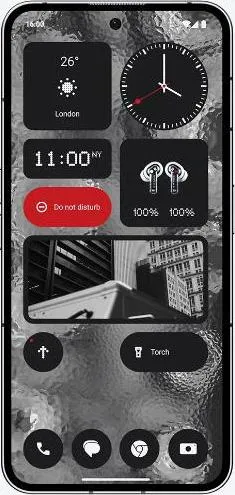
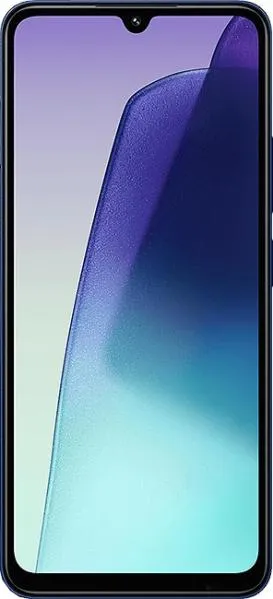
1. Specifications Comparison
| Feature | Nothing Phone (2) | Xiaomi Redmi 14C | Practical Impact | |
|---|---|---|---|---|
| Design | ||||
| Dimensions | 162.1 x 76.4 x 8.6 mm | 171.9 x 77.8 x 8.2 mm | The Redmi 14C is noticeably larger and slightly thinner. The Nothing Phone (2) might feel more compact and easier to handle for some. | |
| Weight | 201.2 g | 211 g | The Redmi 14C is heavier, potentially leading to more fatigue during extended use. | |
| Build Material | Not specified | Not specified | Build material impacts durability and premium feel. Lack of information limits comparison in this area. | |
| Display | ||||
| Display Type | LTPO OLED | IPS LCD | The Nothing Phone (2)'s OLED offers significantly better contrast, deeper blacks, and wider viewing angles. | |
| Display Size | 6.7" | 6.88" | The Redmi 14C has a slightly larger screen, providing more screen real estate but at a lower resolution. | |
| Resolution | 1080 x 2412 | 720 x 1640 | The Nothing Phone (2) has a much sharper display due to its significantly higher pixel density (394 ppi vs 260 ppi). | |
| Refresh Rate | 120Hz | 120Hz | Both phones offer smooth scrolling and animations thanks to the 120Hz refresh rate. | |
| Peak Brightness | 1600 nits | 600 nits (HBM) | The Nothing Phone (2) gets dramatically brighter, ensuring better outdoor visibility. | |
| Performance | ||||
| Chipset | Snapdragon 8+ Gen 1 | Helio G81 Ultra | The Snapdragon 8+ Gen 1 in the Nothing Phone (2) offers vastly superior performance in demanding tasks and gaming. | |
| CPU | Octa-core (1x3.0 GHz...) | Octa-core (2x2.0 GHz...) | The Nothing Phone (2)'s CPU is significantly more powerful, resulting in faster app loading, smoother multitasking, and better gaming. | |
| GPU | Adreno 730 | Mali-G52 MC2 | The Adreno 730 provides a considerably better gaming experience with higher frame rates and detailed graphics. | |
| RAM | 12GB | 6GB/8GB | The Nothing Phone (2)'s 12GB RAM allows for more apps to run in the background and smoother multitasking. | |
| Storage | 256GB/512GB | 128GB | The Nothing Phone (2) offers more storage options, catering to users with large media libraries. | |
| Camera | ||||
| Video Capabilities | 4K@30/60fps (OIS, EIS) | 1080p@30fps | The Nothing Phone (2) supports higher resolution video recording with optical and electronic image stabilization for smoother footage. | |
| Specific Camera Details | Not specified | Not specified | Lack of detailed camera specs (sensor size, aperture) limits a comprehensive camera comparison. | |
| Battery | ||||
| Capacity | 4700 mAh | 5160 mAh | The Redmi 14C boasts a larger battery capacity, potentially offering longer battery life. | |
| Charging Speed | Not specified | Not specified | Lack of charging speed information limits comparison in this crucial aspect. |
2. Key Differences Analysis
Nothing Phone (2) Advantages:
- Significantly more powerful: The Snapdragon 8+ Gen 1 provides a substantial performance advantage for demanding tasks and gaming.
- Superior Display: The LTPO OLED offers vibrant colors, deep blacks, and higher brightness compared to the Redmi 14C's LCD.
- More RAM and Storage: The 12GB RAM ensures smooth multitasking, while the larger storage options accommodate large files and apps.
- Higher Quality Video Recording: Supports 4K video recording with OIS and EIS.
Xiaomi Redmi 14C Advantages:
- Larger Battery: The 5160mAh battery potentially offers longer usage time.
- Potentially Lower Price: While both are in the "medium price" range, the Redmi 14C might be positioned at the lower end.
- More Color Options: Offers a wider variety of color choices.
Trade-offs:
- Performance vs. Battery Life: The Nothing Phone (2) prioritizes performance, potentially at the cost of battery life compared to the Redmi 14C.
- Premium Features vs. Price: The Nothing Phone (2) offers premium features like a high-end display and processor, but likely comes at a higher price point within the "medium price" range.
3. User Profiles & Recommendations
Nothing Phone (2): Ideal for users who prioritize performance, a high-quality display, and smooth multitasking. Suitable for gaming, content creation, and power users.
Xiaomi Redmi 14C: Suitable for users who prioritize battery life, basic functionality, and affordability. Best for casual users primarily focused on communication, web browsing, and light media consumption.
4. Decision Framework
Key Questions:
- What is your budget? Determine the acceptable price range within the "medium price" category.
- What are your primary smartphone usage patterns? Identify your most frequent tasks (gaming, photography, social media, etc.).
- Which features are most important to you? Prioritize performance, battery life, display quality, or other factors.
Scenario-Based Recommendations:
- Gamer/Power User: Nothing Phone (2)
- Casual User/Budget Conscious: Xiaomi Redmi 14C
My Choice: Nothing Phone (2)
While lacking specific pricing and detailed camera information, the Nothing Phone (2) is the clear winner for me. Its superior performance, stunning display, ample RAM and storage, and advanced video recording capabilities outweigh the potential benefits of the Redmi 14C's larger battery. I prioritize a smooth and responsive user experience, high-quality visuals, and the ability to handle demanding tasks. The Redmi 14C, while potentially offering longer battery life, makes too many compromises on key aspects like processing power and display quality. I am willing to sacrifice some battery life for a significantly better overall user experience.
