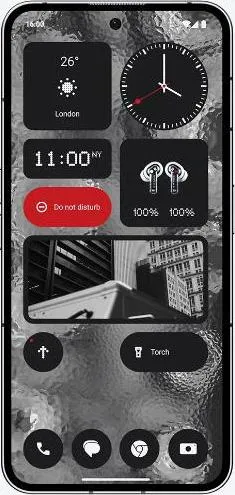
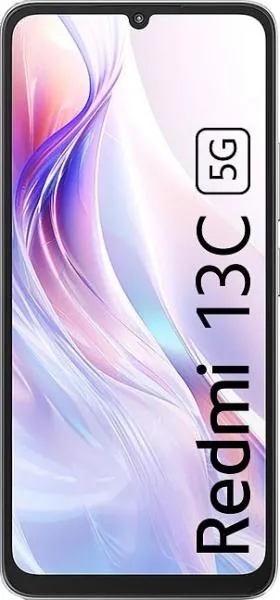
1. Specifications Comparison
| Feature | Nothing Phone (2) | Xiaomi Redmi 13C 5G | Practical Impact |
|---|---|---|---|
| Design | |||
| Dimensions | 162.1 x 76.4 x 8.6 mm | 168 x 78 x 8.1 mm | The Redmi 13C is slightly larger and may feel less comfortable in some hands. |
| Weight | 201.2 g | 192 g | The Redmi 13C is noticeably lighter. |
| Build | Glass front, aluminum frame | Missing Information | Build quality impact on durability and feel is unknown without Redmi's material details. |
| Display | |||
| Display Type | LTPO OLED, 1B colors, 120Hz | IPS LCD, 90Hz | The Nothing Phone (2) offers significantly better contrast, colors, and smoother scrolling due to OLED technology and higher refresh rate. |
| Resolution | 1080 x 2412 | 720 x 1600 | The Nothing Phone (2) has a much sharper display. Images and text will appear clearer. |
| Peak Brightness | 1600 nits | 600 nits (HBM) | The Nothing Phone (2) will be much more readable in direct sunlight. |
| Performance | |||
| Chipset | Snapdragon 8+ Gen 1 | MediaTek Dimensity 6100+ | The Snapdragon 8+ Gen 1 in the Nothing Phone (2) is significantly more powerful, leading to smoother multitasking, faster app loading, and better gaming performance. |
| CPU | Octa-core (1x3.0 GHz Cortex-X2 & 3x2.5 GHz Cortex-A710 & 4x1.80 GHz Cortex-A510) | Octa-core (2x2.2 GHz Cortex-A76 & 6x2.0 GHz Cortex-A55) | The Nothing Phone (2)'s CPU architecture is more modern and powerful. |
| GPU | Adreno 730 | Mali-G57 MC2 | The Adreno 730 provides a substantial advantage in graphics performance for demanding games and applications. |
| RAM | 12GB | 6GB | The Nothing Phone (2) having double the RAM allows for more apps to run in the background without performance slowdown. |
| Camera | |||
| Video Capabilities | 4K@30/60fps (HDR, OIS, EIS), 1080p@30/60fps (HDR, OIS, EIS) | 1080p@30fps | The Nothing Phone (2) offers superior video recording capabilities with higher resolution, frame rates, and stabilization. Information on Redmi 13C camera resolution and features is missing, limiting comparison. |
| Battery | |||
| Capacity | 4700 mAh | 5000 mAh | The Redmi 13C has a slightly larger battery capacity, potentially offering longer battery life. However, real-world usage will depend on software optimization and power efficiency of the display and chipset. |
2. Key Differences Analysis
Nothing Phone (2) Advantages:
- Significantly more powerful: Superior CPU, GPU, and more RAM translate to a smoother and faster overall experience, especially for demanding tasks and gaming.
- Much better display: OLED technology, higher resolution, refresh rate, and peak brightness lead to a vastly improved visual experience.
- Superior video recording: Offers higher resolution, frame rates, and stabilization features.
Xiaomi Redmi 13C 5G Advantages:
- Larger battery: Potentially longer battery life, but real-world performance depends on other factors.
- Lighter weight: Might be more comfortable for extended use.
- Potentially Lower Price: While both are in the "medium price" range, specific pricing information is needed to confirm.
3. User Profiles & Recommendations
Nothing Phone (2): Ideal for users who prioritize performance, a premium display, and a smooth user experience. Suitable for gaming, content creation, and multitasking.
Xiaomi Redmi 13C 5G: Potentially a good option for budget-conscious users who prioritize battery life and basic functionality. Best suited for light usage like calling, texting, and browsing.
4. Decision Framework
Key Questions for Buyers:
- What is your budget? The specific price difference will significantly impact the value proposition of each phone.
- What are your primary use cases? Gaming, content consumption, or basic communication needs?
- How important is display quality and performance? Are you willing to sacrifice some battery life for a better visual and overall experience?
My Choice
I would choose the Nothing Phone (2). While the Redmi 13C 5G might offer slightly longer battery life and a lower price (unconfirmed), the Nothing Phone (2) provides a significantly superior user experience across the board. The vastly improved display, powerful performance, and better camera capabilities outweigh the minor advantages of the Redmi 13C 5G for me. The difference in chipset, display quality, and RAM would result in a much more enjoyable daily usage experience. The potential price difference is likely justified by the substantial performance gap. I value a smooth and responsive phone over slightly longer battery life, especially considering that the battery difference is relatively small.
