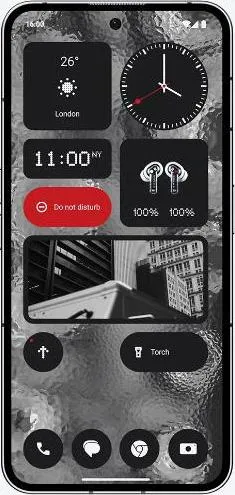
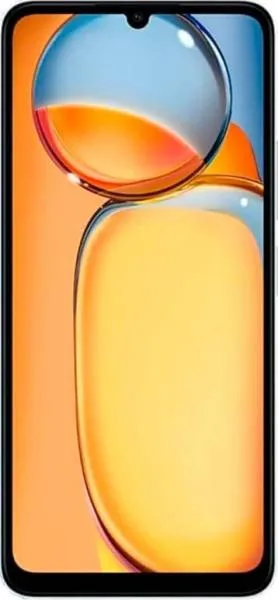
1. Specifications Comparison
| Feature | Nothing Phone (2) | Xiaomi Redmi 13C | Practical Impact |
|---|---|---|---|
| Design | |||
| Dimensions (mm) | 162.1 x 76.4 x 8.6 | 168 x 78 x 8.1 | The Redmi 13C is noticeably larger and slightly thicker. |
| Weight (g) | 201.2 | 192 | The Nothing Phone (2) is slightly heavier. |
| Build | Glass front (Gorilla Glass), aluminum frame | Plastic frame, glass front | The Nothing Phone (2) offers a more premium build with Gorilla Glass and an aluminum frame. |
| Display | |||
| Display Type | LTPO OLED, 1B colors, 120Hz | IPS LCD, 90Hz | The Nothing Phone (2) boasts a superior display with vibrant colors, deeper blacks, and smoother scrolling thanks to OLED technology and a 120Hz refresh rate. |
| Size (inches) | 6.7 | 6.74 | Negligible size difference. |
| Resolution | 1080 x 2412 | 720 x 1600 | Significantly sharper and more detailed visuals on the Nothing Phone (2). The lower resolution on the Redmi 13C will be noticeable in everyday use. |
| Peak Brightness (nits) | 1600 | 600 (HBM), 450 (typ) | The Nothing Phone (2) will be much more readable in direct sunlight. |
| Performance | |||
| Chipset | Snapdragon 8+ Gen 1 (4nm) | Helio G85 (12nm) | The Snapdragon 8+ Gen 1 in the Nothing Phone (2) is significantly more powerful, resulting in much faster performance for demanding tasks and gaming. |
| CPU | Octa-core (1x3.0 GHz Cortex-X2 & 3x2.5 GHz Cortex-A710 & 4x1.80 GHz Cortex-A510) | Octa-core (2x2.0 GHz Cortex-A75 & 6x1.8 GHz Cortex-A55) | The Nothing Phone (2) has a more powerful and efficient CPU architecture. |
| GPU | Adreno 730 | Mali-G52 MC2 | The Adreno 730 offers a substantial performance advantage for gaming and graphics-intensive applications. |
| RAM/Storage | 256GB/12GB, 512GB/12GB | 128GB/6GB, 256GB/8GB | The Nothing Phone (2) offers more RAM and storage in its base configuration, enabling smoother multitasking and more space for apps and files. |
| Camera | |||
| Rear Camera | Details not provided | Details not provided | Insufficient information to compare camera quality. |
| Video | 4K@30/60fps, 1080p@30/60fps | 1080p@30fps | The Nothing Phone (2) supports higher resolution and frame rate video recording. |
| Battery | |||
| Capacity (mAh) | 4700 | 5000 | The Redmi 13C has a slightly larger battery capacity, but real-world battery life will depend on other factors like display and processor efficiency. |
2. Key Differences Analysis
Nothing Phone (2) Advantages:
- Significantly more powerful: The Snapdragon 8+ Gen 1 offers a substantial performance advantage for demanding tasks, gaming, and smooth multitasking.
- Superior display: The LTPO OLED display with 120Hz refresh rate provides vibrant colors, deeper blacks, and smoother scrolling.
- Premium build: The combination of Gorilla Glass and aluminum frame feels more premium and durable.
Xiaomi Redmi 13C Advantages:
- Larger battery: Potentially longer battery life, although this depends on usage patterns.
- Lower price: Positioned in the low price range, making it more budget-friendly.
3. User Profiles & Recommendations
Nothing Phone (2): Ideal for users who prioritize performance, a high-quality display, and a premium design. Suitable for demanding tasks like gaming, content creation, and heavy multitasking.
Xiaomi Redmi 13C: Best suited for budget-conscious users who prioritize basic functionality and long battery life. Suitable for everyday tasks like browsing, social media, and light gaming.
4. Decision Framework
Key Questions for Buyers:
- What is your budget? The Redmi 13C is significantly cheaper.
- What are your performance needs? The Nothing Phone (2) is far more powerful.
- How important is display quality? The Nothing Phone (2)'s OLED display is significantly better.
My Choice: Nothing Phone (2)
While the Redmi 13C offers excellent value for its price, the Nothing Phone (2)'s superior performance, stunning display, and premium build are compelling. The Snapdragon 8+ Gen 1 ensures a smooth and lag-free experience for years to come, and the vibrant OLED display is a joy to use. The price difference is significant, but for me, the long-term performance and user experience benefits of the Nothing Phone (2) justify the higher cost. I prioritize a smooth and enjoyable user experience, and the Nothing Phone (2) delivers that in spades.
