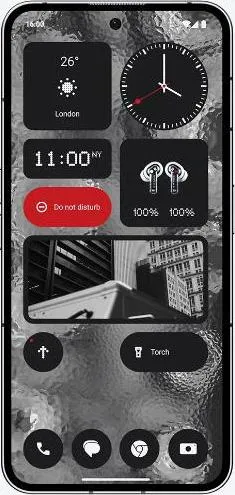
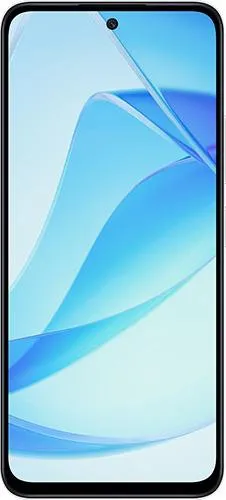
1. Specifications Comparison
| Feature | Nothing Phone (2) | Xiaomi Redmi 12 5G | Practical Impact |
|---|---|---|---|
| Design | |||
| Dimensions | 162.1 x 76.4 x 8.6 mm | 168.6 x 76.3 x 8.2 mm | Redmi 12 5G is slightly taller and thinner. Negligible difference in daily use. |
| Weight | 201.2 g | 199 g | Virtually identical weight. |
| Build | Glass front (Gorilla Glass), aluminum frame | Glass front (Gorilla Glass 3), plastic frame | Nothing Phone (2) feels more premium due to the aluminum frame. |
| Display | |||
| Type | LTPO OLED, 1B colors, 120Hz | IPS LCD, 90Hz | Nothing Phone (2) offers significantly better contrast, deeper blacks, and smoother scrolling due to OLED and 120Hz. |
| Size | 6.7" | 6.79" | Negligible size difference. |
| Resolution | 1080 x 2412 | 1080 x 2460 | Nearly identical resolution; sharpness will be similar. |
| Peak Brightness | 1600 nits | 550 nits | Nothing Phone (2) will be far more visible in direct sunlight. |
| Performance | |||
| Chipset | Snapdragon 8+ Gen 1 | Snapdragon 4 Gen 2 | Massive performance difference. Nothing Phone (2) will handle demanding tasks and gaming much better. |
| CPU | Octa-core (1x3.0 GHz Cortex-X2 & 3x2.5 GHz Cortex-A710 & 4x1.80 GHz Cortex-A510) | Octa-core (2x2.2 GHz Cortex-A78 & 6x1.95 GHz Cortex-A55) | Nothing Phone (2)'s CPU is significantly faster and more powerful. |
| GPU | Adreno 730 | Adreno 613 | Nothing Phone (2) offers a much more powerful GPU for gaming and graphics-intensive applications. |
| RAM/Storage | 256GB/12GB, 512GB/12GB | 128GB/6GB | Nothing Phone (2) offers more RAM and storage options for better multitasking and file storage. |
| Camera | |||
| Video | 4K@30/60fps (HDR, OIS, EIS), 1080p@30/60fps (HDR, OIS, EIS) | 1080p@30fps | Nothing Phone (2) provides higher resolution and frame rate video recording with stabilization. |
| Battery | |||
| Capacity | 4700 mAh | 5000 mAh | Redmi 12 5G has a slightly larger battery capacity, but real-world battery life depends on various factors including display type and processor efficiency. |
2. Key Differences Analysis
Nothing Phone (2) Advantages:
- Significantly superior performance: Snapdragon 8+ Gen 1 provides a flagship-level experience for demanding tasks and gaming.
- Much better display: OLED with 120Hz refresh rate offers superior visuals and smoother scrolling.
- Brighter Display: 1600 nits peak brightness ensures outdoor visibility.
- More versatile camera: Higher resolution video recording capabilities.
- More premium build: Aluminum frame contributes to a more durable and high-quality feel.
Xiaomi Redmi 12 5G Advantages:
- Larger battery capacity: Potentially longer battery life, though real-world usage will vary.
- Lower price: Offers a more budget-friendly option. (Assumed based on general market trends for Snapdragon 4 Gen 2 devices, since specific price isn't provided).
3. User Profiles & Recommendations
Nothing Phone (2): Ideal for users who prioritize performance, a high-quality display, and a premium feel. Suitable for demanding tasks like gaming, content creation, and multitasking.
Xiaomi Redmi 12 5G: Best suited for budget-conscious users who prioritize basic functionality and potentially longer battery life. Suitable for everyday tasks like web browsing, social media, and casual gaming.
4. Decision Framework
Key Questions:
- What is your budget? The Nothing Phone (2) is expected to be more expensive.
- What are your primary use cases? Demanding tasks and gaming favor the Nothing Phone (2), while basic usage favors the Redmi 12 5G.
- How important is display quality? The Nothing Phone (2)'s OLED display is significantly better.
My Choice: Nothing Phone (2)
While the Redmi 12 5G might offer better battery life and a lower price, the Nothing Phone (2)'s superior performance, vastly improved display, and more premium build are decisive factors for me. The Snapdragon 8+ Gen 1 provides a future-proof experience, ensuring smooth performance for years to come. The OLED display with 120Hz is a game-changer for visual quality and responsiveness. I prioritize these aspects over a slightly larger battery and potential cost savings. The significantly brighter display is also crucial for comfortable outdoor use.
