1. Specifications Comparison
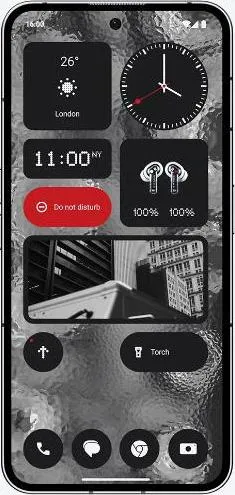
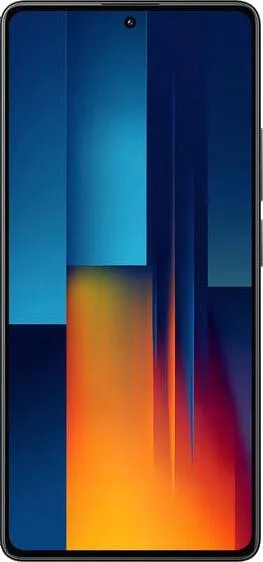
| Feature | Category | Nothing Phone (2) | Xiaomi Poco M6 Pro | Practical Impact |
|---|---|---|---|---|
| Dimensions | Design | 162.1 x 76.4 x 8.6 mm, 201.2g | 161.1 x 75 x 8 mm, 179g | Poco M6 Pro is slightly lighter and more compact, potentially improving one-handed usability. |
| Build | Design | Build materials are not specified for either phone, limiting comparison. | ||
| Display Type | Display | LTPO OLED, 1B colors | AMOLED | Both offer vibrant colors and deep blacks. LTPO allows for dynamic refresh rate adjustment on the Nothing Phone (2), potentially saving battery. |
| Display Size | Display | 6.7" | 6.67" | Negligible size difference. |
| Resolution | Display | 1080 x 2412 | 1080 x 2400 | Virtually identical pixel density, resulting in similar sharpness. |
| Refresh Rate | Display | 120Hz | 120Hz | Both offer smooth scrolling and animations. |
| Peak Brightness | Display | 1600 nits | 1300 nits | The Nothing Phone (2) will be significantly more visible in direct sunlight. |
| Chipset | Performance | Snapdragon 8+ Gen 1 | Helio G99 Ultra | Significant performance difference. Snapdragon 8+ Gen 1 offers much higher processing power for demanding tasks and gaming. |
| CPU | Performance | Octa-core (1x3.0 GHz Cortex-X2 & 3x2.5 GHz Cortex-A710 & 4x1.80 GHz Cortex-A510) | Octa-core (2x2.2 GHz Cortex-A76 & 6x2.0 GHz Cortex-A55) | The Nothing Phone (2)'s CPU architecture is considerably more powerful, leading to faster app loading, smoother multitasking, and better gaming performance. |
| GPU | Performance | Adreno 730 | Mali-G57 MC2 | Adreno 730 significantly outperforms the Mali-G57 MC2, resulting in superior gaming and graphics performance. |
| RAM | Performance | 12GB | 12GB | Both phones offer ample RAM for multitasking. |
| Storage | Performance | 256GB/512GB | 512GB | Nothing Phone (2) offers a 256GB option for potentially lower cost, while both offer a 512GB option. |
| Battery Capacity | Battery | 4700 mAh | 5000 mAh | Poco M6 Pro has a larger battery, potentially offering longer battery life. However, real-world usage will depend on software optimization and usage patterns. |
| Charging Speed | Battery | Not specified | Not specified | Cannot compare charging speeds without more information. |
| Main Camera | Camera | Not specified | Not specified | Camera performance cannot be compared without sensor details, aperture, and other specifications. |
| Video Recording | Camera | Up to 4K@60fps with OIS/EIS | Up to 1080p@60fps with EIS | Nothing Phone (2) offers higher resolution video recording and optical image stabilization (OIS) for smoother footage. |
| OS | Software | Android 13 (up to 16) | Android 13 | Nothing Phone (2) has confirmed longer software support, ensuring security updates and new features for a longer period. Information about Poco M6 Pro's maximum Android version is missing. |
2. Key Differences Analysis
Nothing Phone (2) Advantages:
- Significantly more powerful: The Snapdragon 8+ Gen 1 offers a substantial performance advantage for demanding tasks, gaming, and future-proofing.
- Brighter Display: Better visibility in direct sunlight.
- Superior Video Recording: Higher resolution and optical image stabilization.
- Longer Software Support: Guaranteed updates to Android 16.
- Dynamic Refresh Rate: Potential for better battery life due to LTPO technology.
Xiaomi Poco M6 Pro Advantages:
- Larger Battery: Potentially longer battery life, though real-world usage will vary.
- Lighter and More Compact: Potentially easier to handle and carry.
- Potentially Lower Price: While both are in the "medium price" range, the Poco M6 Pro, with its less powerful processor, may be priced lower.
Trade-offs:
- Performance vs. Battery Life: The Nothing Phone (2) prioritizes performance, while the Poco M6 Pro may offer longer battery life due to a larger battery and less power-hungry processor.
- Price vs. Features: The more feature-rich Nothing Phone (2) will likely come at a higher price point.
3. User Profiles & Recommendations
Nothing Phone (2): Ideal for users who prioritize performance, a bright and vibrant display, high-quality video recording, and the latest software updates. Suitable for demanding tasks, gaming, and content creation.
Xiaomi Poco M6 Pro: Suitable for users who prioritize battery life, a compact form factor, and value for money. Best for everyday tasks, social media, web browsing, and light gaming.
4. Decision Framework
Key Questions for Buyers:
- What is your budget? The Nothing Phone (2) will likely be more expensive.
- What are your primary use cases? Gaming and demanding tasks favor the Nothing Phone (2), while basic usage and long battery life favor the Poco M6 Pro.
- How important is software support and future-proofing? The Nothing Phone (2)'s guaranteed updates to Android 16 are a significant advantage in this regard.
My Choice: Nothing Phone (2)
While the Poco M6 Pro offers a compelling value proposition with its larger battery and potentially lower price, the Nothing Phone (2)'s significantly superior performance, brighter display, better video recording capabilities, and longer software support make it the better overall choice for me. I prioritize a smooth and responsive user experience, future-proofing through software updates, and a display that performs well in various lighting conditions. The slightly higher price is a worthwhile trade-off for these advantages. While battery life is important, I am confident that the Nothing Phone (2)'s battery, combined with its LTPO display, will provide sufficient endurance for my usage patterns. The lack of specific camera details for both phones prevents a comprehensive camera comparison, but the Nothing Phone (2)'s superior video recording capabilities are a clear advantage.
