1. Specifications Comparison
| Feature | Nothing Phone (2) | Xiaomi Poco M6 4G | Practical Impact |
|---|---|---|---|
| Design | |||
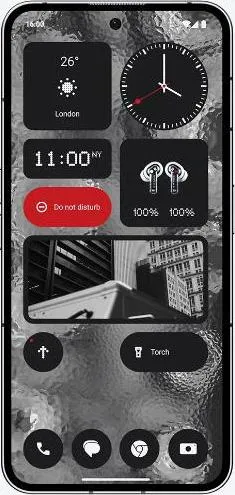
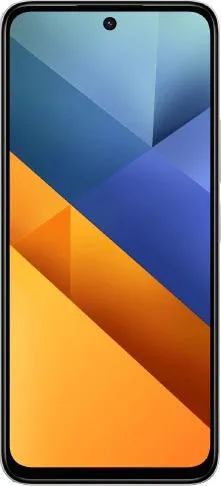
| Dimensions | 162.1 x 76.4 x 8.6 mm | 168.6 x 76.3 x 8.3 mm | Poco M6 is slightly taller and thicker, but negligibly thinner. Both should feel similar in hand. |
| Weight | 201.2 g | 205 g | Negligible weight difference in real-world usage. |
| Build Materials | Unspecified | Unspecified | Cannot compare build quality and feel without more information. |
| Display | |||
| Display Type | LTPO OLED, 1B colors | IPS LCD | Nothing Phone (2) will have significantly better contrast, deeper blacks, and more vibrant colors due to OLED technology. |
| Display Size | 6.7" | 6.79" | Negligible size difference. |
| Resolution | 1080 x 2412 | 1080 x 2460 | Virtually identical pixel density, resulting in similar sharpness. |
| Refresh Rate | 120Hz | 90Hz | Nothing Phone (2) will offer smoother scrolling and animations thanks to the higher refresh rate. |
| Peak Brightness | 1600 nits | 550 nits (typical), unspecified peak | The Nothing Phone (2) will be dramatically brighter, especially outdoors in sunlight. |
| Performance | |||
| Chipset | Snapdragon 8+ Gen 1 | Helio G91 Ultra | The Snapdragon 8+ Gen 1 in the Nothing Phone (2) is significantly more powerful, leading to much faster performance in demanding tasks and gaming. |
| CPU | Octa-core (1x3.0 GHz Cortex-X2 & 3x2.5 GHz Cortex-A710 & 4x1.80 GHz Cortex-A510) | Octa-core (2x2.0 GHz Cortex-A75 & 6x1.8 GHz Cortex-A55) | The Nothing Phone (2)'s CPU architecture is newer and more powerful. |
| GPU | Adreno 730 | Mali-G52 MC2 | Nothing Phone (2)'s GPU provides significantly better graphics performance for gaming. |
| RAM | 12GB | 8GB | More RAM in the Nothing Phone (2) allows for better multitasking and smoother performance with multiple apps open. |
| Storage | 256GB/512GB | 256GB | Nothing Phone (2) offers a 512GB storage option for users needing more space. |
| Camera | |||
| Video Capabilities | 4K@30/60fps (HDR, OIS, EIS), 1080p@30/60fps (HDR, OIS, EIS) | 1080p@30fps | Nothing Phone (2) offers superior video recording capabilities with higher resolution, frame rates, and stabilization. Detailed camera specs are missing for both phones. |
| Battery | |||
| Capacity | 4700 mAh | 5030 mAh | Poco M6 has a larger battery capacity, potentially offering longer battery life. Real-world usage will vary. |
| Charging Speed | Unspecified | Unspecified | Cannot compare charging speeds without more data. |
2. Key Differences Analysis
Nothing Phone (2) Advantages:
- Significantly more powerful: The Snapdragon 8+ Gen 1 offers a substantial performance advantage for demanding tasks and gaming.
- Superior display: The OLED display offers dramatically better contrast, colors, and brightness.
- Smoother experience: The 120Hz refresh rate provides smoother scrolling and animations.
- Better video recording: Higher resolution and frame rate options along with OIS and EIS.
Xiaomi Poco M6 4G Advantages:
- Larger battery: Potentially longer battery life, though real-world usage depends on various factors.
- Lower price: Positioned in the "low price" range, offering better affordability.
Trade-offs:
- Performance vs. Price: The Nothing Phone (2) offers superior performance but at a higher price. The Poco M6 4G prioritizes affordability over high-end performance.
3. User Profiles & Recommendations
Nothing Phone (2): Ideal for users who prioritize performance, a premium display, and smooth user experience. Suitable for demanding tasks like gaming, content creation, and heavy multitasking.
Xiaomi Poco M6 4G: Best suited for budget-conscious users who prioritize basic functionality, long battery life, and affordability over top-tier performance. Suitable for everyday tasks like web browsing, social media, and communication.
4. Decision Framework
Key Questions for Buyers:
- What is your budget? The Poco M6 4G is significantly more affordable.
- What are your primary smartphone usage patterns? Demanding tasks and gaming benefit from the Nothing Phone (2)'s power.
- How important is display quality and smoothness? The Nothing Phone (2) offers a vastly superior visual experience.
My Choice: Nothing Phone (2)
While the Poco M6 4G offers excellent value for its price, the Nothing Phone (2)'s superior performance, stunning display, and smoother user experience are compelling. The Snapdragon 8+ Gen 1, 120Hz OLED display, and 12GB of RAM make a tangible difference in daily usage. I prioritize a fluid and responsive experience, and I'm willing to invest in the better overall package offered by the Nothing Phone (2), even with the higher price. The significantly brighter display is also a huge factor for outdoor visibility. The lack of detailed camera specifications makes a full camera comparison impossible, but the video capabilities clearly favor the Nothing Phone (2).
