1. Specifications Comparison
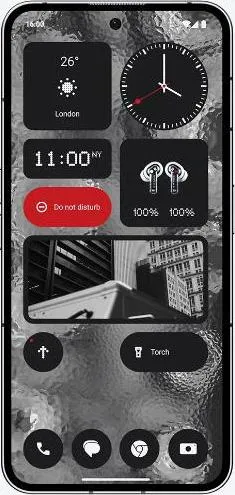
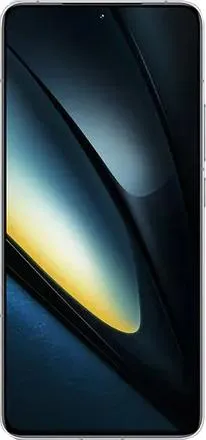
| Feature | Nothing Phone (2) | Xiaomi Poco F6 Pro | Practical Impact |
|---|---|---|---|
| Design | |||
| Dimensions | 162.1 x 76.4 x 8.6 mm | 160.9 x 75 x 8.2 mm | Poco F6 Pro is slightly shorter, narrower, and thinner. Negligible difference in hand feel. |
| Weight | 201.2 g | 209 g | Poco F6 Pro is slightly heavier, but the difference is minimal. |
| Build | Unspecified | Unspecified | Build materials impact durability and premium feel. This information is missing. |
| Display | |||
| Size | 6.7" | 6.67" | Virtually identical screen sizes. |
| Type | LTPO OLED | AMOLED | Both offer excellent contrast and colors. LTPO allows for dynamic refresh rate adjustment, potentially saving battery. |
| Resolution | 1080 x 2412 | 1440 x 3200 | Poco F6 Pro has a significantly sharper display (higher pixel density). Noticeably crisper text and images. |
| Refresh Rate | 120Hz | 120Hz | Both offer smooth scrolling and animations. |
| Peak Brightness | 1600 nits | 4000 nits | Poco F6 Pro offers much higher peak brightness, significantly improving outdoor visibility. |
| Performance | |||
| Chipset | Snapdragon 8+ Gen 1 | Snapdragon 8 Gen 2 | Poco F6 Pro has a newer, more powerful processor, resulting in faster performance and better efficiency. |
| CPU | Octa-core (1x3.0 GHz Cortex-X2...) | Octa-core (1x3.2 GHz Cortex-X3...) | Poco F6 Pro's CPU offers performance improvements due to newer architecture. |
| GPU | Adreno 730 | Adreno 740 | Poco F6 Pro's GPU provides better graphics performance for demanding games and applications. |
| RAM/Storage | 256GB/12GB, 512GB/12GB | 512GB/12GB, 1000GB/16GB | Poco F6 Pro offers a 1TB storage option for users needing vast amounts of space. Both have ample RAM for multitasking. |
| Camera | |||
| Video Capabilities | 4K@30/60fps (OIS, EIS) | 8K@24fps, 4K@60fps, up to 960fps slow-mo | Poco F6 Pro offers more versatile video recording options including 8K and higher frame rate slow-motion. Missing details on OIS for Poco F6 Pro. |
| Battery | |||
| Capacity | 4700 mAh | 5000 mAh | Poco F6 Pro has a larger battery capacity, potentially offering longer battery life. |
2. Key Differences Analysis
Nothing Phone (2) Advantages:
- Potentially better battery life due to LTPO display technology.
Xiaomi Poco F6 Pro Advantages:
- Significantly brighter and sharper display.
- More powerful and efficient processor (Snapdragon 8 Gen 2).
- More versatile video recording capabilities.
- Larger battery capacity.
- Larger storage option (1TB).
Trade-offs:
- Poco F6 Pro's higher resolution and brightness might impact battery life despite the larger battery.
3. User Profiles & Recommendations
Nothing Phone (2): Users prioritizing a unique design (assuming based on the brand's focus), potentially longer battery life, and who don't need the absolute best performance or display sharpness.
Xiaomi Poco F6 Pro: Users who demand top-tier performance, a brilliant and sharp display, versatile video recording capabilities, and ample storage. Suitable for mobile gamers, power users, and content creators.
4. Decision Framework
Key Questions:
- What is your budget? Both are mid-range but potential price differences could be significant.
- What are your primary use cases? (Gaming, photography, general use)
- How important is battery life vs. performance and display quality?
Scenario-Based Recommendations:
- Heavy gamer: Poco F6 Pro for its superior performance and sharper display.
- Casual user: Either phone could be suitable depending on individual priorities for battery life, display quality, and price.
- Content creator: Poco F6 Pro for its superior video recording capabilities and large storage option.
My Choice: Xiaomi Poco F6 Pro
While the Nothing Phone (2) might offer slightly better battery life due to LTPO, the Poco F6 Pro's significant advantages in performance, display quality, and video recording capabilities are more compelling to me. The Snapdragon 8 Gen 2 provides a noticeable real-world performance boost, and the brighter, sharper display enhances the overall user experience. The versatile video recording features and larger storage option further solidify the Poco F6 Pro as the better choice for my needs, assuming a comparable price point. I prioritize a smooth and responsive user experience and a high-quality display, making the Poco F6 Pro the clear winner. The potential trade-off in battery life is acceptable considering the significant gains in other areas.
