1. Specifications Comparison
| Feature | Category | Nothing Phone (2) | Xiaomi Poco F6 | Practical Impact |
|---|---|---|---|---|
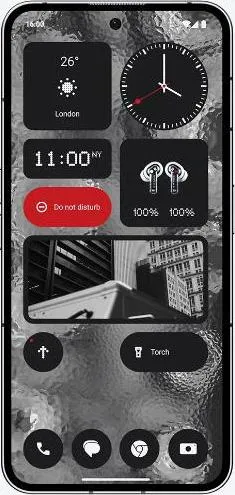
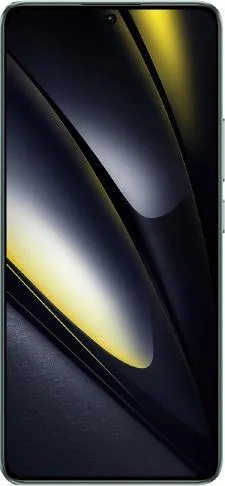
| Dimensions | Design | 162.1 x 76.4 x 8.6 mm, 201.2g | 160.5 x 74.5 x 8 mm, 179g | Poco F6 is slightly smaller, thinner, and noticeably lighter, improving one-handed usability. |
| Build | Design | Glass front & back, aluminum frame | Missing | Build materials impact durability and premium feel. Information lacking for Poco F6. |
| Display Type | Display | LTPO OLED, 1B colors | AMOLED, 68B colors | Both offer excellent color accuracy and deep blacks. The difference in color depth (1B vs 68B) is negligible in real-world usage. LTPO allows for dynamic refresh rate, potentially saving battery. |
| Display Size & Resolution | Display | 6.7", 1080 x 2412 (394 ppi) | 6.67", 1220 x 2712 (446 ppi) | Poco F6 has a slightly sharper display due to higher resolution and pixel density. Difference in size is negligible. |
| Peak Brightness | Display | 1600 nits | 2400 nits | Poco F6 offers significantly higher peak brightness, ensuring better visibility in direct sunlight. |
| Refresh Rate | Display | 120Hz | 120Hz | Both offer smooth scrolling and animations. |
| Chipset | Performance | Snapdragon 8+ Gen 1 | Snapdragon 8 Gen 3 | Poco F6 features a newer, more powerful processor, resulting in faster performance, improved efficiency, and better gaming capabilities. |
| CPU | Performance | Octa-core (1x3.0 GHz Cortex-X2 & 3x2.5 GHz Cortex-A710 & 4x1.80 GHz Cortex-A510) | Octa-core (1x3.0 GHz Cortex-X4 & 4x2.8 GHz Cortex-A720 & 3x2.0 GHz Cortex-A520) | Poco F6's newer CPU architecture provides a performance advantage. |
| GPU | Performance | Adreno 730 | Adreno 735 | Poco F6's slightly improved GPU should deliver slightly better gaming performance. |
| RAM & Storage | Performance | 12GB RAM, 256/512GB Storage | 12GB RAM, 512GB Storage | Both offer ample RAM for multitasking. Storage options are similar, but the base model of Nothing Phone (2) offers a 256 GB option. |
| Battery Capacity | Battery | 4700 mAh | 5000 mAh | Poco F6 has a larger battery, potentially offering longer battery life. |
| Charging Speed | Battery | Missing | Missing | Charging speed significantly impacts usability. This information is crucial for comparison. |
| Main Camera | Camera | Missing detailed specs | Missing detailed specs | Detailed camera specifications (sensor size, aperture, etc.) are crucial for comparing image quality. |
| Video Recording | Camera | 4K@30/60fps (OIS, EIS) | 4K@30/60fps, 1080p@240fps (EIS) | Both offer good video recording capabilities. Poco F6 boasts higher slow-motion capabilities with 1080p@240fps. Missing OIS on Poco F6 videos might impact stability. |
| OS | Software | Android 13, upgradable to 16 | Android 14, upgradable to 17 | Poco F6 launches with a newer Android version and will receive longer software updates, benefiting from newer features and security patches for a longer period. |
2. Key Differences Analysis
Nothing Phone (2) Advantages:
- Potentially Better Battery Efficiency: The LTPO display can dynamically adjust refresh rate, potentially consuming less power.
Xiaomi Poco F6 Advantages:
- Superior Performance: The newer Snapdragon 8 Gen 3 chip offers a significant performance boost over the Snapdragon 8+ Gen 1.
- Brighter Display: The significantly brighter display ensures better outdoor visibility.
- Sharper Display: Higher resolution and pixel density lead to a sharper image.
- Larger Battery: The 5000mAh battery likely provides longer battery life.
- Newer Software with Longer Support: Android 14 with longer update commitment provides access to new features and security patches for a longer period.
- Lighter and More Compact: Noticeably lighter and slightly smaller dimensions enhance portability and one-handed use.
- Higher Slow-motion video recording: 1080p@240fps allows for capturing impressive slow-motion footage.
3. User Profiles & Recommendations
Nothing Phone (2): Users prioritizing a unique design and potentially longer battery life due to the LTPO display, who are not heavy gamers or require the absolute latest hardware.
Xiaomi Poco F6: Users who prioritize performance, a bright and sharp display, longer software support, and value for money. This phone excels in demanding tasks like gaming, content creation, and multitasking.
4. Decision Framework
Key Questions for Buyers:
- What is your budget and how important is value for money? Both phones are in the mid-range, but the Poco F6 offers more advanced hardware for a potentially similar price.
- What are your primary use cases? For demanding tasks like gaming and content creation, the Poco F6's superior performance is crucial. For general use with a focus on battery life and a unique aesthetic, the Nothing Phone (2) might be sufficient.
- How important is software update longevity? The Poco F6 will receive software updates for a longer duration.
My Choice: Xiaomi Poco F6
Reasoning: The Poco F6 offers a compelling package with significantly improved performance thanks to the Snapdragon 8 Gen 3, a brighter and sharper display, a larger battery, and a longer software update commitment. While specific camera details and charging speeds are missing, the overall hardware advantage and future-proofing offered by the Poco F6 make it a more compelling choice for me. The lighter and more compact design is also a plus. The potential battery life benefit of the Nothing Phone (2)'s LTPO display is outweighed by the substantial performance and feature upgrades in the Poco F6. I prioritize performance, long-term software support, and a great display, making the Poco F6 the clear winner in this comparison.
