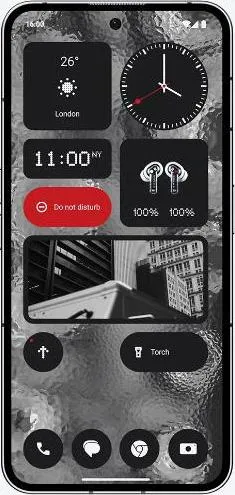
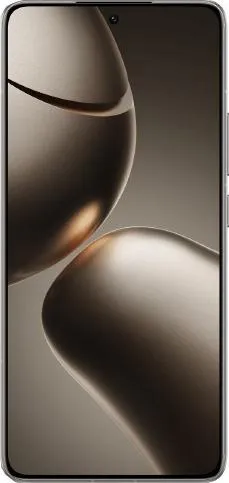
1. Specifications Comparison
| Feature | Nothing Phone (2) | Xiaomi 14T Pro | Practical Impact |
|---|---|---|---|
| Design | |||
| Dimensions | 162.1 x 76.4 x 8.6 mm | 160.4 x 75.1 x 8.4 mm | Xiaomi 14T Pro is slightly smaller and thinner. Negligible difference in daily use. |
| Weight | 201.2 g | 209 g | Xiaomi 14T Pro is slightly heavier. The difference is noticeable but unlikely to be a major factor for most users. |
| Build | Glass front, aluminum frame, glass back | Information not available | Build quality impacts durability and premium feel. Lack of information for Xiaomi limits comparison. |
| Display | |||
| Size | 6.7" | 6.67" | Negligible size difference. |
| Type | LTPO OLED | AMOLED | Both offer excellent color and contrast. LTPO allows for dynamic refresh rate adjustment, potentially saving battery on the Nothing Phone (2). |
| Resolution | 1080 x 2412 (394 ppi) | 1220 x 2712 (446 ppi) | Xiaomi 14T Pro has a sharper display due to higher resolution and pixel density, resulting in clearer text and images. |
| Refresh Rate | 120Hz | 144Hz | Xiaomi 14T Pro offers a smoother experience, especially noticeable in fast-paced games and scrolling. The difference between 120Hz and 144Hz might not be perceptible to all users. |
| Peak Brightness | 1600 nits | 4000 nits | Xiaomi 14T Pro offers significantly higher peak brightness, ensuring better visibility in direct sunlight. |
| Performance | |||
| Chipset | Snapdragon 8+ Gen 1 | Dimensity 9300+ | Both are high-end chipsets offering excellent performance. Dimensity 9300+ is newer and benchmarks suggest a potential performance advantage. Real-world performance differences may vary. |
| CPU | Octa-core (1x3.0 GHz Cortex-X2 & 3x2.5 GHz Cortex-A710 & 4x1.80 GHz Cortex-A510) | Octa-core (1x3.4 GHz Cortex-X4 & 3x2.85 GHz Cortex-X4 & 4x2.0 GHz Cortex-A720) | Xiaomi 14T Pro has a newer CPU architecture, potentially leading to faster processing speeds. |
| GPU | Adreno 730 | Immortalis-G720 MC12 | Both GPUs are capable of handling demanding games. Performance differences will depend on specific game optimization. |
| RAM | 12GB | 12GB | Both offer ample RAM for multitasking and smooth performance. |
| Storage | 256GB/512GB | 512GB | Nothing Phone (2) offers a 256GB option, potentially offering a lower price point. |
| Battery | |||
| Capacity | 4700 mAh | 5000 mAh | Xiaomi 14T Pro has a larger battery, potentially leading to longer battery life. |
| Camera | |||
| Video Capabilities | Up to 4K@60fps | Up to 8K@30fps | Xiaomi 14T Pro offers higher resolution video recording (8K). While 8K offers more detail, file sizes will be significantly larger. Practical benefits of 8K depend on user needs and display devices. |
2. Key Differences Analysis
Xiaomi 14T Pro Advantages:
- Sharper Display: Higher resolution and pixel density.
- Smoother Display: Higher refresh rate.
- Brighter Display: Significantly higher peak brightness.
- Potentially Faster Performance: Newer chipset and CPU architecture.
- Larger Battery: Potentially longer battery life.
- Higher Resolution Video Recording: 8K capability.
Nothing Phone (2) Advantages:
- LTPO Display: More power efficient.
- More Storage Options: Offers a 256GB option.
- Potentially Lower Price: Due to older release date and storage options. (Confirmation needed)
3. User Profiles & Recommendations
Xiaomi 14T Pro: Users who prioritize top-tier performance, the best display quality, longer battery life, and cutting-edge video recording capabilities. Ideal for mobile gamers, content creators, and power users.
Nothing Phone (2): Users seeking a balance of performance, unique design, and potentially lower price. Suitable for everyday users who value a smooth display and good battery life but don't need the absolute best specifications.
4. Decision Framework
Key Questions for Buyers:
- What is your budget? The Xiaomi 14T Pro will likely be more expensive.
- What are your primary use cases? (Gaming, content consumption, photography/videography, etc.)
- How important is battery life to you?
Scenario-Based Recommendations:
- Budget-conscious gamer: Nothing Phone (2) offers excellent performance at a potentially lower price point.
- Power user seeking the best display and performance: Xiaomi 14T Pro.
- User prioritizing battery life: Xiaomi 14T Pro.
My Choice: Xiaomi 14T Pro
While the Nothing Phone (2) is a compelling device, the Xiaomi 14T Pro's superior display, potentially faster performance, larger battery, and advanced video recording capabilities make it the more attractive option for me. The sharper resolution, higher refresh rate, and significantly brighter display are substantial upgrades that significantly enhance the user experience. The newer processor and larger battery also offer tangible benefits. Although the price might be higher, the overall package offered by the Xiaomi 14T Pro justifies the premium for my usage priorities, which heavily involve media consumption and productivity. The potential performance advantage of the Dimensity 9300+ also caters to my preference for future-proofing my device.
