1. Specifications Comparison
| Feature | Category | Nothing Phone (2) | Xiaomi 14 Ultra | Practical Impact |
|---|---|---|---|---|
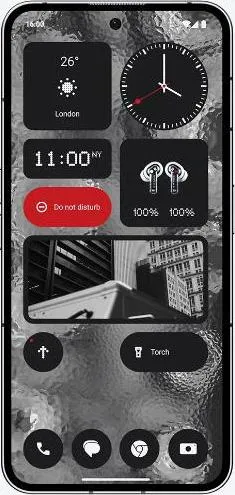
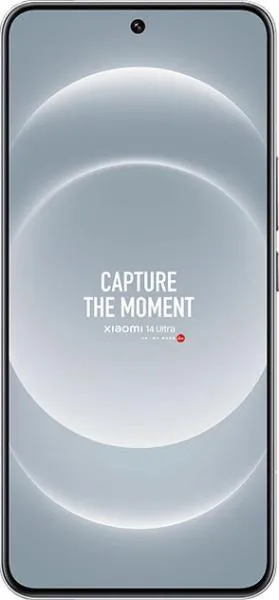
| Dimensions | Design | 162.1 x 76.4 x 8.6 mm, 201.2g | 161.4 x 75.3 x 9.2 mm, 229.5g | The Xiaomi 14 Ultra is slightly shorter and narrower but thicker and noticeably heavier. The Nothing Phone (2)'s lighter weight may be preferable for extended use. |
| Build | Design | Build materials are not specified for either phone, limiting a comprehensive comparison. | ||
| Display Type | Display | 6.7" LTPO OLED, 1B colors | 6.73" LTPO AMOLED, 68B colors | Both offer excellent displays with smooth 120Hz refresh rates. The Xiaomi's 68B colors offer a wider color gamut for potentially more vibrant visuals, but discerning the difference may be challenging in everyday use. |
| Resolution | Display | 1080 x 2412 (394 ppi) | 1440 x 3200 (522 ppi) | The Xiaomi 14 Ultra has a significantly sharper display due to its higher resolution and pixel density. This results in crisper text and images. |
| Peak Brightness | Display | 1600 nits | 3000 nits | The Xiaomi 14 Ultra boasts much higher peak brightness, ensuring superior outdoor visibility in direct sunlight. |
| Chipset | Performance | Snapdragon 8+ Gen 1 | Snapdragon 8 Gen 3 | The Xiaomi 14 Ultra features a newer generation chipset, offering significant performance and efficiency improvements, especially in demanding tasks and gaming. |
| CPU | Performance | Octa-core (1x3.0 GHz Cortex-X2 & 3x2.5 GHz Cortex-A710 & 4x1.80 GHz Cortex-A510) | Octa-core (1x3.3 GHz Cortex-X4 & 3x3.2 GHz Cortex-A720 & 2x3.0 GHz Cortex-A720 & 2x2.3 GHz Cortex-A520) | The Xiaomi 14 Ultra has a faster and more efficient CPU architecture, leading to improved responsiveness and multitasking. |
| GPU | Performance | Adreno 730 | Adreno 750 | The newer Adreno 750 in the Xiaomi 14 Ultra will provide a better gaming experience with higher frame rates and smoother graphics. |
| RAM | Performance | 12GB | 16GB | The Xiaomi 14 Ultra offers more RAM, allowing for better multitasking and smoother performance when running multiple apps simultaneously. |
| Storage | Performance | 256GB/512GB | 512GB | Both phones offer ample storage, although the Nothing Phone (2) provides a 256GB option for potentially lower cost. |
| Battery | Battery | 4700 mAh | 5000 mAh | The Xiaomi 14 Ultra has a slightly larger battery, potentially offering longer battery life. However, real-world battery life depends on various factors, including software optimization. |
| Main Camera | Camera | Not Specified | Not Specified | Camera specifications are missing, preventing a detailed comparison. |
| Video Recording | Camera | Up to 4K@60fps | Up to 8K@30fps and 4K@120fps | The Xiaomi 14 Ultra offers significantly more advanced video recording capabilities, including higher resolution (8K) and higher frame rates (up to 4K@120fps), catering to professional or enthusiast videographers. |
| OS | Software | Android 13 (upgradable to 16) | Android 14 (upgradable to 18) | The Xiaomi 14 Ultra comes with a newer Android version and longer software support, ensuring access to the latest features and security updates for a longer period. |
2. Key Differences Analysis
Xiaomi 14 Ultra Advantages:
- Superior Display: Sharper, brighter, and with a wider color gamut.
- Faster Performance: Newer and more powerful chipset, CPU, and GPU.
- More RAM: Better multitasking and smoother performance.
- Larger Battery: Potentially longer battery life.
- Advanced Video Recording: Higher resolution and frame rates.
- Newer OS and Longer Software Support: Access to latest features and security updates.
Nothing Phone (2) Advantages:
- Lighter Weight: More comfortable for extended use.
- Potentially Lower Price: Availability of a 256GB storage option.
3. User Profiles & Recommendations
Xiaomi 14 Ultra: Ideal for users who prioritize performance, a top-tier display, advanced camera features (video recording), and the latest software. Suitable for demanding tasks, gaming, content creation, and multimedia consumption.
Nothing Phone (2): Suitable for users who value a lighter phone, prioritize affordability (depending on storage option), and have moderate performance needs. Good for everyday tasks, social media, and casual gaming.
4. Decision Framework
Key Questions for Buyers:
- What is your budget? The Xiaomi 14 Ultra is likely more expensive.
- What are your primary use cases? Demanding tasks vs. everyday use.
- Which features matter most? Display quality, performance, battery life, camera features, software updates.
My Choice: Xiaomi 14 Ultra
While the Nothing Phone (2) offers a lighter weight, the Xiaomi 14 Ultra's significant advantages in performance, display, camera capabilities, and software support make it the superior choice for me. The newer Snapdragon 8 Gen 3, brighter and sharper display, and advanced video recording features are compelling. I prioritize future-proofing and a premium user experience, making the Xiaomi 14 Ultra a better long-term investment despite the potential higher price and heavier weight. The increased RAM also provides a more fluid multitasking experience, which is crucial for my workflow.
