1. Specifications Comparison
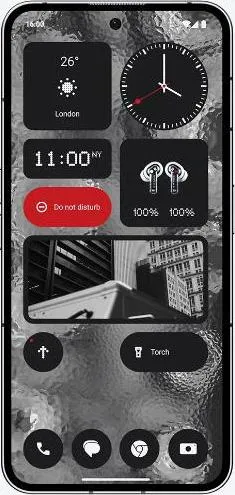
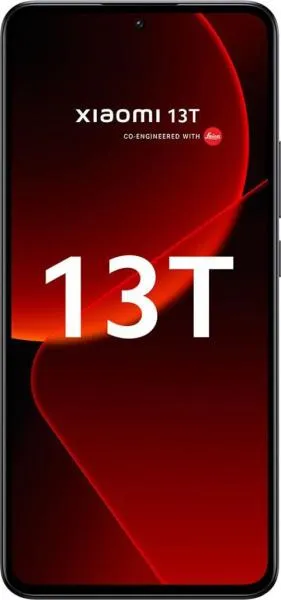
| Feature | Category | Nothing Phone (2) | Xiaomi 13T | Practical Impact |
|---|---|---|---|---|
| Dimensions | Design | 162.1 x 76.4 x 8.6 mm, 201.2g | 162.2 x 75.7 x 8.5 mm, 193g | Xiaomi 13T is slightly lighter and narrower. Negligible difference in daily use. |
| Build | Design | Glass front/back, aluminum frame | Glass front, plastic frame | Nothing Phone (2)'s aluminum frame offers better durability. |
| Display Size | Display | 6.7" | 6.67" | Negligible size difference. |
| Display Type | Display | LTPO OLED, 1B colors | AMOLED, 68B colors | Both offer vibrant colors and deep blacks. The impact of the color depth difference (1B vs. 68B) is debatable in real-world usage. |
| Resolution | Display | 1080 x 2412, 394 ppi | 1220 x 2712, 446 ppi | Xiaomi 13T has a sharper display due to higher resolution and pixel density. Noticeable when viewing fine details or text. |
| Refresh Rate | Display | 120Hz | 144Hz | Xiaomi 13T offers smoother scrolling and animations. The difference between 120Hz and 144Hz is noticeable but may not be crucial for all users. |
| Peak Brightness | Display | 1600 nits | 2600 nits | Xiaomi 13T is significantly brighter, making it more readable in direct sunlight. |
| Chipset | Performance | Snapdragon 8+ Gen 1 | Dimensity 8200 Ultra | Both are powerful chips. Snapdragon 8+ Gen 1 generally has a slight edge in benchmarks, but real-world performance differences might be minimal for average users. |
| CPU | Performance | Octa-core (1x3.0 GHz Cortex-X2 & 3x2.5 GHz Cortex-A710 & 4x1.80 GHz Cortex-A510) | Octa-core (1x3.1 GHz Cortex-A78 & 3x3.0 GHz Cortex-A78 & 4x2.0 GHz Cortex-A55) | Specific core configurations suggest Snapdragon 8+ Gen 1 might handle sustained high-performance tasks slightly better. |
| GPU | Performance | Adreno 730 | Mali-G610 MC6 | Adreno 730 generally offers better gaming performance. |
| RAM | Performance | 12GB | 12GB | Both offer ample RAM for multitasking. |
| Storage | Performance | 256GB/512GB | 256GB | Nothing Phone offers a 512GB option for users needing more storage. |
| Battery | Battery | 4700 mAh | 5000 mAh | Xiaomi 13T likely offers longer battery life due to the larger capacity. |
| OS Updates | Software | Up to Android 16 | Up to Android 17 | Xiaomi 13T will receive longer software support. |
| Main Camera | Camera | Missing information | Missing information | Cannot compare without details. |
| Video Recording | Camera | Up to 4K@60fps with OIS/EIS | Up to 4K@30fps with EIS | Nothing Phone (2) offers higher frame rate video recording with both Optical (OIS) and Electronic (EIS) Image Stabilization, potentially resulting in smoother and more stable videos. |
2. Key Differences Analysis
Nothing Phone (2) Advantages:
- Premium Build: More durable aluminum frame.
- Slightly Better GPU: Potentially smoother gaming.
- Higher Resolution Video Recording with OIS: Smoother, more stable videos.
- More Storage Options: Offers a 512GB variant.
Xiaomi 13T Advantages:
- Sharper Display: Higher resolution and pixel density.
- Higher Refresh Rate: Smoother scrolling and animations.
- Brighter Display: Better outdoor visibility.
- Larger Battery: Potentially longer battery life.
- Longer Software Support: Guaranteed updates to a later Android version.
- Lighter and More Compact: Slightly easier to hold and carry.
Trade-offs:
- Xiaomi 13T: Plastic frame might feel less premium compared to Nothing Phone (2)'s aluminum frame.
- Nothing Phone (2): Smaller battery might result in shorter battery life compared to Xiaomi 13T.
3. User Profiles & Recommendations
Nothing Phone (2): Users who prioritize build quality, slightly better gaming performance, and higher quality video recording.
Xiaomi 13T: Users who prioritize display quality (sharpness, refresh rate, brightness), longer battery life, and longer software support. Good for content consumption, general use, and extended battery life needs.
4. Decision Framework
Key Questions:
- How important is display quality to you? If sharpness, brightness, and smooth scrolling are paramount, the Xiaomi 13T is a better choice.
- How much do you value build quality and premium materials? If durability and a premium feel are important, the Nothing Phone (2) is preferred.
- How long do you plan to keep your phone? If software updates and long-term support are crucial, the Xiaomi 13T is a better option.
My Choice: Xiaomi 13T
While the Nothing Phone (2) has its strengths (build quality, video recording), the Xiaomi 13T offers a more compelling overall package for my needs. The significantly brighter and sharper display, along with the larger battery and longer software support, are more important to me in daily use. I prioritize a smooth and enjoyable user experience for general tasks, content consumption, and occasional gaming, and the Xiaomi 13T delivers on these aspects. The slightly less premium build material is a trade-off I am willing to make for the other benefits. The 144hz refresh rate, while not a massive jump from 120hz, still contributes to a more fluid user experience. Finally, the longer software update commitment from Xiaomi ensures that the device remains secure and up-to-date for a longer period.
