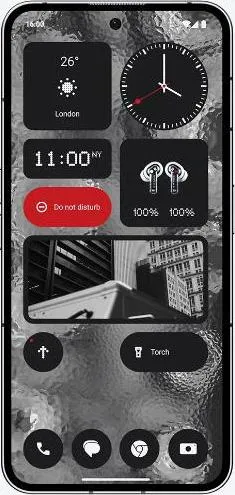

1. Specifications Comparison
| Feature | Category | Nothing Phone (2) | Sony Xperia 1 VI | Practical Impact |
|---|---|---|---|---|
| Dimensions | Design | 162.1 x 76.4 x 8.6 mm, 201.2g | 162 x 74 x 8.2 mm, 192g | Xperia 1 VI is slightly lighter and thinner, potentially more comfortable for one-handed use. |
| Build | Design | Build materials not specified for either phone, limiting comparison. | ||
| Display Size | Display | 6.7" | 6.5" | Nothing Phone (2) has a slightly larger display, potentially better for media consumption. |
| Display Type | Display | LTPO OLED, 1B colors, 120Hz, HDR10+, 1600 nits (peak) | LTPO OLED, 1B colors, 120Hz, HDR BT.2020 | Both offer excellent displays with high refresh rates and color accuracy. BT.2020 on the Xperia 1 VI supports a wider color gamut for potentially more accurate color reproduction. Peak brightness missing for Xperia, limiting comparison. |
| Resolution | Display | 1080 x 2412 (394 ppi) | 1080 x 2340 (396 ppi) | Negligible difference in sharpness due to similar pixel densities. Xperia 1 VI's taller aspect ratio is better suited for cinematic content. |
| Chipset | Performance | Snapdragon 8+ Gen 1 | Snapdragon 8 Gen 3 | Xperia 1 VI features a newer, more powerful chipset, resulting in significantly improved performance, especially for demanding tasks and gaming. |
| CPU | Performance | Octa-core (1x3.0 GHz Cortex-X2 & 3x2.5 GHz Cortex-A710 & 4x1.80 GHz Cortex-A510) | Octa-core (1x3.3 GHz Cortex-X4 & 3x3.2 GHz Cortex-A720 & 2x3.0 GHz Cortex-A720 & 2x2.3 GHz Cortex-A520) | Xperia 1 VI boasts newer CPU architecture and higher clock speeds, translating to smoother multitasking and faster app loading times. |
| GPU | Performance | Adreno 730 | Adreno 750 | Xperia 1 VI's superior GPU will deliver noticeably better gaming performance and graphics rendering. |
| RAM | Performance | 12GB | 12GB | Both phones offer ample RAM for smooth multitasking. |
| Storage | Performance | 256GB/512GB | 512GB | Xperia 1 VI offers only a 512GB option, providing more storage for large files and apps but potentially at a higher price point. |
| Battery Capacity | Battery | 4700 mAh | 5000 mAh | Xperia 1 VI has a larger battery, likely resulting in longer battery life. |
| Charging Speed | Battery | Not specified | Not specified | Charging speed comparison is impossible due to missing information. |
| Main Camera | Camera | Not specified | Not specified | Camera specifications are missing, preventing a detailed comparison. |
| Video | Camera | Up to 4K@60fps (HDR, OIS, EIS) | Up to 4K@120fps (HDR, OIS, EIS) | Xperia 1 VI offers significantly higher video frame rates, enabling smoother slow-motion capture and more cinematic footage. |
| OS | Software | Android 13, upgradable to 16 | Android 14, upgradable to 17 | Xperia 1 VI ships with a newer Android version and will receive longer software updates, ensuring access to the latest features and security patches. |
2. Key Differences Analysis
Nothing Phone (2) Advantages:
- Potentially Lower Price: Given the older chipset and launch date, the Nothing Phone (2) likely offers a more affordable price point.
- Slightly Larger Display: Marginally bigger screen estate for media consumption.
Sony Xperia 1 VI Advantages:
- Significantly Improved Performance: The Snapdragon 8 Gen 3 offers a substantial performance boost.
- Longer Software Support: Newer Android version and longer update guarantee.
- Larger Battery: Potentially longer battery life.
- Superior Video Capabilities: Higher frame rates (up to 4K@120fps) for professional-grade video recording.
- More Storage: 512GB base storage for ample space.
3. User Profiles & Recommendations
Nothing Phone (2): Budget-conscious users seeking a stylish phone with a good display and decent performance. Suitable for everyday tasks, social media, and casual gaming.
Sony Xperia 1 VI: Users prioritizing performance, future-proofing with longer software updates, extended battery life, and advanced video recording capabilities. Ideal for power users, mobile gamers, and content creators.
4. Decision Framework
- Budget: How much are you willing to spend?
- Performance Needs: Do you require top-tier processing power for demanding tasks or gaming?
- Content Creation: Is high-quality video recording a priority?
My Choice: Sony Xperia 1 VI
While lacking specific camera details and brightness information, the Sony Xperia 1 VI is the clear winner for me. The significant performance leap with the Snapdragon 8 Gen 3, combined with longer software support, a larger battery, and superior video recording capabilities, outweighs the potential price difference. The Xperia 1 VI provides a more future-proof and powerful experience, crucial for demanding tasks and content creation. While the Nothing Phone (2) might be a good option for budget-conscious buyers, the Xperia 1 VI's advancements justify the likely higher investment for a user like myself who values performance and longevity. The taller aspect ratio also aligns better with my preference for cinematic content consumption.
