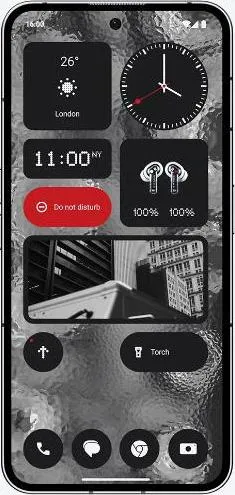
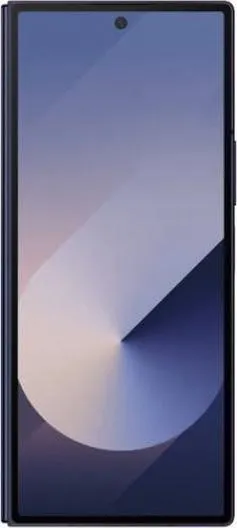
1. Specifications Comparison
| Feature | Category | Nothing Phone (2) | Samsung Galaxy Z Fold6 | Practical Impact |
|---|---|---|---|---|
| Dimensions | Design | 162.1 x 76.4 x 8.6 mm, 201.2g | 153.5 x 132.6 x 5.6 mm (folded), 239g | Fold6 is significantly more compact when folded, but thicker and heavier. Phone (2) is more comfortable for one-handed use. |
| Build | Design | Glass front/back, aluminum frame | Glass front, plastic back, aluminum frame | Fold6's plastic back might feel less premium but offers better durability against drops on the hinge side. |
| Foldable | Design | No | Yes | Fold6 offers a larger inner display for multitasking and media consumption but introduces a crease and potential durability concerns. |
| Display Type | Display | LTPO OLED, 1B colors, 120Hz | Foldable Dynamic LTPO AMOLED 2X, 120Hz | Both offer smooth scrolling and vibrant colors. Fold6's "2X" likely refers to improved brightness control. |
| Display Size | Display | 6.7" | 7.6" (inner), ~6.2" (cover) | Fold6's larger inner display enhances productivity and media viewing. The cover display allows for quick tasks without unfolding. |
| Resolution | Display | 1080 x 2412 | 1856 x 2160 (inner), | Fold6 boasts a sharper inner display due to higher resolution and pixel density. |
| Peak Brightness | Display | 1600 nits | 2600 nits | Fold6 is significantly brighter outdoors, ensuring better visibility in direct sunlight. |
| Chipset | Performance | Snapdragon 8+ Gen 1 | Snapdragon 8 Gen 3 | Fold6 features a newer, more powerful and efficient chipset, resulting in faster performance and better battery life. |
| CPU | Performance | Octa-core (1x3.0 GHz Cortex-X2 & 3x2.5 GHz Cortex-A710 & 4x1.80 GHz Cortex-A510) | Octa-core (1x3.39GHz Cortex-X4 & 3x3.1GHz Cortex-A720 & 2x2.9GHz Cortex-A720 & 2x2.2GHz Cortex-A520) | Fold6's newer CPU architecture offers a performance boost in demanding tasks and multitasking. |
| GPU | Performance | Adreno 730 | Adreno 750 | Fold6 has a more powerful GPU, improving gaming performance and graphics-intensive applications. |
| RAM | Performance | 12GB | 12GB | Both offer ample RAM for smooth multitasking. |
| Storage | Performance | 256GB/512GB | 512GB/1000GB | Fold6 provides a higher maximum storage option for users with extensive media libraries. |
| Battery Capacity | Battery | 4700 mAh | 4400 mAh | Phone (2) has a slightly larger battery, but real-world battery life depends on usage and Fold6's more efficient chip. |
| OS | Software | Android 13 | Android 14 | Fold6 comes with the latest Android version, offering newer features and potentially longer software support. |
| Video Capabilities | Camera | Up to 4K@60fps | Up to 8K@30fps & Slow-mo up to 960fps | Fold6 provides higher resolution video recording and significantly more advanced slow-motion capabilities. |
2. Key Differences Analysis
Nothing Phone (2) Advantages:
- More comfortable one-handed use: Lighter and narrower.
- Potentially longer battery life: Larger battery capacity.
- Lower price: Positioned in the medium price range.
Samsung Galaxy Z Fold6 Advantages:
- Larger, more versatile display: Foldable design for multitasking and media.
- Significantly more powerful: Newer chipset and improved CPU/GPU.
- Brighter display: Better outdoor visibility.
- More advanced camera features: Higher resolution video and slow-motion.
- Latest Android version: Newer features and longer software support.
3. User Profiles & Recommendations
Nothing Phone (2): Users seeking a stylish, well-performing phone for everyday tasks without the premium price tag or the complexities of a foldable device. Ideal for social media, web browsing, casual gaming, and communication.
Samsung Galaxy Z Fold6: Power users and early adopters who value productivity and cutting-edge technology. Ideal for multitasking, media consumption, demanding gaming, content creation, and those who want a unique, innovative device.
4. Decision Framework
Key Questions:
- Budget: Is a high-end price justifiable for the Fold6's foldable technology and advanced features?
- Usage: Do you prioritize multitasking and media consumption on a larger screen, or a more traditional smartphone experience?
- Form Factor: Is portability and one-handed usability more important than a larger foldable screen?
Scenario-based Recommendations:
- Limited Budget, Everyday Use: Nothing Phone (2)
- Power User, Multitasking Focus: Samsung Galaxy Z Fold6
- Enthusiast Seeking Innovation: Samsung Galaxy Z Fold6
My Choice: Samsung Galaxy Z Fold6
While the Nothing Phone (2) offers excellent value, I would choose the Samsung Galaxy Z Fold6. The foldable form factor is a game-changer for productivity and media consumption. The significantly more powerful processor, brighter display, and advanced camera features justify the higher price for my needs. Although I acknowledge the added weight and potential durability concerns of foldable devices, the unique benefits of the large inner display outweigh those drawbacks for me. I prioritize having the latest technology and appreciate the versatility the Fold6 offers. The performance boost from the Snapdragon 8 Gen 3, coupled with the improved multitasking capabilities, makes the Fold6 a more compelling device for my usage pattern.
