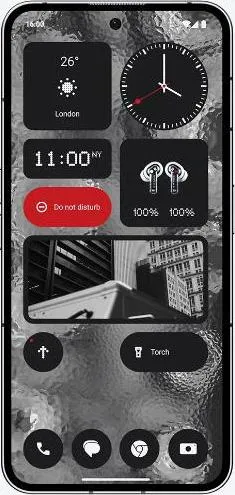
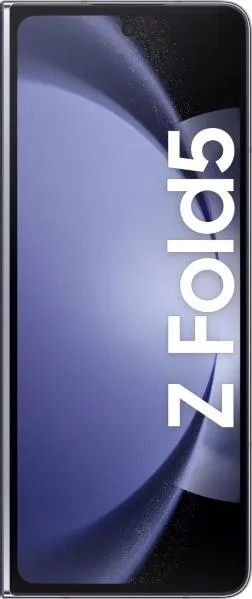
1. Specifications Comparison
| Feature | Category | Nothing Phone (2) | Samsung Galaxy Z Fold5 | Practical Impact |
|---|---|---|---|---|
| Dimensions | Design | 162.1 x 76.4 x 8.6 mm | 154.9 x 129.9 x 6.1 mm (Folded) | The Fold5 is significantly wider when unfolded, impacting one-handed usability. The Nothing Phone (2) is thinner and lighter for easier pocketability. |
| Weight | Design | 201.2 g | 253 g | The Fold5's weight is noticeable, especially during extended use. |
| Foldable | Design | No | Yes | The Fold5 offers a larger screen real estate and unique multitasking capabilities due to its foldable design. |
| Display Type | Display | LTPO OLED, 1B colors, 120Hz, HDR10+ | Foldable Dynamic AMOLED 2X, 120Hz, HDR10+ | Both offer vibrant displays with smooth scrolling. The Fold5's crease might be noticeable to some users. |
| Display Size | Display | 6.7" | 7.6" (Unfolded) | The Fold5 provides a significantly larger screen for media consumption and multitasking when unfolded. |
| Resolution | Display | 1080 x 2412 | 1812 x 2176 (Unfolded) | Sharper image on the Fold5, especially noticeable when using the larger unfolded screen. |
| Peak Brightness | Display | 1600 nits | Not Specified | The Nothing Phone (2)'s higher peak brightness ensures better visibility in direct sunlight. The lack of data for the Fold5 prevents a direct comparison. |
| Chipset | Performance | Snapdragon 8+ Gen 1 | Snapdragon 8 Gen 2 | Both offer top-tier performance, though the 8 Gen 2 in the Fold5 is generally considered slightly more powerful and efficient. |
| RAM | Performance | 12GB | 12GB | Both phones offer ample RAM for smooth multitasking. |
| Storage | Performance | 256/512GB | 512GB/1TB | The Fold5 offers a higher maximum storage option for users with large media libraries. |
| Battery Capacity | Battery | 4700 mAh | 4400 mAh | The Nothing Phone (2) has a larger battery capacity, potentially offering longer battery life. Real-world usage will vary. |
| OS Max Version | Software | Android 16 | Android 17 | The Fold5 is likely to receive longer software updates and support from Samsung. |
| Video Capabilities | Camera | 4K@60fps (HDR, OIS, EIS) | 8K@30fps (HDR, EIS), 4K@60fps (HDR, EIS), up to 960fps slow-motion | Fold5 offers higher resolution video recording (8K) and significantly higher frame rate slow-motion options, providing more versatility for video enthusiasts. |
2. Key Differences Analysis
Nothing Phone (2) Advantages:
- Lighter and more pocketable: Easier to carry and use one-handed.
- Potentially longer battery life: Larger battery capacity.
- Higher peak brightness: Better outdoor visibility.
- Lower price point: Typically more affordable than the Fold5.
Samsung Galaxy Z Fold5 Advantages:
- Larger, foldable display: Unique multitasking capabilities and immersive media consumption.
- More powerful processor: Slightly better performance in demanding tasks.
- Higher resolution display: Sharper image quality.
- More storage options: Up to 1TB for power users.
- Longer software support: Expected to receive more Android updates.
- More advanced video recording capabilities: 8K resolution and higher frame-rate slow-motion.
3. User Profiles & Recommendations
Nothing Phone (2): Ideal for users who prioritize a lightweight, sleek design, long battery life, and a vibrant display at a more affordable price. Best for everyday tasks, social media, media consumption, and casual gaming.
Samsung Galaxy Z Fold5: Ideal for power users, multitaskers, and content creators who value a large, foldable screen, top-tier performance, and the latest features. Best for productivity on the go, immersive media consumption, and demanding applications.
4. Decision Framework
Key Questions for Buyers:
- Budget: The Fold5 is significantly more expensive. Is the foldable screen and added functionality worth the premium?
- Use Case: Do you need a large screen for multitasking and productivity, or is a traditional smartphone sufficient?
- Portability: Is a lightweight and pocketable phone important, or is a larger, heavier device acceptable?
My Choice: Nothing Phone (2)
While the Fold5 boasts impressive technology, the Nothing Phone (2) better suits my needs and priorities. I value a lightweight and pocketable phone for everyday use. The longer battery life and brighter display are significant advantages for me. The price difference is also a considerable factor. The Fold5's folding capabilities, while innovative, don't outweigh the benefits of a more manageable and affordable device for my usage patterns. I prioritize practicality, comfort, and battery life over the novelty of a folding screen. The superior video capabilities of the Fold5 are tempting, but not essential for my typical usage.
