1. Specifications Comparison
| Feature | Category | Nothing Phone (2) | Samsung Galaxy Tab S9 FE | Practical Impact |
|---|---|---|---|---|
| Design | ||||
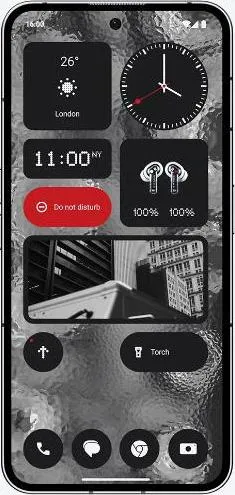
| Dimensions | Design | 162.1 x 76.4 x 8.6 mm | 254.3 x 165.8 x 6.5 mm | Tab S9 FE significantly larger, impacting portability; Phone (2) more pocketable. |
| Weight | Design | 201.2 g | 523 g | Tab S9 FE much heavier, less suitable for one-handed use. |
| Build | Design | Glass front/back, aluminum frame | Aluminum frame | Information about Tab S9 FE's front/back material is missing. |
| Display | ||||
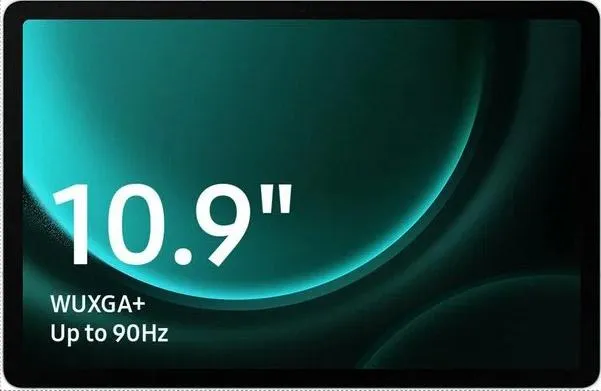
| Size | Display | 6.7" | 10.9" | Tab S9 FE offers larger screen real estate for media consumption and multitasking. |
| Type | Display | LTPO OLED | IPS LCD | Phone (2) likely has better contrast, deeper blacks, and more vibrant colors due to OLED technology. |
| Resolution | Display | 1080 x 2412 | 1440x2304 | Both offer sharp displays; Tab S9 FE slightly higher resolution but lower pixel density (PPI) due to larger screen size. |
| Refresh Rate | Display | 120Hz | 90Hz | Phone (2) will have smoother animations and scrolling. |
| Peak Brightness | Display | 1600 nits | Not specified | Phone (2)'s high peak brightness ensures better visibility in direct sunlight. Missing information limits comparison for Tab S9 FE. |
| Performance | ||||
| Chipset | Performance | Snapdragon 8+ Gen 1 | Exynos 1380 | Snapdragon 8+ Gen 1 generally considered more powerful, potentially offering better performance and gaming experience. |
| CPU | Performance | Octa-core (1x3.0 GHz Cortex-X2...) | Octa-core (4x2.4 GHz Cortex-A78...) | Detailed CPU comparison difficult without benchmarks, but Snapdragon likely has an edge in peak performance. |
| GPU | Performance | Adreno 730 | Mali-G68 MP5 | Adreno 730 generally considered more powerful, beneficial for demanding games and graphics-intensive tasks. |
| RAM | Performance | 12GB | 8GB | Phone (2) has more RAM, enabling better multitasking and smoother performance with multiple apps. |
| Battery | ||||
| Capacity | Battery | 4700 mAh | 8000 mAh | Tab S9 FE has significantly larger battery capacity, likely resulting in much longer battery life. |
| Other | ||||
| OS | Other | Android 13 | Android 13 | Both run on the same OS version. Tab S9 FE is slated to receive one more major OS update. |
| NFC | Other | Yes | No | Phone (2) supports NFC for contactless payments and other functionalities. |
2. Key Differences Analysis
Nothing Phone (2) Advantages:
- Superior Performance: More powerful chipset and GPU, more RAM. Better for demanding tasks and gaming.
- Brighter, More Vibrant Display: LTPO OLED with higher peak brightness and refresh rate. Superior visual experience.
- More Compact and Lighter: Easier to carry and use one-handed.
- NFC Functionality: Enables contactless payments.
Samsung Galaxy Tab S9 FE Advantages:
- Significantly Larger Display: Better for media consumption, multitasking, and productivity.
- Much Larger Battery: Significantly longer battery life.
- Longer Software Support: Guaranteed to receive Android 17.
Trade-offs:
- Phone (2): Smaller battery capacity for its performance level.
- Tab S9 FE: Lower performance, heavier and less portable, no NFC.
3. User Profiles & Recommendations
Nothing Phone (2): Users who prioritize performance, a premium display, and portability. Ideal for gaming, media consumption on the go, and everyday tasks.
Samsung Galaxy Tab S9 FE: Users who prioritize a large screen for productivity, media consumption, and drawing/note-taking (with optional stylus). Ideal for students, artists, and those who consume a lot of media.
4. Decision Framework
Key Questions for Buyers:
- What is your primary use case? (Gaming, productivity, media consumption)
- How important is portability?
- What is your budget? (While both are mid-range, specific pricing may vary)
Scenario-Based Recommendations:
- Heavy gamer: Nothing Phone (2)
- Student needing a device for note-taking and media consumption: Samsung Galaxy Tab S9 FE
- Professional who needs a powerful, portable device for work and entertainment: Nothing Phone (2)
My Choice: Nothing Phone (2)
While the Tab S9 FE offers a compelling large screen and battery life, I would choose the Nothing Phone (2). My priorities are a smooth and responsive experience, a vibrant display, and a device that's comfortable to carry daily. The Phone (2)'s superior performance, brighter OLED display with 120Hz refresh rate, and more manageable size and weight better suit my needs. The significantly larger battery of the Tab S9 FE is tempting, but I value performance and a premium visual experience more in a daily driver. I also utilize NFC frequently for mobile payments. Finally, as a phone, the Nothing Phone (2) fits better into my lifestyle than a tablet.
