1. Specifications Comparison
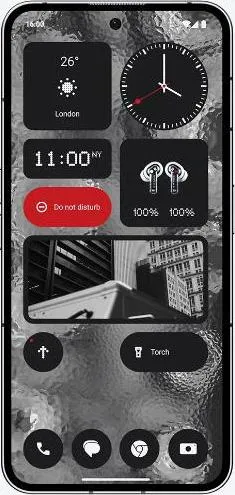
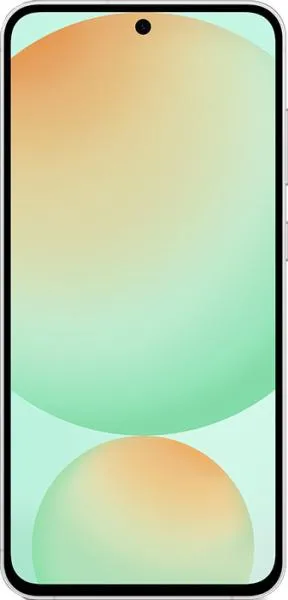
| Feature | Category | Nothing Phone (2) | Samsung Galaxy S24 FE | Practical Impact |
|---|---|---|---|---|
| Dimensions | Design | 162.1 x 76.4 x 8.6 mm, 201.2g | 162 x 77.3 x 8 mm, 213g | The S24 FE is slightly wider and heavier, but the difference is negligible in daily use. |
| Build | Design | Glass front/back, aluminum frame | Not specified | Build materials affect durability and premium feel. Information is missing for S24 FE. |
| Display Size & Type | Display | 6.7" LTPO OLED, 1B colors | 6.7" Dynamic AMOLED 2X | Both offer large, vibrant displays with excellent color reproduction. |
| Resolution | Display | 1080 x 2412 | 1080 x 2340 | Virtually identical pixel density, resulting in sharp visuals on both. |
| Refresh Rate | Display | 120Hz | 120Hz | Both offer smooth scrolling and animations. |
| Peak Brightness | Display | 1600 nits (typical), 1600 nits (peak) | 1900 nits (peak) | The S24 FE offers better visibility in direct sunlight. |
| Chipset | Performance | Snapdragon 8+ Gen 1 | Exynos 2400e | Both are powerful chips, but benchmarks will be needed to compare real-world performance of the Exynos 2400e against the established Snapdragon 8+ Gen 1. |
| CPU | Performance | Octa-core (1x3.0 GHz Cortex-X2 & 3x2.5 GHz Cortex-A710 & 4x1.80 GHz Cortex-A510) | 10-core (1x3.1 GHz + 2x2.9 GHz + 3x2.6 GHz + 4x1.95 GHz) | Core configurations differ, but practical performance depends on optimization. Real-world testing is needed. |
| GPU | Performance | Adreno 730 | Xclipse 940 | Gaming and graphics-intensive tasks will depend on GPU performance. Real-world comparisons are necessary. |
| RAM | Performance | 12GB | 8GB | The Nothing Phone (2) has more RAM, potentially enabling better multitasking and app switching. |
| Storage | Performance | 256GB/512GB | 256GB/512GB | Both offer ample storage options. |
| Battery Capacity | Battery | 4700 mAh | 4700 mAh | Similar battery capacity suggests comparable battery life, though usage patterns and software optimization play significant roles. |
| Charging Speed | Battery | Not specified | Not specified | Charging speed significantly impacts usability. This information is missing for both phones. |
| Main Camera | Camera | Not specified | Not specified | Camera performance is a crucial factor for many users. This critical information is missing. |
| Video Recording | Camera | Up to 4K@60fps with OIS/EIS | Up to 8K@30fps, 4K@120fps | The S24 FE boasts higher resolution and frame rate video recording capabilities. |
| OS | Software | Android 13, upgradable to 16 | Android 14 | The S24 FE launches with a newer Android version, potentially offering more features and longer software support. |
2. Key Differences Analysis
Nothing Phone (2) Advantages:
- More RAM: 12GB vs 8GB, potentially benefiting multitasking.
- Proven Chipset: Snapdragon 8+ Gen 1's performance is well-established.
Samsung Galaxy S24 FE Advantages:
- Brighter Display: 1900 nits peak brightness for better outdoor visibility.
- Newer OS: Android 14 at launch, potentially with longer software updates.
- Higher Resolution Video Recording: Up to 8K@30fps.
3. User Profiles & Recommendations
Nothing Phone (2): Users prioritizing multitasking, a familiar chipset, and a unique design.
Samsung Galaxy S24 FE: Users who value a bright display, the latest software, and advanced video recording capabilities.
4. Decision Framework
Key Questions for Buyers:
- How important is camera quality? This information is crucial but missing.
- Is having the latest Android version and features a priority?
- What is your budget and the expected price difference? Price is a major factor in the "medium price" range.
My Choice:
I would lean towards the Samsung Galaxy S24 FE, primarily due to its brighter display for better outdoor use and the newer Android OS promising longer software support. However, my decision is heavily contingent on the missing camera information. Camera performance is paramount for me, and without those details, this is a preliminary preference. The S24 FE also boasts superior video recording capabilities. The slightly heavier weight is insignificant to me compared to the benefits mentioned. The Exynos chipset is a concern, requiring real-world benchmarks to assess its performance against the Snapdragon 8+ Gen 1.
