1. Specifications Comparison
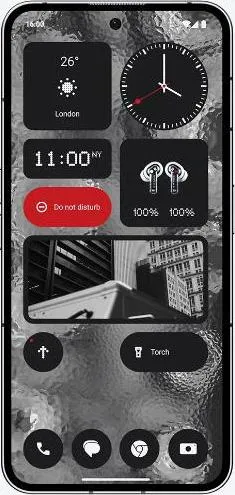
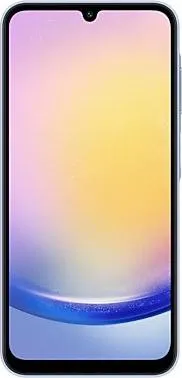
| Feature | Category | Nothing Phone (2) | Samsung Galaxy A25 | Practical Impact |
|---|---|---|---|---|
| Dimensions | Design | 162.1 x 76.4 x 8.6 mm | 161 x 76.5 x 8.3 mm | Virtually identical in size and feel. |
| Weight | Design | 201.2 g | 197 g | Negligible weight difference. |
| Build | Design | Glass front/back, aluminum frame | Unspecified | Material differences can impact durability and premium feel. Lack of information on A25 limits comparison. |
| Display Type | Display | LTPO OLED, 1B colors | Super AMOLED, 120Hz | Both offer vibrant colors and smooth scrolling. LTPO allows for more granular refresh rate control, potentially saving battery. |
| Display Size | Display | 6.7" | 6.5" | Slight size difference, likely unnoticeable in daily use. |
| Resolution | Display | 1080 x 2412 | 1080 x 2340 | Similar sharpness. |
| Peak Brightness | Display | 1600 nits | 1000 nits (HBM) | Nothing Phone (2) will be significantly more visible in direct sunlight. |
| Chipset | Performance | Snapdragon 8+ Gen 1 (4nm) | Exynos 1280 (5nm) | Significant performance advantage for the Nothing Phone (2) in demanding tasks and gaming. |
| CPU | Performance | Octa-core (1x3.0 GHz Cortex-X2 & 3x2.5 GHz Cortex-A710 & 4x1.80 GHz Cortex-A510) | Octa-core (2x2.4 GHz Cortex-A78 & 6x2.0 GHz Cortex-A55) | Superior CPU performance in the Nothing Phone (2), translating to faster app loading and smoother multitasking. |
| GPU | Performance | Adreno 730 | Mali-G68 | Nothing Phone (2) offers better gaming and graphics performance. |
| RAM | Performance | 12GB | 8GB | More RAM in the Nothing Phone (2) allows for smoother multitasking and better performance with demanding applications. |
| Storage | Performance | 256GB/512GB | 256GB | Nothing Phone offers a 512GB option for users needing more storage. |
| Battery Capacity | Battery | 4700 mAh | 5000 mAh | Larger battery in the Galaxy A25 potentially offers longer battery life. Real-world usage will vary depending on optimization. |
| OS | Software | Android 13, upgradable to 16 | Android 14, upgradable to 18 | A25 launches with a newer Android version and has longer software support commitment. |
| Video Capabilities | Camera | 4K@30/60fps (HDR, OIS, EIS) | 4K@30fps (EIS), 1080p@30fps (EIS) | Nothing Phone (2) offers superior video recording capabilities with higher frame rates and optical image stabilization (OIS). |
| Sensors | Security | accelerometer, gyro, proximity, compass, Fingerprint (under display) | accelerometer, gyro, compass, Fingerprint (side-mounted) | Both offer standard sensors. Fingerprint sensor placement is a matter of personal preference. |
2. Key Differences Analysis
Nothing Phone (2) Advantages:
- Significantly more powerful: The Snapdragon 8+ Gen 1 offers a major performance advantage over the Exynos 1280.
- Brighter display: The 1600 nits peak brightness ensures excellent outdoor visibility.
- Superior video recording: OIS and higher frame rate options provide smoother and more stable videos.
- More RAM: Better for multitasking and demanding applications.
Samsung Galaxy A25 Advantages:
- Larger battery: Potentially longer battery life.
- Newer Android version with longer support: Ensures security updates and new features for a longer period.
- Potentially lower price: Though both are mid-range, the A25 might be more budget-friendly.
3. User Profiles & Recommendations
Nothing Phone (2): Ideal for users who prioritize performance, a bright and vibrant display, and high-quality video recording. Suitable for gamers, power users, and content creators.
Samsung Galaxy A25: Suitable for users who prioritize battery life, software updates, and value for money. Best for casual users, social media browsing, and light gaming.
4. Decision Framework
Key Questions for Buyers:
- What is your budget?
- What are your primary smartphone usage patterns (gaming, photography, social media)?
- How important are software updates and longevity?
Scenario-Based Recommendations:
- Gamer: Nothing Phone (2) for its superior performance.
- Photographer/Videographer: Nothing Phone (2) for its better camera features.
- Casual User on a Budget: Samsung Galaxy A25 if battery life and long-term software support are priorities.
My Choice: Nothing Phone (2)
While the Samsung Galaxy A25 offers a larger battery and longer software support, the Nothing Phone (2)'s significant performance advantage, brighter display, and superior video recording capabilities are more compelling to me. I prioritize a smooth and responsive user experience, especially for gaming and media consumption, and the Snapdragon 8+ Gen 1 delivers that. The brighter display is also crucial for outdoor use. While battery life is important, I'm willing to potentially sacrifice a bit of longevity for a significantly better overall experience. The longer software update cycle of the A25 is a consideration, but the performance difference is too substantial to ignore for my usage pattern.
