1. Specifications Comparison
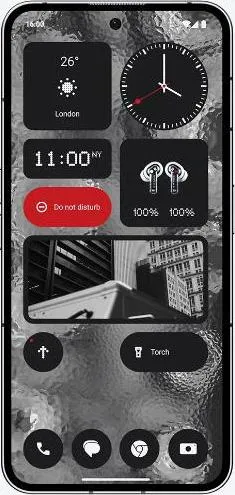
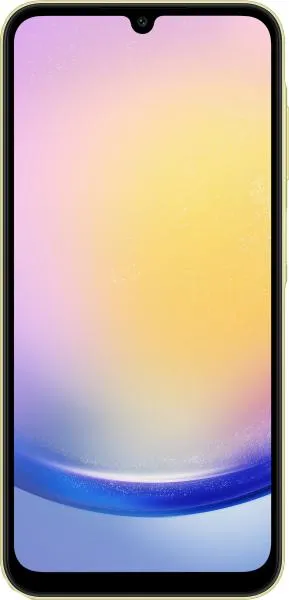
| Feature | Category | Nothing Phone (2) | Samsung Galaxy A15 | Practical Impact |
|---|---|---|---|---|
| Design | ||||
| Dimensions | Design | 162.1 x 76.4 x 8.6 mm | 160.1 x 76.8 x 8.4 mm | Negligible size difference; both are large phones. |
| Weight | Design | 201.2 g | 200 g | Virtually identical weight. |
| Build Material | Design | Missing | Missing | Build quality and durability cannot be assessed without this information. |
| Display | ||||
| Display Type | Display | LTPO OLED, 1B colors, 120Hz, HDR10+, 1600 nits (peak) | Super AMOLED, 90Hz, 800 nits (HBM) | Nothing Phone (2) offers smoother scrolling and animations with a higher refresh rate and potentially better color accuracy due to 1B colors. Significantly brighter, especially outdoors. |
| Resolution | Display | 1080 x 2412 pixels | 1080 x 2340 pixels | Very similar resolutions; sharpness differences will be negligible. |
| Size | Display | 6.7 inches | 6.5 inches | Slightly larger screen on the Nothing Phone (2), providing more screen real estate. |
| Performance | ||||
| Chipset | Performance | Snapdragon 8+ Gen 1 (4 nm) | Mediatek Helio G99 (6 nm) | Significant performance advantage for the Nothing Phone (2) in demanding tasks like gaming and multitasking. |
| CPU | Performance | Octa-core (1x3.0 GHz Cortex-X2 & 3x2.5 GHz...) | Octa-core (2x2.2 GHz Cortex-A76 &...) | The Nothing Phone's CPU architecture and clock speeds indicate superior processing power. |
| GPU | Performance | Adreno 730 | Mali-G57 MC2 | Adreno 730 offers considerably better graphics performance, resulting in smoother gameplay and faster rendering. |
| RAM | Performance | 12GB | 6GB/8GB | More RAM on the Nothing Phone (2) enables better multitasking and app switching. |
| Camera | ||||
| Video Capabilities | Camera | 4K@30/60fps (HDR, OIS, EIS), 1080p@30/60fps... | 1080p@30fps | Nothing Phone (2) offers significantly better video recording capabilities with higher resolution, frame rates, and stabilization features. |
| Battery | ||||
| Capacity | Battery | 4700 mAh | 5000 mAh | Larger battery capacity in the Galaxy A15, potentially leading to longer battery life despite having a less efficient processor. |
| Other | ||||
| OS | Other | Android 13 | Android 14 | Galaxy A15 launches with a newer Android version, likely receiving longer software updates. |
2. Key Differences Analysis
Nothing Phone (2) Advantages:
- Significantly more powerful: The Snapdragon 8+ Gen 1 offers a substantial performance advantage over the Helio G99, resulting in smoother gaming, faster app loading, and better multitasking.
- Superior display: Higher refresh rate, peak brightness, and likely better color accuracy.
- More advanced video recording: Higher resolution, frame rates, and stabilization options.
Samsung Galaxy A15 Advantages:
- Potentially longer battery life: Larger battery capacity may compensate for the less efficient processor.
- Newer OS: Launches with Android 14, suggesting longer software support.
- Lower Price (Potentially): Specific pricing isn't available, but A series phones generally target a lower price point than flagship competitors.
3. User Profiles & Recommendations
Nothing Phone (2): Ideal for users who prioritize performance, a high-quality display, and advanced camera features. Suitable for demanding tasks like gaming, video editing, and heavy multitasking.
Samsung Galaxy A15: Suitable for users who prioritize battery life and value long-term software updates. Best for everyday tasks like browsing, social media, and light gaming.
4. Decision Framework
Key Questions:
- What is your budget? The Nothing Phone (2) will likely be more expensive.
- What are your primary use cases? (Gaming, photography, general use)
- How important is long-term software support?
Scenario-Based Recommendations:
- Gamer: Nothing Phone (2)
- Casual User on a Budget: Samsung Galaxy A15
- Power User: Nothing Phone (2)
My Choice: Nothing Phone (2)
While the Samsung Galaxy A15 might offer longer battery life and newer software out of the box, the Nothing Phone (2)'s significant performance advantage, superior display, and more advanced camera features make it the compelling choice for me. I prioritize a smooth and responsive user experience, and the Snapdragon 8+ Gen 1 delivers that. The brighter, smoother display also enhances daily usage. While battery life is important, I'm willing to compromise slightly for the significant boost in overall performance and quality. The longer software support of the A15 is a consideration, but the superior hardware of the Nothing Phone (2) outweighs that for my personal needs.
