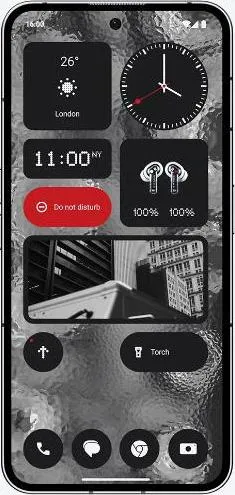
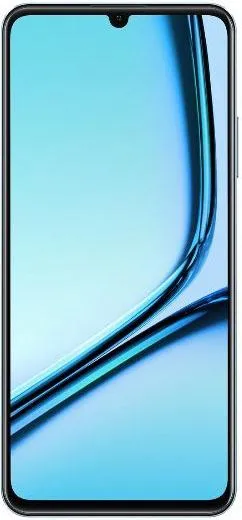
1. Specifications Comparison
| Feature | Nothing Phone (2) | Realme Note 50 | Practical Impact |
|---|---|---|---|
| Design | |||
| Dimensions (mm) | 162.1 x 76.4 x 8.6 | 167.2 x 76.7 x 8.0 | The Realme is slightly larger and taller. |
| Weight (g) | 201.2 | 186 | The Realme is noticeably lighter, improving one-handed use. |
| Build Materials | Missing | Missing | Material choice impacts durability and premium feel; information lacking for both. |
| Display | |||
| Display Type | LTPO OLED, 1B colors | IPS LCD | The Nothing Phone (2)'s OLED offers significantly better contrast, deeper blacks, and potentially lower power consumption. |
| Size (inches) | 6.7 | 6.74 | Negligible size difference. |
| Resolution | 1080 x 2412 | 720 x 1600 | The Nothing Phone (2) has a much sharper display, resulting in clearer text and images. |
| Refresh Rate (Hz) | 120 | 90 | The Nothing Phone (2)'s 120Hz refresh rate provides smoother scrolling and animations. |
| Peak Brightness (nits) | 1600 | 560 | The Nothing Phone (2) will be far more visible in direct sunlight. |
| Performance | |||
| Chipset | Snapdragon 8+ Gen 1 | Unisoc Tiger T612 | The Snapdragon 8+ Gen 1 in the Nothing Phone (2) offers vastly superior performance in demanding tasks and gaming. |
| CPU | Octa-core (1x3.0 GHz Cortex-X2 & 3x2.5 GHz Cortex-A710 & 4x1.80 GHz Cortex-A510) | Octa-core (2x1.8 GHz Cortex-A75 & 6x1.8 GHz Cortex-A55) | The Nothing Phone (2)'s CPU architecture is significantly more powerful and efficient. |
| GPU | Adreno 730 | Mali-G57 | The Adreno 730 provides a considerably better gaming and graphics rendering experience. |
| RAM | 12GB | 4GB | The Nothing Phone (2) offers much more RAM, enabling better multitasking and smoother performance with multiple apps. |
| Storage | 256GB/512GB | 128GB | More storage options on the Nothing Phone (2) cater to users with larger media libraries. |
| Camera | |||
| Rear Camera Specs | Missing | Missing | Cannot compare camera quality without detailed sensor and lens information. |
| Video Capabilities | 4K@30/60fps, 1080p@30/60fps (HDR, OIS, EIS) | 1080p@30fps | The Nothing Phone (2) offers higher resolution video recording with stabilization features (OIS, EIS) for smoother footage. |
| Battery | |||
| Capacity (mAh) | 4700 | 5000 | The Realme Note 50 has a slightly larger battery capacity, potentially offering longer battery life. However, real-world battery life depends on many factors including the display and chipset. |
| Charging Speed | Missing | Missing | Charging speed significantly impacts usability; information lacking for both. |
2. Key Differences Analysis
Nothing Phone (2) Advantages:
- Significantly more powerful: The Snapdragon 8+ Gen 1 outperforms the Unisoc Tiger T612 by a wide margin, ensuring a smoother and more responsive experience for demanding tasks and gaming.
- Superior display: The higher resolution, refresh rate, and OLED technology of the Nothing Phone (2)'s display result in a dramatically better visual experience.
- More RAM and Storage: Better equipped for multitasking and handling larger files.
Realme Note 50 Advantages:
- Larger Battery: Potentially longer battery life, though real-world usage will depend on other factors.
- Lighter Weight: More comfortable for extended use and one-handed operation.
- Lower Price: Positioned in the "low price" segment, offering greater affordability.
3. User Profiles & Recommendations
Nothing Phone (2): Ideal for users who prioritize performance, a high-quality display, and smooth multitasking. Suitable for demanding tasks, gaming, media consumption, and photography (assuming a capable camera system).
Realme Note 50: Best suited for budget-conscious users who prioritize basic functionality, long battery life, and lightweight design. Suitable for everyday communication, web browsing, and light media consumption.
4. Decision Framework
Key Questions:
- What is your budget? The Realme Note 50 is significantly more affordable.
- What are your primary use cases? Demanding tasks and gaming favor the Nothing Phone (2), while basic usage favors the Realme Note 50.
- How important is display quality? The Nothing Phone (2)'s display is vastly superior.
Scenario-Based Recommendations:
- Gamer: Nothing Phone (2)
- Budget-conscious student: Realme Note 50
- Professional needing a powerful device: Nothing Phone (2)
My Choice: Nothing Phone (2)
While missing some information (camera specs, build materials, charging speeds), the Nothing Phone (2) is the clear winner for me. The superior performance, vastly better display, and ample RAM/storage outweigh the potential benefits of the Realme Note 50's slightly larger battery and lower price. I prioritize a smooth, responsive user experience and a high-quality display, and the Nothing Phone (2) delivers in these crucial areas. The price difference is justifiable for the significant performance and feature upgrade. I am willing to accept the slightly heavier weight for the substantial gains in other areas.
