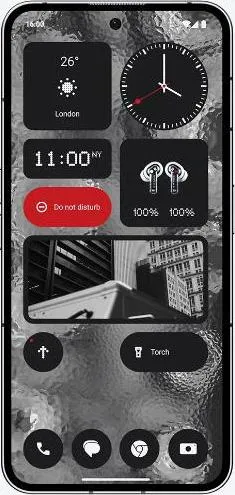

1. Specifications Comparison
| Feature | Nothing Phone (2) | Oppo Reno12 | Practical Impact |
|---|---|---|---|
| Design | |||
| Dimensions | 162.1 x 76.4 x 8.6 mm | 161.4 x 74.1 x 7.6 mm | Oppo Reno12 is slightly smaller and thinner, potentially improving one-handed usability. |
| Weight | 201.2 g | 177 g | Oppo Reno12 is noticeably lighter, reducing hand fatigue during extended use. |
| Display | |||
| Size | 6.7" | 6.7" | Same screen size, offering similar media consumption experience. |
| Type | LTPO OLED | AMOLED | Both offer vibrant colors and deep blacks. LTPO allows for dynamic refresh rate adjustment, potentially saving battery on the Nothing Phone (2). |
| Peak Brightness | 1600 nits | 1200 nits | Nothing Phone (2 should offer significantly better visibility in direct sunlight. |
| Resolution | 1080 x 2412 | 1080 x 2412 | Identical resolution, resulting in similar sharpness. |
| Refresh Rate | 120Hz | 120Hz | Both offer smooth scrolling and animations. |
| Performance | |||
| Chipset | Snapdragon 8+ Gen 1 | Dimensity 7300 Energy | Snapdragon 8+ Gen 1 offers significantly better performance in demanding tasks and gaming. |
| CPU | Octa-core (1x3.0 GHz Cortex-X2 & 3x2.5 GHz Cortex-A710 & 4x1.80 GHz Cortex-A510) | Octa-core (4x2.5 GHz Cortex-A78 & 4x2.0 GHz Cortex-A55) | Nothing Phone (2's CPU architecture provides a higher performance ceiling. |
| GPU | Adreno 730 | Mali-G615 MC2 | Adreno 730 offers superior graphics performance for gaming and visually intensive applications. |
| RAM | 12GB | 12GB | Equal RAM should provide smooth multitasking on both devices. |
| Storage | 256GB/512GB | 512GB | Nothing Phone offers a 256GB option, potentially lowering the entry price. |
| Camera | |||
| Video Capabilities | 4K@30/60fps (HDR, OIS, EIS), 1080p@30/60fps (HDR, OIS, EIS) | 4K@30fps (HDR, OIS, EIS), 1080p@30/60/120/480fps (HDR, OIS, EIS), 720p@960fps(HDR, OIS, EIS) | Oppo Reno12 offers more slow-motion video recording options. Specific sensor details and image quality are not available for comparison. |
| Battery | |||
| Capacity | 4700 mAh | 5000 mAh | Oppo Reno12 has a larger battery, potentially leading to longer battery life. Real-world usage will depend on software optimization. |
2. Key Differences Analysis
Nothing Phone (2) Advantages:
- Significantly more powerful: The Snapdragon 8+ Gen 1 provides a substantial performance advantage for demanding tasks and gaming.
- Brighter Display: The 1600 nits peak brightness ensures excellent outdoor visibility.
- Potentially better battery efficiency: The LTPO display allows for dynamic refresh rate adjustment.
Oppo Reno12 Advantages:
- Larger Battery: The 5000 mAh battery may offer longer battery life.
- Lighter and Slimmer: More comfortable for one-handed use and extended holding.
- More Slow-Motion Video Options: Provides greater flexibility for video recording.
- More recent Android version out of the box Android 14 provides security and feature updates compared to Android 13. While Nothing Phone 2 will likely receive the update, it's not guaranteed when.
3. User Profiles & Recommendations
Nothing Phone (2): Ideal for users who prioritize performance, a bright display, and a smooth user experience. Suitable for demanding tasks like gaming, video editing, and multitasking.
Oppo Reno12: Suitable for users who prioritize battery life, a lightweight and comfortable design, and extensive slow-motion video recording capabilities. Good for everyday use, social media, and casual content consumption.
4. Decision Framework
Key Questions for Buyers:
- What is your budget and storage requirement? The Nothing Phone (2) might offer a lower entry price with its 256GB option.
- What are your primary use cases? Gamers and power users will benefit from the Nothing Phone (2)'s superior performance. Users focused on battery life and portability might prefer the Oppo Reno12.
- How important is display brightness outdoors? The Nothing Phone (2)'s significantly brighter display is a major advantage in sunlight.
My Choice: Nothing Phone (2)
While the Oppo Reno12 offers a larger battery and lighter design, the significant performance advantage of the Nothing Phone (2) is the deciding factor for me. The Snapdragon 8+ Gen 1 provides a much better experience for demanding tasks and future-proofs the device. The brighter display is also crucial for outdoor use. I am willing to compromise slightly on battery life and weight for the superior performance and user experience. The availability of a 256 GB model potentially at a lower price point further strengthens the value proposition of the Nothing Phone (2).
