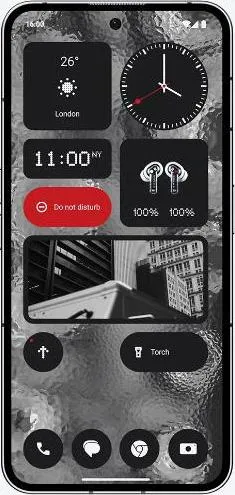

1. Specifications Comparison
| Feature | Nothing Phone (2) | Oppo Reno11 | Practical Impact |
|---|---|---|---|
| Design | |||
| Dimensions | 162.1 x 76.4 x 8.6 mm | 162.4 x 74.3 x 7.9 mm | Reno11 is slightly narrower, shorter, and thinner, potentially offering a more comfortable grip for some users. |
| Weight | 201.2 g | 182 g | The Reno11 is significantly lighter, reducing hand fatigue during extended use. |
| Build | Build materials are not specified for either phone, limiting comparison. | ||
| Display | |||
| Size | 6.7" | 6.7" | Identical screen sizes offer similar media consumption experiences. |
| Type | LTPO OLED | AMOLED | Both offer vibrant colors and deep blacks. LTPO allows for dynamic refresh rate adjustment, potentially saving battery on the Phone (2). |
| Resolution | 1080 x 2412 | 1080 x 2412 | Identical resolutions result in similar sharpness. |
| Refresh Rate | 120Hz | 120Hz | Both provide smooth scrolling and animations. |
| Peak Brightness | 1600 nits | 950 nits | The Phone (2)'s significantly higher peak brightness ensures better visibility in direct sunlight. |
| Performance | |||
| Chipset | Snapdragon 8+ Gen 1 | Dimensity 7050 | The 8+ Gen 1 in the Phone (2) offers significantly better performance for demanding tasks and gaming. |
| CPU | Octa-core (1x3.0 GHz Cortex-X2 & 3x2.5 GHz Cortex-A710 & 4x1.80 GHz Cortex-A510) | Octa-core (2x2.6 GHz Cortex-A78 & 6x2.0 GHz Cortex-A55) | The Phone (2)'s CPU architecture offers superior performance and efficiency. |
| GPU | Adreno 730 | Mali-G68 MC4 | The Adreno 730 provides a significant advantage in graphics performance for gaming and graphically intensive applications. |
| RAM | 12GB | 12GB | Both offer ample RAM for multitasking and smooth operation. |
| Storage | 256GB/512GB | 256GB | Phone (2) offers a 512GB storage option for users needing more space. |
| Camera | |||
| Rear Camera | Not specified | Not specified | Insufficient information to compare camera quality. |
| Video | Up to 4K@60fps with OIS/EIS | Up to 4K@30fps with EIS, slow-motion up to 960fps | Phone (2) offers higher resolution video recording with better stabilization (OIS). Reno11 offers more slow-motion options. |
| Battery | |||
| Capacity | 4700 mAh | 5000 mAh | Reno11 has a larger battery, potentially offering longer battery life. |
| Charging | Not specified | Not specified | Charging speeds are unknown, limiting comparison. |
2. Key Differences Analysis
Nothing Phone (2) Advantages:
- Significantly higher performance: The Snapdragon 8+ Gen 1 provides a substantial advantage in processing power, resulting in smoother gaming, faster app loading, and better multitasking.
- Brighter Display: The 1600 nits peak brightness ensures excellent outdoor visibility.
- Superior Video Stabilization: Optical Image Stabilization (OIS) in the Phone (2) delivers smoother and more stable video footage.
Oppo Reno11 Advantages:
- Lighter and Slimmer: Offers a more comfortable in-hand feel.
- Larger Battery: Potentially longer battery life.
- More Slow-Motion Video Options: Captures slow-motion video at various frame rates up to 960fps.
- Newer Android Version: Ships with Android 14, potentially offering newer features and longer software support.
Trade-offs:
- The Reno11's lower price point likely comes at the cost of performance compared to the Phone (2).
3. User Profiles & Recommendations
Nothing Phone (2): Ideal for users who prioritize performance, a bright display, and high-quality video recording. Suitable for demanding tasks like gaming, video editing, and heavy multitasking.
Oppo Reno11: Suitable for users seeking a lightweight and slim phone with potentially longer battery life and who value slow-motion video capture. Best for everyday tasks, social media, and casual gaming.
4. Decision Framework
Key Questions:
- What is your budget? Both are mid-range, but the specific pricing may influence the decision.
- What are your primary use cases? (Gaming, photography, general use)
- How important is performance and a bright display?
Scenario-Based Recommendations:
- Gamer: The Phone (2) is the clear choice due to its superior processing power.
- Casual User: The Reno11 may be sufficient if battery life and comfort are prioritized.
- Outdoor Enthusiast: The Phone (2)'s brighter display is advantageous in sunlight.
My Choice: Nothing Phone (2)
While the Oppo Reno11 offers a compelling combination of features like a larger battery and a lighter design, the Nothing Phone (2)'s superior performance stemming from the Snapdragon 8+ Gen 1 is the deciding factor for me. I prioritize a smooth and responsive user experience, especially for demanding tasks and gaming. The significantly brighter display is also a major plus for outdoor use. Although the Reno11's longer battery life is tempting, I'm willing to compromise slightly on battery for a significant boost in performance and a better overall user experience. The lack of complete camera specifications makes a definitive judgment on image quality difficult, but the Phone (2)'s superior video capabilities, including OIS, are a valuable advantage.
