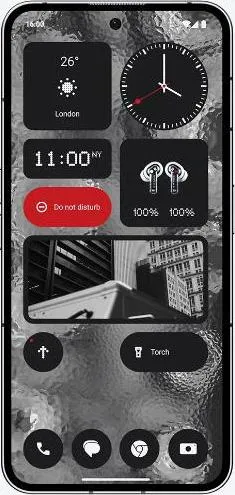
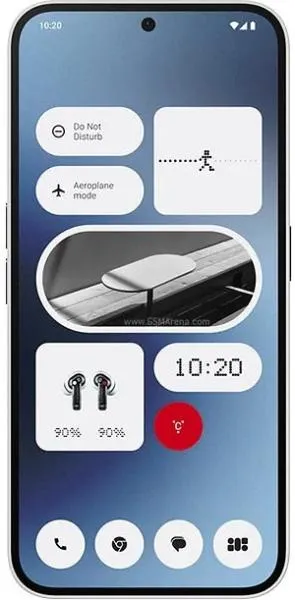
1. Specifications Comparison
| Feature | Nothing Phone (2) | Nothing Phone (2a) | Practical Impact |
|---|---|---|---|
| Design | |||
| Dimensions | 162.1 x 76.4 x 8.6 mm | 161.7 x 76.3 x 8.6 mm | Negligible size difference, practically identical in hand. |
| Weight | 201.2 g | 190 g | Phone (2a) is noticeably lighter, reducing hand fatigue during extended use. |
| Build Materials | Not specified | Not specified | Cannot compare build quality and durability. |
| Display | |||
| Display Type | LTPO OLED | AMOLED | LTPO offers better power efficiency due to variable refresh rate, potentially extending battery life on Phone (2). |
| Peak Brightness | 1600 nits | 1300 nits | Phone (2) will be significantly more visible in direct sunlight. |
| Resolution & Refresh Rate | 1080x2412, 120Hz | 1080x2412, 120Hz | Identical visual clarity and smooth scrolling experience. |
| Performance | |||
| Chipset | Snapdragon 8+ Gen 1 | Dimensity 7200 Pro | Phone (2) with Snapdragon 8+ Gen 1 offers significantly better performance in demanding tasks like gaming and multitasking. |
| CPU | Octa-core (1x3.0 GHz Cortex-X2 & 3x2.5 GHz Cortex-A710 & 4x1.80 GHz Cortex-A510) | Octa-core (2x2.8 GHz Cortex-A715 & 6x 2.0 Cortex-A510) | Phone (2)'s CPU architecture and higher clock speeds provide a substantial performance advantage. |
| GPU | Adreno 730 | Mali-G610 MC4 | Adreno 730 offers superior graphics performance, leading to smoother gaming and faster rendering. |
| RAM & Storage | 256GB/12GB, 512GB/12GB | 256GB/12GB | Phone (2) offers a 512GB storage option for users needing more space. |
| Camera | |||
| Video Capabilities | 4K@30/60fps (HDR, OIS, EIS) | 4K@30fps (EIS), 1080p@60/120fps (EIS) | Phone (2) benefits from OIS (Optical Image Stabilization) for steadier video recording, especially in 4K. It also offers HDR video recording for better dynamic range. |
| Specific Sensor Details | Not specified for either phone | Not specified for either phone | Cannot compare image quality, low-light performance, or other camera features. |
| Battery | |||
| Capacity | 4700 mAh | 5000 mAh | Larger battery in Phone (2a) suggests potentially longer battery life, but real-world usage will depend on optimization and display power consumption. |
2. Key Differences Analysis
Nothing Phone (2) Advantages:
- Significantly more powerful: The Snapdragon 8+ Gen 1 provides a substantial performance advantage for demanding tasks and gaming.
- Brighter Display: Better visibility outdoors.
- More stable video recording: OIS enables smoother footage.
- Potentially better battery life: Despite smaller capacity, LTPO display can dynamically adjust refresh rate saving power.
Nothing Phone (2a) Advantages:
- Lighter weight: More comfortable for extended use.
- Larger battery: Potentially longer battery life depending on usage.
- Lower Price: (implied based on the release date and generally how phone pricing works) Likely more affordable.
- Newer Android Version: Starts with Android 14 out of the box
3. User Profiles & Recommendations
Nothing Phone (2): Ideal for power users, gamers, and those who prioritize performance, a bright display, and stable video recording.
Nothing Phone (2a): Suitable for users seeking a lighter phone with potentially longer battery life at a likely more affordable price. Good for everyday tasks, social media, and casual gaming.
4. Decision Framework
Key Questions for Buyers:
- What is your budget? The Phone (2a) is likely cheaper.
- What are your primary phone usage patterns? Gaming and heavy multitasking benefit from Phone (2)'s superior performance.
- How important is battery life and portability? Phone (2a)'s larger battery and lighter weight might be preferable for some.
My Choice: Nothing Phone (2)
While the Nothing Phone (2a) offers a lighter design and larger battery, the significant performance difference offered by the Snapdragon 8+ Gen 1 in the Phone (2) is the deciding factor for me. I prioritize a smooth and responsive user experience, especially for demanding tasks and gaming. The brighter display is also a significant advantage for outdoor use. While the Phone (2a) is likely more affordable, I value the long-term performance and better user experience offered by the Phone (2). The potential for better battery life due to the LTPO display further reinforces my choice. The lack of OIS in the Phone (2a) for video recording is also a drawback for me.
