1. Specifications Comparison
| Feature | Category | Nothing Phone (2) | Motorola Razr 50 | Practical Impact |
|---|---|---|---|---|
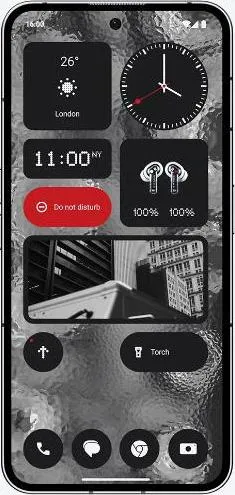
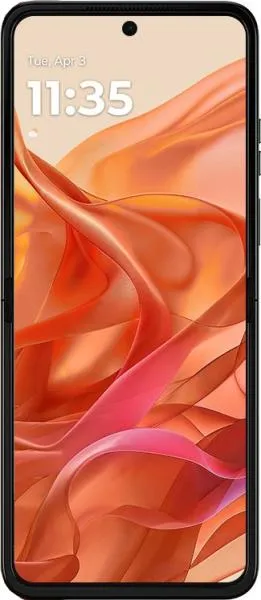
| Dimensions | Design | 162.1 x 76.4 x 8.6 mm | 171.3 x 74 x 7.3 mm | Razr 50 is taller and slightly narrower when unfolded, but significantly more compact when folded. Nothing Phone (2) is a traditional slab phone. |
| Weight | Design | 201.2 g | 188.4 g | Razr 50 is lighter despite its larger main display. |
| Foldable | Design | No | Yes | Razr 50 offers the portability and novelty of a folding design. |
| Display Type | Display | LTPO OLED, 1B colors, 120Hz, HDR10+ | Foldable LTPO AMOLED, 1B colors, 120Hz, HDR10+ | Both offer high-quality displays with vibrant colors and smooth refresh rates. Durability of the Razr 50's folding screen is a key concern. |
| Display Size | Display | 6.7" | 6.9" | Razr 50 provides a slightly larger main screen. |
| Resolution | Display | 1080 x 2412 | 1080 x 2640 | Razr 50 has a slightly higher resolution, resulting in marginally sharper visuals. |
| Peak Brightness | Display | 1600 nits | 3000 nits | Razr 50 boasts significantly higher peak brightness, ensuring better visibility in direct sunlight. |
| Chipset | Performance | Snapdragon 8+ Gen 1 | Mediatek Dimensity 7300X | Snapdragon 8+ Gen 1 generally offers superior performance compared to the Dimensity 7300X, especially in demanding tasks and gaming. |
| CPU | Performance | Octa-core (1x3.0 GHz Cortex-X2 & 3x2.5 GHz Cortex-A710 & 4x1.80 GHz Cortex-A510) | Octa-core (4x2.5 GHz Cortex-A78 & 4x2.0 GHz Cortex-A55) | Nothing Phone (2)'s CPU architecture is more modern and powerful. |
| GPU | Performance | Adreno 730 | Mali-G615 MC2 | Adreno 730 provides a significant advantage in graphics performance for gaming and other visually intensive applications. |
| RAM | Performance | 12GB | 12GB | Both offer ample RAM for multitasking. |
| Storage | Performance | 256GB/512GB | 512GB | Both offer sufficient storage options, though Nothing Phone (2) provides a 256 GB option for potentially lower cost. |
| Battery Capacity | Battery | 4700 mAh | 4200 mAh | Nothing Phone (2) has a larger battery capacity, potentially leading to longer battery life. Foldable phones often have compromises in battery life due to space constraints. |
| OS | Software | Android 13 | Android 14 | Razr 50 ships with a newer Android version, potentially offering more features and longer software support. |
| Main Camera Video | Camera | 4K@30/60fps (HDR, OIS, EIS) | 4K@30fps (EIS) | Nothing Phone (2) boasts optical image stabilization (OIS) in its video recording, leading to smoother footage. It also offers 4K at 60fps. Specific camera sensor details are missing for a comprehensive comparison. |
2. Key Differences Analysis
Nothing Phone (2) Advantages:
- Superior Performance: The Snapdragon 8+ Gen 1 significantly outperforms the Dimensity 7300X.
- Larger Battery: Potentially longer battery life.
- More Advanced Video Recording: OIS and 4K@60fps provide better video quality and stability.
Motorola Razr 50 Advantages:
- Foldable Design: Unique form factor offering portability and a larger screen in a smaller package.
- Brighter Display: Significantly brighter for excellent outdoor visibility.
- Newer OS: Ships with Android 14, offering the latest features and potentially longer software updates.
- Lighter Weight: Easier to carry and handle despite the larger main screen.
3. User Profiles & Recommendations
Nothing Phone (2): Ideal for users prioritizing performance, battery life, and a traditional smartphone experience. Suitable for gamers, power users, and those who consume or create multimedia content.
Motorola Razr 50: Best suited for users who value portability and a unique design above raw performance. Ideal for those who want a large screen that folds into a compact size for easier pocketability.
4. Decision Framework
Key Questions for Buyers:
- Performance vs. Portability: Is raw performance or a compact, foldable design more important?
- Battery Life vs. Brightness: Is longer battery life or a brighter display for outdoor use a higher priority?
- Traditional vs. Novel: Do you prefer a familiar smartphone experience or a cutting-edge foldable device?
At the end, write what you would choose and explain why!
I would choose the Nothing Phone (2). While the Razr 50's foldable design is appealing, my priorities lie in performance and overall user experience. The Snapdragon 8+ Gen 1 provides a significant performance advantage for demanding tasks and gaming, which are important to me. The larger battery capacity also suggests better longevity, a crucial factor in daily use. Although the Razr 50 offers a brighter display and newer OS, the performance gap and potential durability concerns of foldable phones outweigh these benefits for my personal needs. I also prefer the more established reliability and readily available accessories associated with a traditional slab phone design.
