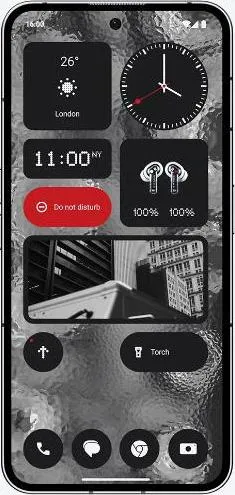

1. Specifications Comparison
| Feature | Nothing Phone (2) | Motorola Moto G85 | Practical Impact |
|---|---|---|---|
| Design | |||
| Dimensions | 162.1 x 76.4 x 8.6 mm | 161.9 x 73.1 x 7.6 mm | Moto G85 is slightly narrower, thinner, and lighter, potentially improving one-handed use. |
| Weight | 201.2 g | 171 g | Moto G85 is noticeably lighter, reducing hand fatigue during extended use. |
| Colors | White, Dark Gray | Cobalt Blue, Olive Green, Urban Grey, Magenta | Moto G85 offers more color options for personalization. |
| Display | |||
| Display Type | LTPO OLED, 1B colors, 120Hz, HDR10+ | P-OLED, 1B colors, 120Hz | Both offer smooth scrolling and vivid colors. Nothing Phone (2)'s LTPO panel allows for dynamic refresh rate adjustment, potentially saving battery. HDR10+ on the Nothing Phone (2) provides better contrast and color accuracy in supported content. |
| Size | 6.7" | 6.67" | Negligible size difference. |
| Resolution | 1080 x 2412 | 1080 x 2400 | Virtually identical pixel density, resulting in similar sharpness. |
| Peak Brightness | 1600 nits | 1600 nits | Both offer excellent outdoor visibility. |
| Performance | |||
| Chipset | Snapdragon 8+ Gen 1 | Snapdragon 6s Gen 3 | Significant difference. Snapdragon 8+ Gen 1 offers substantially better performance for demanding tasks, gaming, and multitasking. |
| CPU | Octa-core (1x3.0 GHz Cortex-X2 & 3x2.5 GHz Cortex-A710 & 4x1.80 GHz Cortex-A510) | Octa-core (2x2.3 GHz Cortex-A78 & 6x2.0 GHz Cortex-A55) | Nothing Phone (2) has a more powerful CPU architecture, leading to faster processing speeds. |
| GPU | Adreno 730 | Adreno 619 | Nothing Phone (2) provides a significantly more powerful GPU, enabling smoother gaming and faster graphics rendering. |
| RAM | 12GB | 12GB | Both phones offer ample RAM for multitasking. |
| Storage | 256GB/512GB | 256GB | Nothing Phone (2) offers a 512GB storage option for users needing more space. |
| Camera | |||
| Video Capabilities | 4K@30/60fps (HDR, OIS, EIS), 1080p@30/60fps (HDR, OIS, EIS) | 1080p@30/60fps | Nothing Phone (2) supports 4K video recording with OIS and EIS for significantly better video quality and stabilization. Missing details on Moto G85's camera capabilities limit a complete comparison. |
| Battery | |||
| Capacity | 4700 mAh | 5000 mAh | Moto G85 has a larger battery capacity, potentially offering longer battery life. However, real-world usage will depend on software optimization and individual use patterns. |
| Software | |||
| OS | Android 13 | Android 14 | Moto G85 ships with a newer Android version, offering potential benefits in terms of features and security updates. Information on update commitment for both phones is missing for a thorough comparison. |
2. Key Differences Analysis
Nothing Phone (2) Advantages:
- Significantly more powerful: The Snapdragon 8+ Gen 1 provides a major performance advantage for demanding tasks and gaming.
- Superior display: LTPO technology allows for dynamic refresh rate adjustment, saving battery. HDR10+ support provides better visual quality.
- Advanced video recording: 4K recording with OIS and EIS ensures high-quality and stable videos.
Motorola Moto G85 Advantages:
- Larger battery: Potentially longer battery life, but real-world performance depends on optimization.
- Lighter and thinner: More comfortable for one-handed use and extended periods.
- Newer Android version: May offer newer features and longer software support, although confirmation on update schedules is needed.
- More Color Options: Wider variety for personal preference
3. User Profiles & Recommendations
Nothing Phone (2): Ideal for users who prioritize performance, a high-quality display, and advanced camera features. Suitable for gamers, power users, and content creators.
Motorola Moto G85: Suitable for users who prioritize battery life, comfortable handling, and a more affordable price point. Best for everyday users focused on communication, social media, and light tasks.
4. Decision Framework
Key Questions for Buyers:
- What is your budget? The Nothing Phone (2) is likely more expensive given its superior specs.
- What are your primary use cases? Gamers and power users will benefit from the Nothing Phone (2)'s performance, while casual users might find the Moto G85 sufficient.
- How important is battery life and portability? The Moto G85's larger battery and lighter weight might be crucial for some users.
My Choice
I would choose the Nothing Phone (2). While the Moto G85 offers advantages in battery size and handling, the significant performance difference of the Nothing Phone (2) is crucial for my needs. I prioritize a smooth and responsive user experience, especially for multitasking and occasional gaming. The superior display and video recording capabilities are also significant factors. While battery life is important, I'm willing to prioritize performance and features. The slightly higher price for the Nothing Phone (2) is justified by the substantial upgrade in overall user experience it provides.
