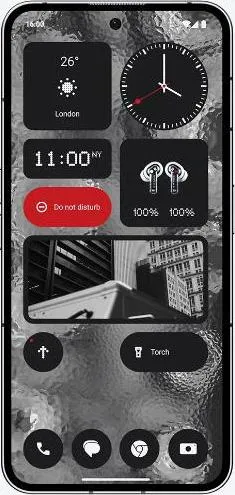
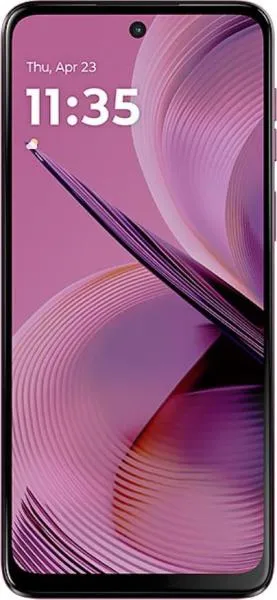
1. Specifications Comparison
| Feature | Category | Nothing Phone (2) | Motorola Moto G55 | Practical Impact |
|---|---|---|---|---|
| Dimensions | Design | 162.1 x 76.4 x 8.6 mm | 161.6 x 73.8 x 8.1 mm | Moto G55 is slightly smaller and thinner, potentially offering a better one-handed grip. |
| Weight | Design | 201.2 g | 179 g | Moto G55 is noticeably lighter, reducing hand fatigue during extended use. |
| Build | Design | Glass front/back, aluminum frame | Not specified | Durability and premium feel may differ. Lack of information on G55 build limits comparison. |
| Display Type | Display | LTPO OLED, 1B colors, 120Hz, HDR10+ | IPS LCD, 120Hz | Nothing Phone (2) offers significantly better contrast, deeper blacks, and potentially higher power efficiency due to LTPO technology. |
| Display Size | Display | 6.7" | 6.49" | Negligible difference in screen real estate. |
| Resolution | Display | 1080 x 2412 | 1080 x 2400 | Virtually identical pixel density, resulting in similar sharpness. |
| Peak Brightness | Display | 1600 nits | Not specified | Nothing Phone (2) will be significantly more visible in direct sunlight. Missing G55 data hinders full comparison. |
| Chipset | Performance | Snapdragon 8+ Gen 1 (4 nm) | Mediatek Dimensity 7025 (6 nm) | Nothing Phone (2) boasts a significantly more powerful processor, resulting in smoother performance, faster app loading, and better gaming capabilities. |
| CPU | Performance | Octa-core (1x3.0 GHz Cortex-X2 & 3x2.5 GHz Cortex-A710 & 4x1.80 GHz Cortex-A510) | Octa-core (2x2.5 GHz Cortex-A78 & 6x2.0 GHz Cortex-A55) | The superior core configuration of the Nothing Phone (2) translates to a noticeable performance advantage in demanding tasks. |
| GPU | Performance | Adreno 730 | IMG BXM-8-256 | Nothing Phone (2) offers significantly better graphics performance for gaming and visually intensive applications. |
| RAM | Performance | 12GB | 8GB | More RAM in Nothing Phone (2) allows for better multitasking and smoother performance with multiple apps open. |
| Storage | Performance | 256GB/512GB | 256GB | Comparable storage options, though Nothing Phone (2) offers a higher 512GB variant. |
| Battery Capacity | Battery | 4700 mAh | 5000 mAh | Moto G55 has a larger battery, potentially offering longer battery life. Real-world usage will depend on optimization. |
| OS | Software | Android 13, upgradable to 16 | Android 14 | Moto G55 launches with a newer Android version but long-term OS support information is missing for both. |
| Video Capabilities | Camera | 4K@30/60fps (HDR, OIS, EIS), 1080p@30/60fps | 1080p@30/60fps | Nothing Phone (2) supports 4K video recording with OIS and EIS for significantly better video quality and stabilization. |
2. Key Differences Analysis
Nothing Phone (2) Advantages:
- Significantly superior performance: Snapdragon 8+ Gen 1 offers a substantial advantage for demanding tasks and gaming.
- Higher quality display: LTPO OLED provides better contrast, colors, and power efficiency.
- Brighter display: Better visibility outdoors.
- Superior video recording: 4K resolution, OIS, and EIS.
Motorola Moto G55 Advantages:
- Larger battery capacity: Potentially longer battery life.
- Lighter weight: More comfortable for extended use.
- Newer base Android version: Ships with Android 14.
3. User Profiles & Recommendations
Nothing Phone (2): Users who prioritize performance, a high-quality display, and advanced features like superior video recording. Suitable for mobile gamers, power users, and content creators.
Motorola Moto G55: Users who prioritize battery life, a lightweight design, and affordability. Suitable for casual users, budget-conscious buyers, and those who primarily use their phones for basic tasks.
4. Decision Framework
Key Questions:
- What is your budget? Both are mid-range, but actual pricing needs comparison.
- What are your primary phone usage patterns? (Gaming, media consumption, basic communication)
- Which features are most important to you? (Performance, battery life, display quality)
My Choice: Nothing Phone (2)
While the Moto G55 offers a larger battery and lighter weight, the Nothing Phone (2)'s significant performance advantage, superior display, and better video recording capabilities make it the clear winner for me. I prioritize a smooth and responsive user experience, especially for gaming and media consumption. The brighter, more vibrant OLED display is also a major draw. The slightly heavier weight and potentially shorter battery life are acceptable trade-offs for the significant gains in overall performance and user experience. The lack of specific build material information for the Moto G55 and its peak brightness also make it harder to recommend confidently. A powerful phone that can handle demanding tasks with a stunning display outweighs the benefits of a slightly larger battery and lighter weight in my personal use case.
