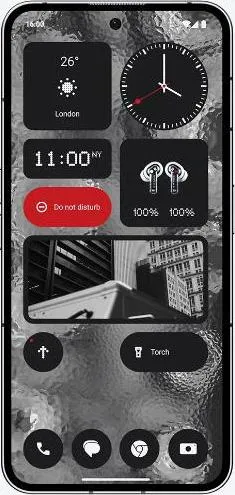
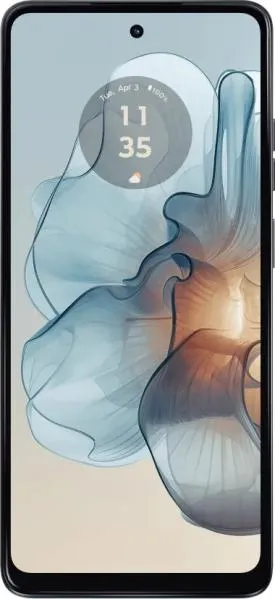
1. Specifications Comparison
| Feature | Nothing Phone (2) | Motorola Moto G24 Power | Practical Impact |
|---|---|---|---|
| Design | |||
| Dimensions (mm) | 162.1 x 76.4 x 8.6 | 163.5 x 74.5 x 9 | Nothing Phone (2) is slightly shorter, narrower, and thinner. |
| Weight (g) | 201.2 | 197 | Negligible weight difference in practical use. |
| Fingerprint Sensor | In-display | Side-mounted | Preference-based; in-display is often considered more modern. |
| Display | |||
| Display Type | LTPO OLED | IPS LCD | Nothing Phone (2) offers superior contrast, deeper blacks, and potentially better power efficiency due to LTPO. |
| Display Size (inches) | 6.7 | 6.56 | Slight difference in screen real estate; Nothing Phone (2) is marginally larger. |
| Resolution | 1080 x 2412 | 720 x 1612 | Significantly sharper and more detailed visuals on the Nothing Phone (2). |
| Refresh Rate (Hz) | 120 | 90 | Smoother animations and scrolling on the Nothing Phone (2). |
| Peak Brightness (nits) | 1600 | 537 | Nothing Phone (2) will be significantly more visible in direct sunlight. |
| Performance | |||
| Chipset | Snapdragon 8+ Gen 1 | Helio G85 | Substantial performance difference; Nothing Phone (2) will handle demanding tasks and gaming much better. |
| CPU | Octa-core (1x3.0 GHz Cortex-X2 & 3x2.5 GHz Cortex-A710 & 4x1.80 GHz Cortex-A510) | Octa-core (2x2.0 GHz Cortex-A75 & 6x1.7 GHz Cortex-A55) | Faster processing speeds and improved multi-tasking on the Nothing Phone (2). |
| GPU | Adreno 730 | Mali-G52 MC2 | Much more powerful GPU on the Nothing Phone (2) for superior gaming and graphics rendering. |
| RAM/Storage | 256GB/12GB, 512GB/12GB | 128GB/8GB | More RAM and storage options available on the Nothing Phone (2), allowing for smoother multitasking and ample file storage. |
| Camera | |||
| Video Capabilities | 4K@30/60fps (HDR, OIS, EIS), 1080p@30/60fps (HDR, OIS, EIS) | 1080p@30fps | Nothing Phone (2) offers higher resolution video recording with optical and electronic image stabilization for smoother footage. We lack detailed camera sensor specifications for a more thorough comparison. |
| Battery | |||
| Capacity (mAh) | 4700 | 6000 | Larger battery capacity on the Moto G24 Power suggests longer battery life, but real-world usage will vary due to other factors like the display and processor. |
2. Key Differences Analysis
Nothing Phone (2) Advantages:
- Significantly more powerful: The Snapdragon 8+ Gen 1 outperforms the Helio G85 in all aspects, resulting in a smoother and more responsive user experience, especially for demanding tasks and gaming.
- Superior display: The LTPO OLED display offers vibrant colors, deep blacks, high brightness, and a 120Hz refresh rate for a premium visual experience.
- More versatile camera: Offers higher resolution video recording with stabilization.
Motorola Moto G24 Power Advantages:
- Larger battery capacity: The 6000mAh battery likely provides significantly longer battery life, catering to users who prioritize all-day usage.
- Lower price: Being in the "low price" range, it offers greater affordability.
3. User Profiles & Recommendations
Nothing Phone (2): Ideal for users who value performance, a premium display, and a versatile camera. Suitable for power users, gamers, and content creators.
Motorola Moto G24 Power: Best suited for users who prioritize long battery life and affordability over raw performance and premium features. Ideal for users with basic smartphone needs, such as communication, web browsing, and light media consumption.
4. Decision Framework
Key Questions for Buyers:
- What is your budget? The price difference between these phones is significant.
- What are your primary smartphone usage patterns? Heavy gaming, content creation, or basic communication?
- How important is battery life to you? Do you need a phone that can last multiple days on a single charge?
Scenario-Based Recommendations:
- Limited budget, prioritize battery life: Moto G24 Power
- Value performance and premium features: Nothing Phone (2)
My Choice: Nothing Phone (2)
While the Moto G24 Power offers impressive battery life and affordability, the Nothing Phone (2)'s superior performance, stunning display, and more versatile camera system make it a more compelling choice for me. I prioritize a smooth and responsive user experience, a high-quality display for media consumption, and the ability to handle demanding tasks without lag. I am willing to compromise on battery life (and potentially carry a power bank) for the significant performance and feature upgrades offered by the Nothing Phone (2). The higher resolution and refresh rate drastically improve daily usability. The much faster processor future-proofs the device and ensures a smooth user experience for years to come.
