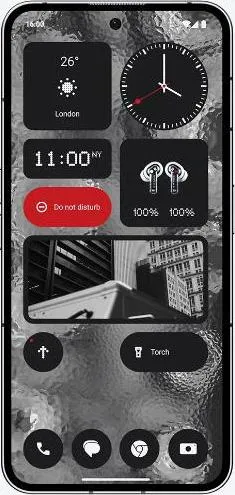
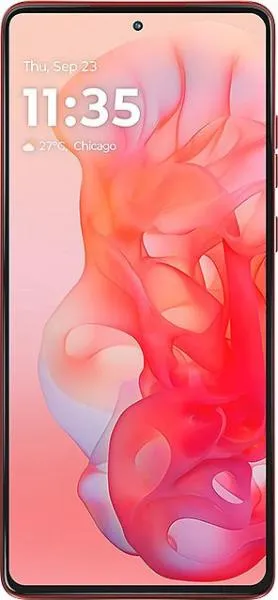
1. Specifications Comparison
| Feature | Category | Nothing Phone (2) | Motorola Moto G Stylus 5G (2024) | Practical Impact |
|---|---|---|---|---|
| Dimensions | Design | 162.1 x 76.4 x 8.6 mm | 162.6 x 74.8 x 8.3 mm | Moto G Stylus is slightly narrower and thinner. Negligible difference in hand feel. |
| Weight | Design | 201.2 g | 190 g | Moto G Stylus is noticeably lighter, reducing hand fatigue during extended use. |
| Build | Design | Missing | Missing | Build materials impact durability and premium feel. Information needed for comparison. |
| Display Type | Display | LTPO OLED, 1B colors, 120Hz, HDR10+ | P-OLED, 1B colors, 120Hz | Both offer smooth scrolling and vibrant colors. LTPO allows for more granular refresh rate control, potentially saving battery. |
| Peak Brightness | Display | 1600 nits | 1200 nits | Nothing Phone (2) will be significantly more visible in direct sunlight. |
| Resolution | Display | 1080 x 2412 | 1080 x 2400 | Virtually identical pixel density, resulting in similar sharpness. |
| Chipset | Performance | Snapdragon 8+ Gen 1 | Snapdragon 6 Gen 1 | Nothing Phone (2) boasts a significantly more powerful processor, enabling smoother multitasking, faster app loading, and better gaming performance. |
| RAM | Performance | 12GB | 8GB | More RAM in Nothing Phone (2) allows for more apps to run in the background without reloading, improving multitasking. |
| Storage | Performance | 256/512GB | 256GB | Similar storage options, but the Nothing Phone (2) offers a 512GB variant for users needing more space. |
| OS | Software | Android 13, upgradable to 16 | Android 14, upgradable to 15 | Nothing Phone will receive longer software updates. Moto G Stylus ships with a newer Android version out of the box. |
| Battery Capacity | Battery | 4700 mAh | 5000 mAh | Moto G Stylus has a larger battery, potentially offering longer battery life. Real-world usage will depend on optimization. |
| Charging Speed | Battery | Missing | Missing | Charging speed significantly impacts usability. This information is crucial for comparison. |
| Main Camera | Camera | Missing | Missing | Detailed camera specifications (sensor size, aperture) are needed for meaningful comparison. |
| Video Capabilities | Camera | 4K@30/60fps (OIS, EIS) | 4K@30fps, 1080p@120fps | Both offer good video recording options. Nothing Phone (2) highlights OIS/EIS for smoother footage at 4K. Moto G Stylus offers 120fps slow-motion at 1080p. |
| Stylus | Features | No | Yes | Moto G Stylus includes a built-in stylus for note-taking, drawing, and precise screen interaction. |
2. Key Differences Analysis
Nothing Phone (2) Advantages:
- Significantly more powerful processor: Smoother performance for demanding tasks and gaming.
- Brighter Display: Better outdoor visibility.
- More RAM: Superior multitasking capabilities.
- Longer Software Support: Will receive updates for a longer period.
Motorola Moto G Stylus 5G (2024) Advantages:
- Larger Battery: Potentially longer battery life.
- Lighter Weight: More comfortable for extended use.
- Integrated Stylus: Enables precise on-screen interaction and note-taking.
- Lower Price (Inferred): Snapdragon 6 Gen 1 generally indicates a lower price point than Snapdragon 8+ Gen 1.
3. User Profiles & Recommendations
Nothing Phone (2): Ideal for users who prioritize performance, a vibrant display, and future-proof software. Suitable for demanding tasks, gaming, and media consumption.
Motorola Moto G Stylus 5G (2024): Best for users who value battery life, note-taking capabilities, a lighter phone, and affordability. Well-suited for students, artists, and casual users.
4. Decision Framework
Key Questions for Buyers:
- What is your budget? The Nothing Phone (2) is likely more expensive.
- What are your performance needs? Gamers and power users will prefer the Nothing Phone (2).
- Do you need a stylus? The Moto G Stylus is the clear choice for note-takers and artists.
My Choice: Nothing Phone (2)
While the Moto G Stylus offers appealing features like the stylus and potentially longer battery life, the significantly superior performance of the Nothing Phone (2) is the deciding factor for me. The Snapdragon 8+ Gen 1 ensures a smooth and responsive experience for years to come, which I prioritize over minor differences in weight or battery capacity. The brighter display is also a significant advantage for outdoor use. While I acknowledge the potential price difference, the long-term value offered by the Nothing Phone (2)'s powerful hardware and extended software support makes it the more compelling choice. I am willing to compromise on battery life for a significantly better overall user experience.
