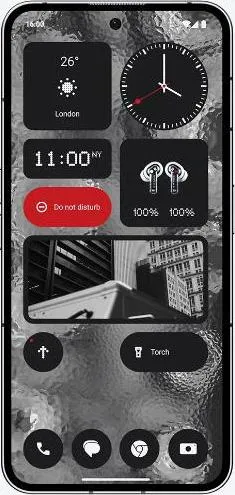
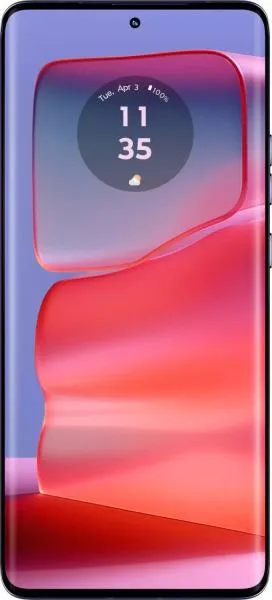
1. Specifications Comparison
| Feature | Category | Nothing Phone (2) | Motorola Edge 50 Pro | Practical Impact |
|---|---|---|---|---|
| Dimensions | Design | 162.1 x 76.4 x 8.6 mm, 201.2g | 161.2 x 72.4 x 8.2 mm, 186g | The Motorola is noticeably lighter and slightly thinner, making it more comfortable for one-handed use and pocket carry. |
| Build | Design | Build materials are not specified for either phone, limiting a comprehensive comparison. | ||
| Display Type | Display | 6.7" LTPO OLED, 1B colors | 6.7" P-OLED, 1B colors | Both offer vibrant colors and deep blacks. LTPO allows for dynamic refresh rate adjustment on the Nothing Phone (2), potentially saving battery. |
| Resolution | Display | 1080 x 2412 (394 ppi) | 1220 x 2712 (446 ppi) | The Motorola has a sharper display due to its higher resolution and pixel density, resulting in crisper text and images. |
| Refresh Rate | Display | 120Hz | 144Hz | The Motorola offers a smoother scrolling and gaming experience with its higher refresh rate. However, the difference between 120Hz and 144Hz might not be perceptible to all users. |
| Peak Brightness | Display | 1600 nits | 2000 nits | The Motorola's higher peak brightness ensures better visibility in direct sunlight. |
| Chipset | Performance | Snapdragon 8+ Gen 1 (4nm) | Snapdragon 7 Gen 3 (4nm) | The Nothing Phone (2) boasts a significantly more powerful flagship processor, resulting in superior performance for demanding tasks and gaming. |
| CPU | Performance | Octa-core (1x3.0 GHz Cortex-X2 & 3x2.5 GHz Cortex-A710 & 4x1.80 GHz Cortex-A510) | Octa-core (1x2.63 GHz Cortex-A715 & 4x2.4 GHz Cortex-A715 & 3x1.8 GHz Cortex-A510) | The Nothing Phone (2)'s CPU architecture and clock speeds indicate a substantial performance advantage over the Motorola. |
| GPU | Performance | Adreno 730 | Adreno 720 | The Adreno 730 in the Nothing Phone (2) provides a better graphical performance for gaming and other visually intensive applications. |
| RAM/Storage | Performance | 256GB/12GB, 512GB/12GB | 256GB/12GB, 512GB/12GB | Both phones offer ample RAM and storage options for smooth multitasking and storing large files. |
| Battery | Battery | 4700 mAh | 4500 mAh | The Nothing Phone (2) has a slightly larger battery capacity, potentially offering longer battery life. However, real-world battery life depends on various factors including usage patterns and software optimization. |
| Charging Speed | Battery | Not specified | Not specified | Charging speed comparison is not possible due to missing information. |
| Main Camera | Camera | Not specified | Not specified | Camera performance comparison is not possible due to missing information. |
| Video Recording | Camera | Up to 4K@60fps with OIS/EIS | Up to 4K@30fps with EIS | The Nothing Phone (2) supports higher resolution and frame rate video recording with both Optical (OIS) and Electronic Image Stabilization (EIS), potentially resulting in smoother and more stable videos. The Motorola only offers EIS. |
| OS | Software | Android 13, upgradable to 16 | Android 14, upgradable to 17 | The Motorola ships with a newer Android version and is promised a longer software update cycle, benefiting from security patches and new features for a longer period. |
2. Key Differences Analysis
Nothing Phone (2) Advantages:
- Significantly more powerful processor: The Snapdragon 8+ Gen 1 provides a considerable performance advantage for demanding tasks, gaming, and future-proofing.
- Superior video recording capabilities: Offers higher resolution and frame rates with both OIS and EIS.
- Slightly larger battery: Potentially resulting in longer battery life.
- Dynamic refresh rate: Potentially saving battery power.
Motorola Edge 50 Pro Advantages:
- Sharper display: Higher resolution and pixel density result in a more detailed visual experience.
- Higher refresh rate display: Smoother scrolling and gaming experience.
- Brighter display: Better visibility in sunlight.
- Lighter and thinner design: More comfortable to hold and carry.
- Newer Android version with longer update promise: Access to the latest features and security patches for a longer period.
- USB Type-C 3.1 with DisplayPort 1.4: Faster data transfer and the ability to connect to external displays (with appropriate adapter).
3. User Profiles & Recommendations
Nothing Phone (2): Ideal for power users, gamers, and those who prioritize performance and future-proofing. Best for demanding tasks, content creation, and gaming.
Motorola Edge 50 Pro: Suitable for users who prioritize a sleek design, a smooth and sharp display, and longer software support. Best for everyday use, media consumption, and casual gaming. Good choice for those who value software updates and modern connectivity options.
4. Decision Framework
Key Questions for Buyers:
- What is your budget and how important is raw performance? The Nothing Phone (2) commands a premium for its flagship processor.
- What is your primary use case? Gaming and demanding tasks benefit from the Nothing Phone's power, while everyday use and media consumption are well-served by the Motorola's display and design.
- How important is software update longevity? The Motorola offers a longer software support commitment.
My Choice: Motorola Edge 50 Pro
While the Nothing Phone (2) boasts a more powerful processor, the Motorola Edge 50 Pro better suits my needs. I prioritize a comfortable and sleek design, a sharp and smooth display for media consumption, and the assurance of longer software updates. The Snapdragon 7 Gen 3 is powerful enough for my daily usage, which doesn't include heavy gaming. The lighter weight, brighter display, and newer Android version with a longer update promise make the Motorola Edge 50 Pro a more compelling overall package for me. The inclusion of USB 3.1 with DisplayPort 1.4 offers valuable flexibility for connecting to external displays, a feature I appreciate. While I acknowledge the Nothing Phone (2)'s performance advantage, the Motorola strikes a better balance of features, usability, and longevity for my personal preferences.
