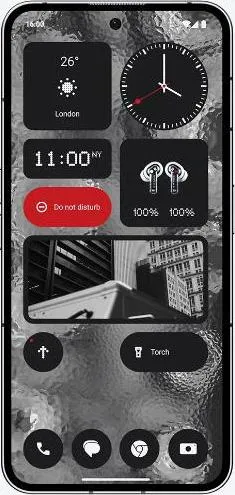
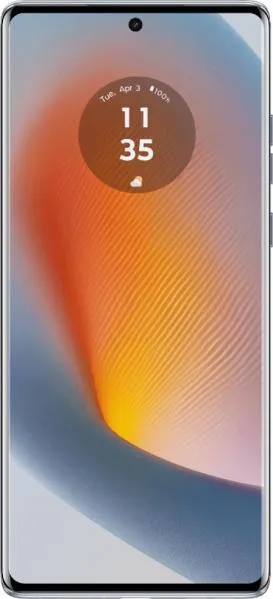
1. Specifications Comparison
| Feature | Category | Nothing Phone (2) | Motorola Edge 50 Fusion | Practical Impact |
|---|---|---|---|---|
| Dimensions (mm) | Design | 162.1 x 76.4 x 8.6 | 161.9 x 73.1 x 7.9 | Motorola is slightly thinner and narrower, potentially offering a better one-handed grip. |
| Weight (g) | Design | 201.2 | 174.9 | Motorola is significantly lighter, reducing hand fatigue during extended use. |
| Build | Design | Glass front & back, aluminum frame | Not specified | Durability and premium feel cannot be fully compared without Motorola's build materials. |
| Display Size (inches) | Display | 6.7 | 6.7 | Identical screen sizes offer similar media consumption experiences. |
| Display Type | Display | LTPO OLED | P-OLED | Both are high-quality display technologies offering vibrant colors and deep blacks. LTPO allows for more granular refresh rate control, potentially saving battery. |
| Refresh Rate (Hz) | Display | 120 | 120/144 (Region Dependent) | Both offer smooth scrolling and animations. The 144Hz mode on the Motorola (in some regions) provides a slightly more fluid experience for fast-paced gaming but may impact battery life. |
| Peak Brightness (nits) | Display | 1600 | 1600 | Both offer excellent outdoor visibility. |
| Resolution | Display | 1080 x 2412 | 1080 x 2400 | Negligible difference in sharpness due to similar pixel density. |
| Chipset | Performance | Snapdragon 8+ Gen 1 | Snapdragon 7s Gen 2 | Nothing Phone (2) boasts a significantly more powerful processor, leading to faster app loading, smoother multitasking, and better gaming performance. |
| CPU | Performance | Octa-core (1x3.0 GHz Cortex-X2 & 3x2.5 GHz Cortex-A710 & 4x1.80 GHz Cortex-A510) | Octa-core (4x2.40 GHz Cortex-A78 & 4x1.95 GHz Cortex-A55) | The superior CPU architecture of the Nothing Phone (2) results in noticeably faster processing speeds. |
| GPU | Performance | Adreno 730 | Adreno 710 | The more powerful GPU in the Nothing Phone (2) provides a significant advantage in gaming and graphically demanding tasks. |
| RAM | Performance | 12GB | 8GB | More RAM in the Nothing Phone (2) allows for more apps to run in the background without reloading, improving multitasking. |
| Storage | Performance | 256GB/512GB | 256GB | Both offer ample storage; however, the Nothing Phone (2) provides a 512GB option for users needing more space. |
| Battery Capacity (mAh) | Battery | 4700 | 5000 | Larger battery in the Motorola suggests longer battery life, but real-world usage will depend on optimization and individual usage patterns. |
| OS | Software | Android 13 | Android 14 | Motorola launches with a newer Android version, potentially offering more features and longer software support. |
| Main Camera (Resolution) | Camera | Not specified | Not specified | Camera performance cannot be compared without sensor details and aperture information. |
| Video Recording | Camera | Up to 4K@60fps with OIS/EIS | Up to 4K@30fps with EIS | Nothing Phone (2) supports higher resolution and frame rate video recording with both Optical (OIS) and Electronic (EIS) image stabilization for smoother videos. |
2. Key Differences Analysis
Nothing Phone (2) Advantages:
- Significantly more powerful processor: Resulting in smoother performance for demanding tasks, gaming, and multitasking.
- More RAM: Enabling better multitasking and smoother app switching.
- Higher quality video recording capabilities: Offering higher resolution and frame rates with superior stabilization.
- More storage options: Providing flexibility for users with high storage needs.
- LTPO Display: Potentially leading to better battery life due to dynamic refresh rate adjustment.
Motorola Edge 50 Fusion Advantages:
- Larger battery capacity: Potentially offering longer battery life.
- Lighter and slightly thinner design: Improving one-handed usability and reducing fatigue.
- Newer Android OS: Providing access to the latest features and potentially longer software updates.
- Potentially Higher Refresh Rate: 144Hz in some regions can provide a smoother experience, especially in gaming.
Trade-offs:
- Performance vs. Battery Life: The Nothing Phone (2)'s powerful processor might consume more battery despite the LTPO display. The Motorola prioritizes battery life with a less demanding processor.
- Price vs. Features: Pricing information is missing, but generally, more powerful processors come at a higher cost. Users need to evaluate the price difference against the performance gains.
3. User Profiles & Recommendations
Nothing Phone (2): Ideal for users who prioritize performance, smooth multitasking, high-quality video recording, and gaming. Examples: Power users, mobile gamers, content creators.
Motorola Edge 50 Fusion: Suitable for users who prioritize battery life, comfortable handling, and the latest software features. Examples: Casual users, social media enthusiasts, users on a tighter budget.
4. Decision Framework
Key Questions for Buyers:
- What is your budget? The price difference between the two phones might significantly influence the decision.
- What are your primary smartphone usage patterns? (Gaming, multitasking, media consumption, social media, etc.)
- How important is battery life to you?
My Choice: Nothing Phone (2)
While the Motorola Edge 50 Fusion offers advantages in battery life and potentially price, the Nothing Phone (2)'s superior performance, RAM, video recording capabilities, and potential for better battery optimization with the LTPO display make it a more compelling device for my needs. I prioritize a smooth and responsive user experience, and the Snapdragon 8+ Gen 1 delivers that significantly better than the Snapdragon 7s Gen 2. The extra RAM also ensures seamless multitasking, which is crucial for my workflow. Although the Motorola boasts a larger battery, the real-world difference might be less significant considering the Nothing Phone (2)'s LTPO display. Ultimately, the significant performance advantage of the Nothing Phone (2) outweighs the Motorola's benefits in battery and handling for my usage.
