1. Specifications Comparison
| Feature | Nothing Phone (2) | Huawei nova 12i | Practical Impact |
|---|---|---|---|
| Design | |||
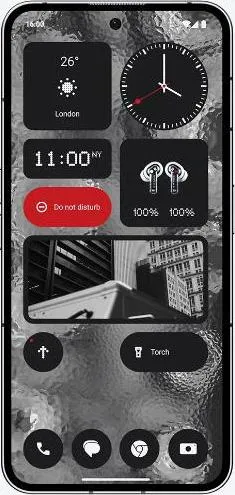
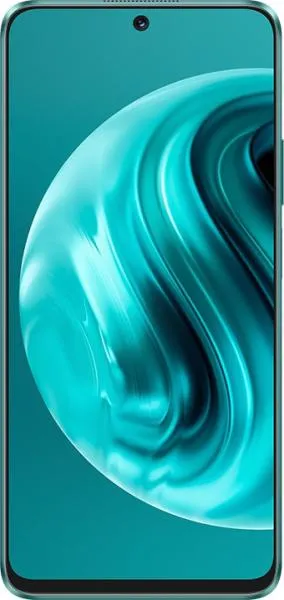
| Dimensions | 162.1 x 76.4 x 8.6 mm | 163.3 x 74.7 x 8.4 mm | Virtually identical in size, with the Nova 12i being slightly thinner. Negligible difference in hand feel. |
| Weight | 201.2 g | 199 g | Negligible weight difference. |
| Build | Glass front (Gorilla Glass 5), aluminum frame | Missing Information | Build quality and durability comparison impossible without Nova 12i's build material. |
| Display | |||
| Display Type | LTPO OLED, 1B colors, 120Hz | IPS LCD, 90Hz | The Nothing Phone (2) will have significantly better contrast, color accuracy, and smoother scrolling due to OLED technology and higher refresh rate. |
| Resolution | 1080 x 2412 | 1080 x 2388 | Nearly identical resolution, resulting in similar sharpness. |
| Peak Brightness | 1600 nits | Missing Information | The Phone (2)'s high peak brightness ensures excellent outdoor visibility. Comparison impossible without Nova 12i's peak brightness data. |
| Performance | |||
| Chipset | Snapdragon 8+ Gen 1 (4nm) | Snapdragon 680 4G (6nm) | The Phone (2) will offer significantly faster performance, smoother multitasking, and better gaming capabilities due to a much more powerful chipset. |
| CPU | Octa-core (1x3.0 GHz Cortex-X2 & 3x2.5 GHz Cortex-A710 & 4x1.80 GHz Cortex-A510) | Octa-core (4x2.4 GHz Cortex-A73 & 4x1.9 GHz Cortex-A53) | The Phone (2)'s CPU architecture is newer and more powerful, leading to a substantial performance advantage. |
| GPU | Adreno 730 | Adreno 610 | Phone (2)'s GPU provides a substantial advantage in graphics-intensive tasks like gaming and video editing. |
| RAM | 12GB | 8GB | More RAM in the Phone (2) allows for more apps to run in the background and smoother multitasking. |
| Storage | 256GB/512GB | 256GB | Similar storage options, although Phone (2) offers a 512GB variant for users needing more space. |
| Camera | |||
| Video Capabilities | 4K@30/60fps (HDR, OIS, EIS), 1080p@30/60fps (HDR, OIS, EIS) | 1080p@30fps | The Phone (2) offers superior video recording capabilities with higher resolution, frame rates, and stabilization (OIS, EIS) resulting in smoother, more detailed videos. Missing detailed camera specs for both phones prevents further comparison. |
| Battery | |||
| Capacity | 4700 mAh | 5000 mAh | The Nova 12i has a slightly larger battery capacity, potentially offering longer battery life. However, real-world battery life depends on various factors including software optimization and display type. |
| Software | |||
| OS | Android 13 | Missing Information | Comparison impossible without knowing the Nova 12i's operating system. |
2. Key Differences Analysis
Nothing Phone (2) Advantages:
- Superior Performance: Significantly faster processor, GPU, and more RAM.
- Better Display: OLED technology with higher refresh rate and peak brightness.
- Superior Video Recording: Higher resolution, frame rates, and stabilization.
Huawei nova 12i Potential Advantages:
- Larger Battery: Potentially longer battery life, though real-world usage may vary.
- Potentially Lower Price: Depending on regional pricing, the Nova 12i might be more affordable.
3. User Profiles & Recommendations
Nothing Phone (2): Users who prioritize performance, a high-quality display, and smooth multitasking, such as gamers, power users, and content creators.
Huawei nova 12i: Users on a tighter budget who prioritize basic functionality and potentially longer battery life. Best for casual users primarily focused on communication and light web browsing. Missing OS information makes a definitive recommendation challenging.
4. Decision Framework
Key Questions:
- What is your budget? The Phone (2) is likely more expensive.
- What are your primary use cases? Gaming, content creation, or casual usage?
- How important is display quality and performance?
Scenario-Based Recommendations:
- Gamer: Nothing Phone (2) for its superior performance.
- Casual User: Potentially the Nova 12i if the price is significantly lower and basic functionality is sufficient. However, the lack of OS information is a significant concern.
- Content Creator: Nothing Phone (2) for its performance and video recording capabilities.
My Choice: Nothing Phone (2)
While lacking complete information on the Huawei nova 12i makes a definitive comparison difficult, the Nothing Phone (2) is the clear winner based on the available data. The significantly more powerful processor, superior display technology, and advanced video recording capabilities offer a substantial upgrade in user experience. The slightly smaller battery is a minor trade-off considering the substantial performance gains. The missing OS information for the Nova 12i is a major red flag, as it raises concerns about software support and overall user experience. Even if the Nova 12i were significantly cheaper, the performance and feature disparity would make the Nothing Phone (2) a much better long-term investment for most users. The superior hardware ensures a smoother, more responsive experience across a wider range of applications and use cases.
