1. Specifications Comparison
| Feature | Category | Nothing Phone (2) | Honor Magic V2 | Practical Impact |
|---|---|---|---|---|
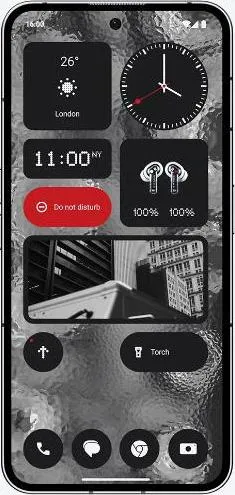
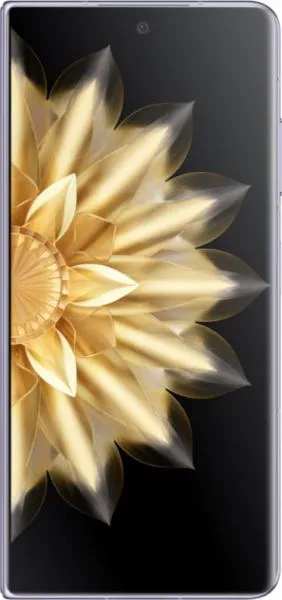
| Dimensions | Design | 162.1 x 76.4 x 8.6 mm | 156.7 x 145.4 x 4.7 mm (folded) | The Magic V2 is significantly more compact when folded, enhancing portability, but much larger unfolded. The Phone (2) is thinner overall. |
| Weight | Design | 201.2 g | 231 g | The Magic V2 is noticeably heavier, potentially impacting one-handed use. |
| Foldable | Design | No | Yes | The Magic V2 offers a larger, tablet-like inner display for multitasking and media consumption, but added complexity and potential durability concerns. |
| Display Size | Display | 6.7" | 7.92" (inner), ~6.4" (outer) | Magic V2's larger inner display provides a more immersive experience, while its outer display offers convenient one-handed usability. |
| Display Type | Display | LTPO OLED, 1B colors, 120Hz, HDR10+ | Foldable LTPO OLED, 1B colors, 120Hz, HDR10+, IMAX Enhanced | Both offer excellent displays with smooth refresh rates and vibrant colors. IMAX Enhanced on the Magic V2 may offer slightly improved visual quality for compatible content. |
| Peak Brightness | Display | 1600 nits | 1600 nits | Both offer excellent outdoor visibility. |
| Resolution | Display | 1080 x 2412 | 2156 x 2344 (inner), 2376x1060 (outer) | The Magic V2 boasts a much sharper inner display for detailed content. The outer display is also sharper than the Phone (2). |
| Chipset | Performance | Snapdragon 8+ Gen 1 | Snapdragon 8 Gen 2 | The Magic V2 has a newer, slightly more powerful and efficient chipset, resulting in better performance and potentially longer battery life. |
| RAM | Performance | 12GB | 16GB | The Magic V2 offers more RAM, enabling better multitasking and smoother performance with demanding applications. |
| Storage | Performance | 256/512GB | 512GB | Magic V2 offers only a high storage option, while the Phone (2) offers more flexibility. |
| Battery Capacity | Battery | 4700 mAh | 5000 mAh | The Magic V2 has a larger battery, potentially offering longer battery life. This is crucial considering the power demands of its larger, foldable display. |
| OS Max Version | Software | Android 16 | Android 14 | The Phone (2) is promised longer software support, a significant advantage for long-term use. |
2. Key Differences Analysis
Nothing Phone (2) Advantages:
- Lower Price: Expected to be more affordable.
- Lighter and Thinner: More comfortable for extended use and pocket-friendly.
- Longer Software Support: Guaranteed updates to Android 16.
Honor Magic V2 Advantages:
- Foldable Display: Offers a larger screen real estate for productivity and entertainment.
- More Powerful Chipset and More RAM: Provides superior performance for demanding tasks and multitasking.
- Larger Battery: Potentially longer battery life.
3. User Profiles & Recommendations
Nothing Phone (2): Ideal for users seeking a stylish, well-rounded smartphone with a good balance of performance, features, and price. Best for users prioritizing software updates, a lightweight design and one-handed usability.
Honor Magic V2: Best suited for power users and early adopters who value a cutting-edge foldable design, top-tier performance, and a large, immersive display. Ideal for multitasking, media consumption, and those wanting the latest technology.
4. Decision Framework
Key Questions:
- Budget: Is a high-end price justifiable for the foldable form factor?
- Priority Features: Is a larger, foldable screen or a lighter, more pocketable phone more important?
- Software Longevity: How important are long-term software updates?
Scenario-Based Recommendations:
- Limited Budget, Value-Oriented: Nothing Phone (2)
- Power User, Early Adopter: Honor Magic V2
- Focus on Long-Term Use and Software Updates: Nothing Phone (2)
My Choice: Nothing Phone (2)
While the Honor Magic V2 is undeniably impressive with its foldable display and powerful specs, the Nothing Phone (2)'s longer software support, lighter weight, and lower expected price make it a more compelling choice for me. I prioritize long-term usability and value, and the commitment to Android 16 updates gives the Phone (2) a significant advantage in this regard. The weight difference is also substantial, and I prefer a lighter phone for daily use. While the folding screen is appealing, it comes with a significant price premium and potential durability concerns that I am not willing to compromise on. The performance difference between the two chipsets is likely negligible for my usage.
